
Best Time to Visit
Best Time to Visit Canada (2026 Month-by-Month Guide)
Rockies hiking windows, fall colour timing, ski season, and when roads actually reopen.
Overview
Canada is massive, and timing your trip correctly means picking your poison – or your paradise. For general touring, I'd pinpoint early to mid - September as the sweet spot. You'll catch fall foliage starting in the east, the brutal summer crowds have thinned by 30 - 40% in national parks like Banff, and prices for hotels and campervans drop by at least 20% compared to August. You're also past the worst of the summer wildfire season in the west, though always check local conditions. If you're chasing snow, mid - February is ideal for skiing with fresh powder and slightly fewer school holiday crowds than January.
Climate at a glance
Canada's climate is dominated by its immense size and latitudinal spread. The Pacific coast (Vancouver, Victoria) experiences mild, wet winters and warm, dry summers, moderated by the Pacific Ocean. Inland, the Rocky Mountains create rain shadows, leading to drier conditions in Alberta. The Prairies (Saskatchewan, Manitoba) have extreme continental climates: scorching summers and frigid winters. Eastern Canada (Ontario, Quebec, Maritimes) sees four distinct seasons, with humid summers and cold, snowy winters influenced by the Great Lakes and Atlantic. The Arctic north, as expected, endures long, bitter winters and short, cool summers. Elevation plays a huge role; expect rapid weather changes in mountain ranges.
Best windows
- Early Fall Foliage & Moderate Crowds — Early to mid - September. The glorious fall colours begin to emerge, especially in Eastern Canada, while summer crowds have largely dispersed. Temperatures are still pleasant for outdoor activities, and accommodation prices dip after peak season.
- Prime Ski Season & Winter Festivals — Mid - February to early March. Reliable snowpack in the Rockies and Quebec, fewer crowds than the Christmas/New Year rush, and a vibrant calendar of winter festivals, particularly the Quebec Winter Carnival.
- Spring Blooms & City Exploration — Late May to early June. Cities like Vancouver and Toronto are in full bloom, and the weather is warm enough for sightseeing without the intense summer heat or peak tourist prices. National parks in the Rockies are still thawing, but lower elevations are accessible.
Shoulder sweet spots
- Late Spring Blossom & Pre - Summer Rates — Mid - May. The Rockies are still patchy, but cities like Vancouver and Montreal are vibrant, and you'll find pre - peak prices. Hiking trails at lower elevations begin to open.
- Late Fall Colours & Wildlife Spotting — Late October. Eastern Canada's fall colours are at their peak, and wildlife such as bears are active before hibernation. Many tourist services begin to close, so plan carefully.
- Early Winter Sports & Christmas Markets — Early December. Ski resorts open, often with early - season deals, and major cities host festive Christmas markets. It's cold, but the festive atmosphere is palpable.
When to avoid
- Peak Summer & Wildfire Season — July and August. The absolute busiest time. National parks are swamped, prices are exorbitant, and western Canada is prone to severe wildfire smoke, impacting air quality and visibility.
- Mud Season/Thaw — Late April to early May. Many hiking trails, especially in the Rockies, are a muddy, snowy mess. Lakes are still frozen, and the weather is unpredictable. It's an awkward transition.
- Deep Winter in Prairies/Arctic — December to February. Unless you're chasing extreme winter sports or the Northern Lights, these months bring brutally cold temperatures (often -30°C to -40°C in the Prairies), limited daylight, and many seasonal closures.
Month by month
| Month | Weather | Crowds | Prices | Notes |
|---|---|---|---|---|
| January | Bitterly cold nationwide. Vancouver: 6°C/1°C, 150mm rain. Toronto: -1°C/-8°C, 60cm snow. Banff: -5°C/-15°C, 30cm snow. | Low, except for ski resorts during school holidays (early Jan). | Medium — mid - range hotels in Toronto CA$180–280 (US$130–200)/night; ski resorts CA$300–600/night; domestic flights CA$150–250 one - way. | Peak ski season begins after New Year's rush. Ice Magic Festival in Lake Louise (late Jan). |
| February | Still very cold, but days are lengthening. Vancouver: 8°C/2°C, 120mm rain. Toronto: 0°C/-7°C, 40cm snow. Banff: -3°C/-14°C, 25cm snow. | Medium – ski resorts remain busy, but less frenetic than Dec/Jan. | Medium — mid - range hotels in Montreal CA$170–270 (US$125–195)/night; ski passes CA$120–180/day. | Quebec Winter Carnival (early Feb), North America's largest winter festival, spikes Quebec City hotel prices. |
| March | Transition month; still cold with snow. Vancouver: 10°C/3°C, 100mm rain. Toronto: 4°C/-3°C, 20cm snow. Banff: 0°C/-10°C, 20cm snow. | Medium – spring break for some, but general tourist crowds low. | Low to Medium — mid - range hotels in Calgary CA$160–260 (US$115–190)/night; car hire CA$50–80/day. | Sugar shack season in Quebec. Whistler Blackcomb extends its ski season into late spring. |
| April | Spring thaw, highly variable. Vancouver: 13°C/5°C, 70mm rain. Toronto: 11°C/3°C, 80mm rain. Banff: 5°C/-5°C, 10cm snow. | Low – 'mud season' in many natural areas. | Low — mid - range hotels in Ottawa CA$150–240 (US$110–175)/night. | Cherry blossoms bloom in Vancouver and Victoria (late April), drawing local crowds. Many hiking trails still closed or very wet. |
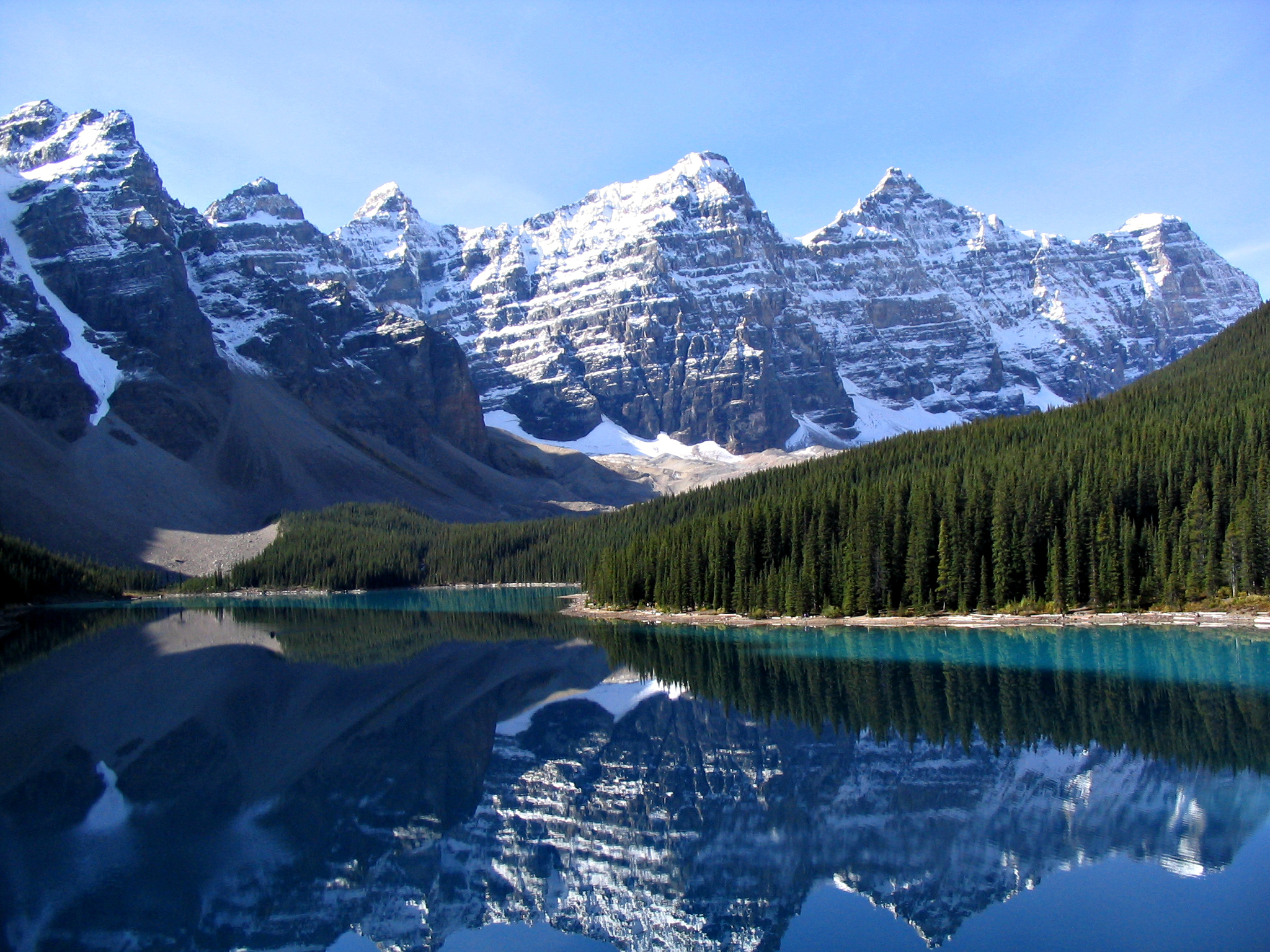
| May | Pleasant, warming. Vancouver: 17°C/8°C, 50mm rain. Toronto: 19°C/8°C, 80mm rain. Banff: 10°C/0°C, 5cm snow. | Medium – increasing, especially towards month - end long weekends. | Medium — mid - range hotels in Vancouver CA$220–350 (US$160–255)/night; campervan hire CA$120–200/day. | Victoria Day long weekend (mid - May) sees domestic travel spikes. Lakes in the Rockies begin to thaw and turn turquoise. Provincial parks open for camping. |
| June | Warm and generally dry. Vancouver: 20°C/11°C, 40mm rain. Toronto: 24°C/14°C, 70mm rain. Banff: 17°C/4°C, 60mm rain. | High – summer season begins, especially after school holidays start. | High — mid - range hotels in Jasper CA$280–450 (US$205–330)/night; national park entry fees CA$20/day. | Canada Day (July 1st) preparations begin, often with festivals. Whale watching season kicks off in both Pacific and Atlantic. Black bear cubs emerge. |
| July | Hot, especially inland. Vancouver: 22°C/13°C, 30mm rain. Toronto: 27°C/17°C, 70mm rain. Banff: 22°C/7°C, 50mm rain. | Peak – national parks, major cities, and coastal areas are at maximum capacity. | Peak — mid - range hotels in Banff CA$350–600 (US$255–440)/night; domestic flights CA$300–500 one - way. | Canada Day (July 1st) celebrations are widespread. Folk festivals and outdoor concerts abound. Wildfire season begins in earnest in the west. |
| August | Warmest month, risk of heatwaves and smoke. Vancouver: 23°C/14°C, 30mm rain. Toronto: 26°C/17°C, 70mm rain. Banff: 21°C/6°C, 40mm rain. | Peak – continues from July, particularly family travelers before school starts. | Peak — mid - range hotels in Niagara Falls CA$320–550 (US$235–400)/night; car rental CA$90–150/day. | Calgary Stampede (early July) affects accommodation into August. Many provincial exhibitions and fairs. Salmon runs begin in some rivers, attracting bears. |
| September | Cooling, beautiful fall colours. Vancouver: 19°C/10°C, 50mm rain. Toronto: 21°C/12°C, 80mm rain. Banff: 16°C/3°C, 40mm rain. | Medium – significantly lower than summer, but still busy in popular fall foliage areas. | Medium — mid - range hotels in Quebec City CA$200–320 (US$145–235)/night; VIA Rail long - distance CA$150–300. | Peak fall foliage in Eastern Canada (late Sept). Banff and Jasper remain popular. Thanksgiving (mid - Oct) bookings begin. |
| October | Crisp, cool, increasing rain/snow. Vancouver: 14°C/7°C, 110mm rain. Toronto: 14°C/6°C, 80mm rain. Banff: 9°C/-2°C, 30mm snow. | Low – except for specific fall events or early ski resort openings. | Low — mid - range hotels in Halifax CA$140–230 (US$100–165)/night. | Thanksgiving (early Oct) long weekend is busy. Many seasonal attractions close by mid - month. Western ski resorts typically open late Oct/early Nov. |
| November | Cold, wet, first significant snowfalls. Vancouver: 9°C/4°C, 180mm rain. Toronto: 7°C/1°C, 10cm snow. Banff: 0°C/-9°C, 20cm snow. | Low – quietest month for general tourism. | Low — mid - range hotels in Winnipeg CA$130–200 (US$95–145)/night. | Remembrance Day (Nov 11) is a public holiday. Early season skiing in the Rockies and Quebec starts. Montreal weather in November is chilly but rarely extreme. |
| December | Deep winter sets in. Vancouver: 7°C/2°C, 170mm rain/snow. Toronto: 1°C/-4°C, 30cm snow. Banff: -4°C/-13°C, 30cm snow. | Medium – Christmas/New Year's holidays spike crowds at ski resorts and major cities. | Medium to Peak — mid - range hotels in Whistler CA$350–800 (US$255–585)/night (Christmas week); domestic flights CA$200–400 one - way. | Christmas markets in Montreal, Toronto, and Quebec City. Northern Lights viewing opportunities increase in Yukon and Northwest Territories. |
Festivals & events to plan around
- Quebec Winter Carnival (early Feb) — North America's largest winter festival, transforming Quebec City into a snowy playground, booking essential.
- Victoria Day Long Weekend (mid - May) — A national holiday, expect domestic travel spikes, especially to popular tourist areas and campgrounds.
- Canada Day (July 1st) — National holiday with celebrations, fireworks, and events across the country; major cities are very busy.
- Calgary Stampede (early - mid July) — 'The Greatest Outdoor Show on Earth' draws huge crowds to Calgary for rodeo, concerts, and exhibitions.
- Fringe Festivals (July–August) — Independent theatre festivals in cities like Edmonton, Winnipeg, and Toronto, offering diverse performances.
- Whale Watching Season (June–October) — Prime viewing for orcas, humpbacks, and grey whales on both coasts, particularly Vancouver Island and the Maritimes.
- Fall Foliage (late Sept–Oct) — Eastern Canada (Ontario, Quebec, Maritimes) explodes with vibrant autumn colours; peak viewing varies by latitude and year.
- Thanksgiving (early Oct) — A public holiday, expect closures and domestic travel surges, similar to Victoria Day.
- Northern Lights (Sept–April) — Best viewed in the Yukon, Northwest Territories, and Nunavut on clear, dark nights; tours operate from Whitehorse and Yellowknife.
What to pack (by season)
- January (Rockies): Heavy - duty insulated parka, thermal base layers, waterproof snow pants, insulated boots, thick gloves, and a balaclava. Think Arctic expedition gear.
- May (Eastern Cities): Layered clothing – light jacket for evenings, sweaters, long - sleeved shirts. Comfortable walking shoes and a compact umbrella.
- July (National Parks): Breathable hiking gear, sturdy boots, wide - brimmed hat, sunglasses, bug spray, and a light rain jacket. Bear spray for backcountry trips (know how to use it!).
- September (Eastern Canada): Medium - weight jacket, sweaters for cool evenings, long pants. Camera for fall colours. A light scarf for crisp mornings.
- November (Pacific Coast): Waterproof and windproof outer shell, warm layers underneath, waterproof walking shoes or boots, and an umbrella. It's often wet.
- December (Cities): Warm winter coat, wool scarf, gloves, warm hat, and waterproof boots with good grip for snow and ice. Layers are key for indoor/outdoor transitions.
Timing tips
- Book summer national park accommodation and popular rail routes (e.g., VIA Rail's 'The Canadian') 6 - 12 months in advance. Campsites often book out within minutes of release.
- Domestic flights within Canada are notoriously expensive. Consider flying into one major hub (e.g., Toronto) and out of another (e.g., Vancouver) to save time, or focus on a single region for a shorter trip to minimize internal travel costs.
- If visiting the Rockies in shoulder season (May, October), be prepared for mixed conditions. Higher elevation trails might still have snow and ice, while lower ones are muddy. Always check Parks Canada trail reports.
- Wildfire season, typically July to September in Western Canada, can cause significant air quality issues and even park closures. Monitor local news and Environment Canada advisories, especially if you have respiratory sensitivities.
- Renting a car is almost essential for exploring outside major cities, particularly in the Rockies or for the Cabot Trail. Book well in advance, especially for SUVs or 4x4s in winter, and compare rates for car rental abroad.
- Consider provincial parks for camping and outdoor activities. They often offer a more affordable and less crowded experience than national parks, especially in peak season.
- The 'mud season' (late April - early May) is a real phenomenon in many outdoor areas. Embrace city breaks during this time, or head to the coast where spring arrives earlier.
- If you're interested in indigenous cultural experiences, research festivals and events that align with your travel dates. Many are held during summer months.
FAQs
What is the cheapest month to fly to Canada?
Generally, November and late January to early March offer the lowest flight prices, outside of major holiday weekends. You can often find round - trip flights from Europe or the US for under CA$700 (US$500), but expect colder weather.When is Canada's summer?
Canadian summer officially runs from June 21st to September 22nd. July and August are the warmest months, with average daily temperatures ranging from 20 - 25°C (68 - 77°F) in most populated areas, often hitting 30°C+ (86°F+) inland.What's the best time for national parks like Banff?
For hiking and full accessibility, late June to mid - September is ideal. If you want to avoid peak crowds and get slightly better accommodation prices, aim for early September. Lakes are usually fully thawed by late June.When can I see the Northern Lights in Canada?
The best time for Northern Lights viewing is from late September to April, particularly in northern regions like the Yukon and Northwest Territories. You need clear, dark nights, and trips often run from 9 PM to 3 AM.When is fall foliage best in Eastern Canada?
Peak fall foliage in Eastern Canada (Ontario, Quebec, Maritimes) typically occurs from late September to mid - October. The exact timing varies by year and latitude, but the last week of September into the first week of October is a safe bet for vibrant colours.How bad are Canadian winters?
Canadian winters vary drastically. In Vancouver, it's mild with average lows of 1°C (34°F). In Toronto, expect -8°C (18°F) with snow. In the Prairies or Arctic, expect sustained periods of -25°C to -40°C (-13°F to -40°F) from December to February. Bundle up!When do ski resorts open and close?
Most major ski resorts in the Rockies (e.g., Whistler, Banff, Lake Louise) typically open in mid - November and can stay open until late April or even early May, depending on snow conditions. Quebec resorts generally operate from early December to late March/early April.Is May a good time to visit Canada?
May is a mixed bag. In cities like Vancouver and Toronto, it's a lovely spring month with average highs around 17 - 19°C (63 - 66°F). However, mountain regions are often in 'mud season' with melting snow and limited trail access, so plan accordingly.


