
Best Time to Visit
Best Time to Visit Norway (2026 Month-by-Month Guide)
Midnight sun, aurora season, fjord ferry schedules, and when mountain roads reopen.
Overview
If you want long days, accessible hiking, and vibrant city life, late June to early August wins for Norway, hands down. But if the ethereal dance of the Northern Lights is your primary quest, then the colder, darker months of mid - October to early March are your undisputed champions, especially north of the Arctic Circle. Forget generic 'summer' or 'winter' advice; Norway's diverse climate demands precision, with a July road trip through the fjords offering an entirely different experience—and budget—than chasing aurora in a frozen Tromsø.
Climate at a glance
Norway's climate is far milder than its latitude suggests, thanks to the Gulf Stream which funnels warm Atlantic water along its lengthy coastline. This maritime influence means coastal areas, particularly in the south and west (Bergen, Stavanger), experience milder winters and more rainfall than inland or eastern regions (Oslo, Lillehammer). North of the Arctic Circle (Tromsø, Lofoten), winters are long, dark, and cold, but still moderated by the ocean. Summers are short and relatively cool throughout the country, with average July temperatures rarely exceeding 20°C (68°F). Precipitation is distributed year - round, but the west coast sees significantly more rain, particularly in autumn and winter, while eastern valleys are drier and experience more continental temperature swings. The Arctic region experiences midnight sun in summer and polar night in winter, profoundly impacting travel conditions and activities.
Best windows
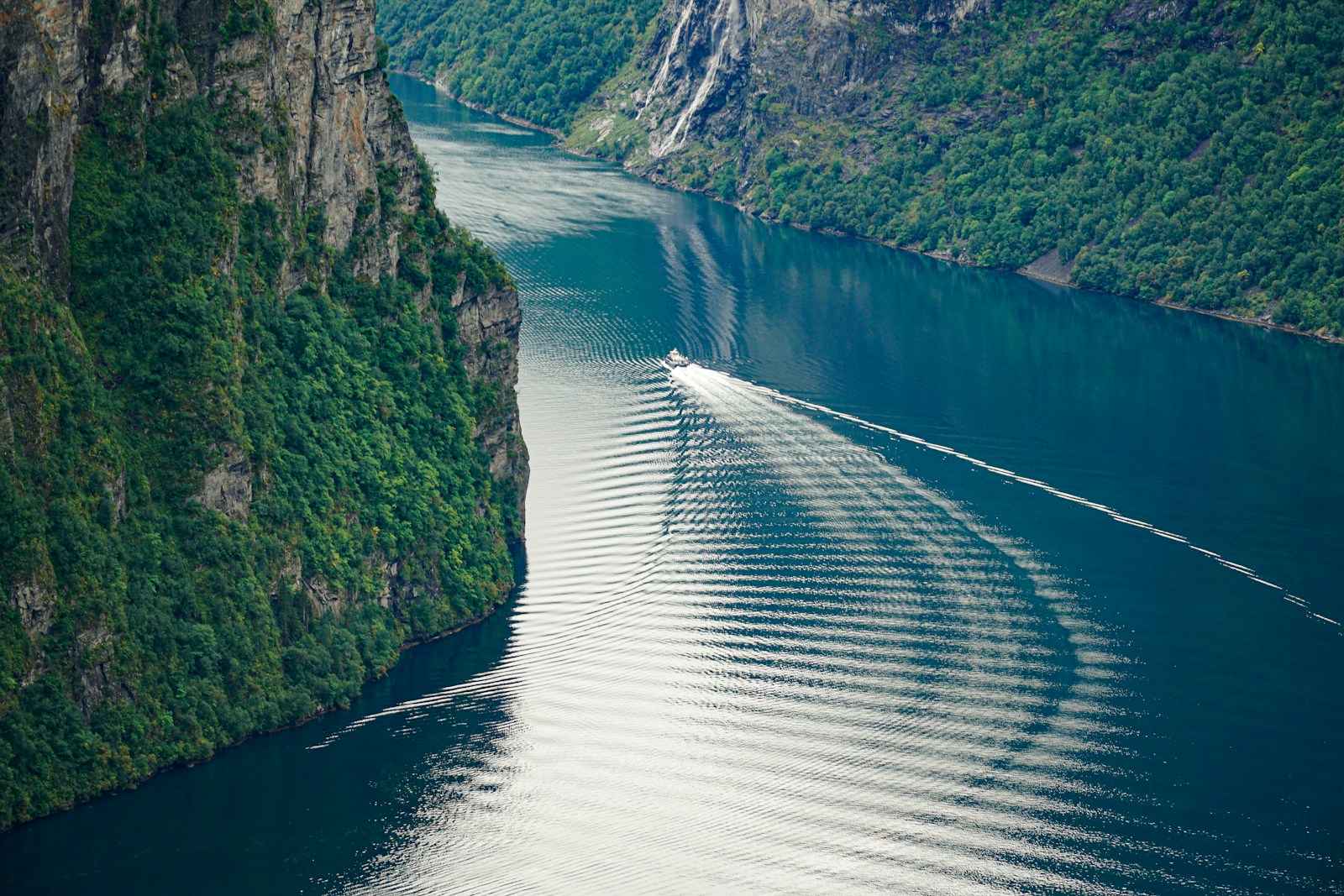
- Summer for Fjords & Hiking — Late June to early August. This is peak season for a reason: stable weather, long daylight hours (midnight sun in the north), and full accessibility to hiking trails, fjord cruises, and scenic roads like the Atlantic Ocean Road. Average temperatures hover around 15 - 20°C in the south, perfect for outdoor adventures.
- Northern Lights & Winter Activities — Mid - October to early March. For the best chance to witness the Aurora Borealis, head north of the Arctic Circle. The long, dark nights and clear skies create ideal viewing conditions. This period also offers excellent skiing, dog sledding, and snowmobiling opportunities across the country.
Shoulder sweet spots
- Spring Bloom & Fewer Crowds — Late May to mid - June. Enjoy the spring thaw, blossoming fruit trees in Hardangerfjord, and still - snow - capped peaks without the peak - season crowds. Many hiking trails are opening, and accommodation prices are slightly lower than July/August. Southern Norway sees pleasant temperatures of 10 - 15°C.
- Autumn Colours & Early Aurora — Mid - September to early October. The landscapes burst with vibrant autumn foliage, especially in inland regions and the mountains. North of the Arctic Circle, the aurora season is just beginning, offering a chance to see the lights before the deep winter chill sets in. Hiking is still good in many areas, but prepare for cooler, shorter days.
When to avoid
- Deep Winter in the South — Late November to January. Unless you're solely focused on urban winter breaks or specific Christmas markets, southern Norway during this period can be grey, wet, and dark with limited outdoor activity options outside of ski resorts. Many smaller attractions close for the season, and driving conditions can be challenging.
- Early Spring in the North — Late March to late April. This is often a 'shoulder within a shoulder' for the Arctic. The polar night is over, but snowmelt makes conditions slushy and less ideal for crisp winter activities, while it's still too early for summer hiking. Many tour operators are winding down winter offerings before reopening for summer.
Month by month
| Month | Weather | Crowds | Prices | Notes |
|---|---|---|---|---|
| Jan | Cold, snowy in north, wet/cold in south. Oslo: 0°C/-7°C, 40mm snow. Tromsø: -1°C/-6°C, 100mm snow. Polar night in Arctic. | Low, except for popular ski resorts (Hafjell, Trysil) and Northern Lights hubs (Tromsø). | Medium — mid - range hotels NOK 1200–2000 (US$110–180)/night; Northern Lights tours NOK 1500–2500 (US$140–230). | Optimal month for Northern Lights viewing in the Arctic. Ski season in full swing across mountain regions. |
| Feb | Very cold, dry snow in mountains. Oslo: 0°C/-7°C, 30mm snow. Bergen: 4°C/0°C, 150mm rain. Sun returns to Arctic. | Medium, especially during winter holidays (e.g., Vinterferie late Feb/early Mar). | Medium - High — mid - range hotels NOK 1300–2200 (US$120–200)/night; car rental NOK 600–900 (US$55–85)/day. | Excellent for winter sports and Northern Lights. Sámi Week (early Feb) in Tromsø. |
| Mar | Gradual warming, still cold. Oslo: 4°C/-3°C, 30mm rain/snow. Lofoten: 2°C/-2°C, 60mm rain/snow. | Medium, but generally easing after winter holidays. Some ski resorts remain busy. | Medium — mid - range hotels NOK 1100–1800 (US$100–165)/night; express boat Bergen - Flåm NOK 1000–1300 (US$90–120). | Transition month: last chance for solid Northern Lights, but longer days and increasing daylight. Arctic Cod fishing season peaks in Lofoten. |
| Apr | Spring thaw, variable. Oslo: 10°C/2°C, 40mm rain. Trondheim: 7°C/0°C, 50mm rain. | Low, except around Easter (varies late March/April). | Low - Medium — mid - range hotels NOK 1000–1600 (US$90–145)/night; domestic flights NOK 700–1200 (US$65–110) one - way. | Mountain roads often closed until May. Fruit tree bloom begins in Hardangerfjord region late in the month. |
| May | Pleasant, warmer. Oslo: 16°C/7°C, 50mm rain. Bergen: 13°C/6°C, 80mm rain. | Medium, picking up towards end of month, especially around National Day. | Medium — mid - range hotels NOK 1200–1900 (US$110–175)/night; scenic railway Flåm - Myrdal NOK 500–700 (US$45–65). | Syttende Mai (May 17th) is a nationwide celebration with parades. |
| Jun | Mild, long daylight. Oslo: 20°C/11°C, 60mm rain. Lofoten: 14°C/8°C, 50mm rain. Midnight sun in Arctic. | Medium - High, especially towards the end of the month as schools let out. | High — mid - range hotels NOK 1500–2500 (US$140–230)/night; campervan hire NOK 1800–3000 (US$165–275)/day. | Hiking trails become fully accessible. Cruises and ferries operate at full schedule. Summer solstice celebrations. |
| Jul | Warmest month, still mild. Oslo: 22°C/13°C, 80mm rain. Geirangerfjord: 18°C/10°C, 90mm rain. | Peak — highest tourist numbers across all popular regions. | Peak — mid - range hotels NOK 1800–3500 (US$165–320)/night; domestic flights NOK 1000–2000 (US$90–180) one - way. | Ideal for fjord cruises and mountain hiking. Oslo Jazz Festival (mid - July). |
| Aug | Mild, trending cooler. Oslo: 20°C/12°C, 90mm rain. North Cape: 10°C/7°C, 80mm rain. | High, easing towards end of month as European holidays conclude. | High — mid - range hotels NOK 1600–3000 (US$145–275)/night; fjord cruise Geiranger NOK 700–1000 (US$65–90). | Still excellent for outdoor activities. Berry picking season in forests and mountains. Bergen International Festival (late Aug/early Sep). |
| Sep | Cooler, autumn colours. Oslo: 15°C/8°C, 80mm rain. Stavanger: 14°C/9°C, 120mm rain. | Medium, significantly reduced from summer peak. | Medium — mid - range hotels NOK 1200–2000 (US$110–180)/night; Hurtigruten Bergen - Kirkenes (full) NOK 15000 - 30000 (US$1375 - 2750) per person. | Beautiful autumn foliage, especially in inland and eastern Norway. Northern Lights season truly begins in the Arctic. |
| Oct | Cold, wet. Oslo: 9°C/4°C, 80mm rain. Tromsø: 2°C/-2°C, 80mm rain/snow. | Low, except for early Northern Lights tourists in the north. | Low - Medium — mid - range hotels NOK 1000–1700 (US$90–155)/night; domestic flights NOK 600–1000 (US$55–90) one - way. | Many smaller tourist attractions and mountain roads close for the season. First snow in higher elevations. |
| Nov | Cold, dark. Oslo: 3°C/-2°C, 60mm rain/snow. Kirkenes: -4°C/-9°C, 50mm snow. Polar night returning. | Low, except for early Christmas markets in major cities. | Low — mid - range hotels NOK 900–1500 (US$80–135)/night; dog sledding tour Tromsø NOK 1800–2800 (US$165–255). | Good for Northern Lights if skies are clear. Whale watching season (humpback, orca) kicks off in Arctic fjords (e.g., Skjervøy). |
| Dec | Very cold, dark. Oslo: 0°C/-5°C, 50mm snow. Svalbard: -13°C/-18°C, 20mm snow. Polar night in Arctic. | Medium, around Christmas/New Year, especially in cities and ski resorts. | Medium - High — mid - range hotels NOK 1300–2200 (US$120–200)/night; Christmas market trips NOK 500–800 (US$45–75). | Christmas markets in Oslo and Bergen. Festive atmosphere in cities. Deep winter sports conditions. |
Festivals & events to plan around
- Sámi Week (early Feb, Tromsø) — A celebration of indigenous Sámi culture with markets, concerts, and reindeer races, profoundly impacting hotel availability in Tromsø.
- Easter (late March/April, variable) — A major holiday in Norway; many locals head to ski cabins, meaning city centers are quieter but ski resorts are packed and pricier.
- Syttende Mai (May 17th, nationwide) — Norway's Constitution Day sees parades, folk costumes, and festivities everywhere. Plan transport and accommodation well in advance, especially in cities like Oslo and Bergen.
- Midnight Sun (late May–late July, Arctic Norway) — North of the Arctic Circle, the sun never sets. This enables 24 - hour activities but can make sleeping challenging for some.
- Oslo Jazz Festival (mid - August, Oslo) — A popular urban festival that brings significant crowds and higher hotel demand to the capital.
- Autumn Foliage (Sept–Oct, inland/mountain regions) — Peak season for vibrant red and yellow colours, especially stunning along scenic drives and hiking trails. Expect specific scenic routes to be busier.
- Northern Lights Season (mid - Sept–mid - March, Arctic Norway) — The optimal period for aurora viewing. Dedicated tours and clear weather windows are crucial for success.
- Whale Watching Season (Nov–Jan, Arctic Fjords like Skjervøy/Andenes) — Humpback and killer whales follow herring into the fjords, making this the best time for boat tours, but conditions can be rough.
What to pack (by season)
- January (Arctic): Expedition - grade down parka, wool base layers, insulated waterproof boots, thick gloves, and a balaclava. Don't skimp on warmth for Northern Lights viewing.
- April (South): Layered waterproof jacket, sturdy walking shoes, lighter wool sweaters, and a small umbrella. Expect anything from crisp spring days to sudden rain showers.
- July (Fjords): Quick - dry hiking clothes, light waterproof jacket, sturdy hiking boots, sunglasses, insect repellent (especially near lakes), and a sleep mask for the midnight sun.
- September (Mountains): Thermal base layers, fleece mid - layer, waterproof and windproof outer shell, hiking boots, warm hat and gloves, even if you’re only planning day hikes. Weather can change quickly at altitude.
- November (Arctic Coast): Heavy - duty waterproof and windproof jacket and trousers, insulated layers, waterproof boots, and maritime - grade gloves. Coastal trips can be very exposed and wet.
Timing tips
- Book popular Hurtigruten cruises or scenic railway tickets (like the Flåm Railway) 6 - 12 months in advance for summer travel, especially for specific cabin types or departure times. Spontaneous bookings are rarely an option for these iconic routes.
- Consider booking accommodation at least 3 - 6 months ahead for peak summer (July) and major festival dates (May 17th) in popular areas like the Lofoten Islands, Bergen, and Geirangerfjord. Prices can jump by 30 - 50% for last - minute bookings.
- Domestic flights within Norway, particularly to Arctic destinations, operate less frequently and fill up faster in winter (Northern Lights season). Book these 4 - 6 months out for the best prices; waiting can double or triple costs, as I've personally seen fares skyrocket.
- Road closures due to snow are common in mountainous regions from October/November through May/June. Always check Statens Vegvesen (Norwegian Public Roads Administration) for current conditions before planning scenic drives.
- If your primary goal is hiking, aim for July to mid - September. Earlier than July, many higher - altitude trails will still be snow - covered and inaccessible; later than September, weather becomes unpredictable with early snow possible.
- Visiting during Norwegian school holidays (Vinterferie in Feb/March, Påske (Easter) in March/April, and summer holidays mid - June to mid - August) means increased domestic tourism, leading to busier attractions and higher prices for family - friendly lodging.
- For budget travel, consider shoulder seasons (May - early June or September - early October). You'll find better deals on hotels and car rentals, and attractions are less crowded, though some services might have reduced hours.
- If visiting the Arctic in winter, factor in limited daylight hours. While this is essential for Northern Lights, it means shorter periods for other outdoor activities. Plan your days accordingly, often with a later start and early finish for daytime excursions.
FAQs
What is the absolute best month for the Northern Lights in Norway?
February offers the highest probability of clear, dark skies, excellent snow conditions for winter activities, and average temperatures around -1°C to -6°C in Tromsø. While lights can be seen from September to March, February combines optimal viewing with better winter activity access.When is the cheapest time to visit Norway?
November and April are typically the cheapest months. You can find mid - range hotels for NOK 900 - 1500 (US$80 - 135) per night. This is outside the main summer and winter peaks, though some attractions may be closed or have reduced hours.When can I see the Midnight Sun?
North of the Arctic Circle, the Midnight Sun is visible from late May to late July. In Bodø, it's from June 4th to July 8th, while in North Cape, it shines from May 14th to July 29th. Expect 24 hours of daylight during these windows.Is hiking accessible in May?
In May, lower - altitude coastal and fjord trails in Southern Norway are generally open and pleasant, with temperatures around 10 - 15°C. However, higher mountain trails, including popular ones like Trolltunga or Preikestolen, are often still snow - covered and require specialist gear or remain closed until June.When are the fjords busiest?
The Norwegian fjords experience peak crowds from mid - June to mid - August. July is the absolute busiest month, with major tourist spots like Geirangerfjord seeing thousands of visitors daily. Book all tours and transport well in advance.What's the weather like in Norway in October?
October is generally cold and wet, especially in the south and west, with Oslo averaging 9°C/4°C and 80mm of rain. In the Arctic, snow begins to fall, and temperatures drop below freezing, around 2°C/-2°C in Tromsø, making it a transitional month for winter activities.When is whale watching best in Norway?
For humpback and killer whales in the Arctic fjords (like Skjervøy), November to January is prime. This is when they follow herring into sheltered waters. Water temperatures are typically around 2 - 5°C, requiring warm, waterproof clothing for boat trips.Are roads open year-round?
No. Many scenic mountain roads, like Trollstigen and the Atlantic Ocean Road, close due to snow and ice from late October/November through late April/May. Always verify road status before planning a driving trip, particularly outside of peak summer.


