
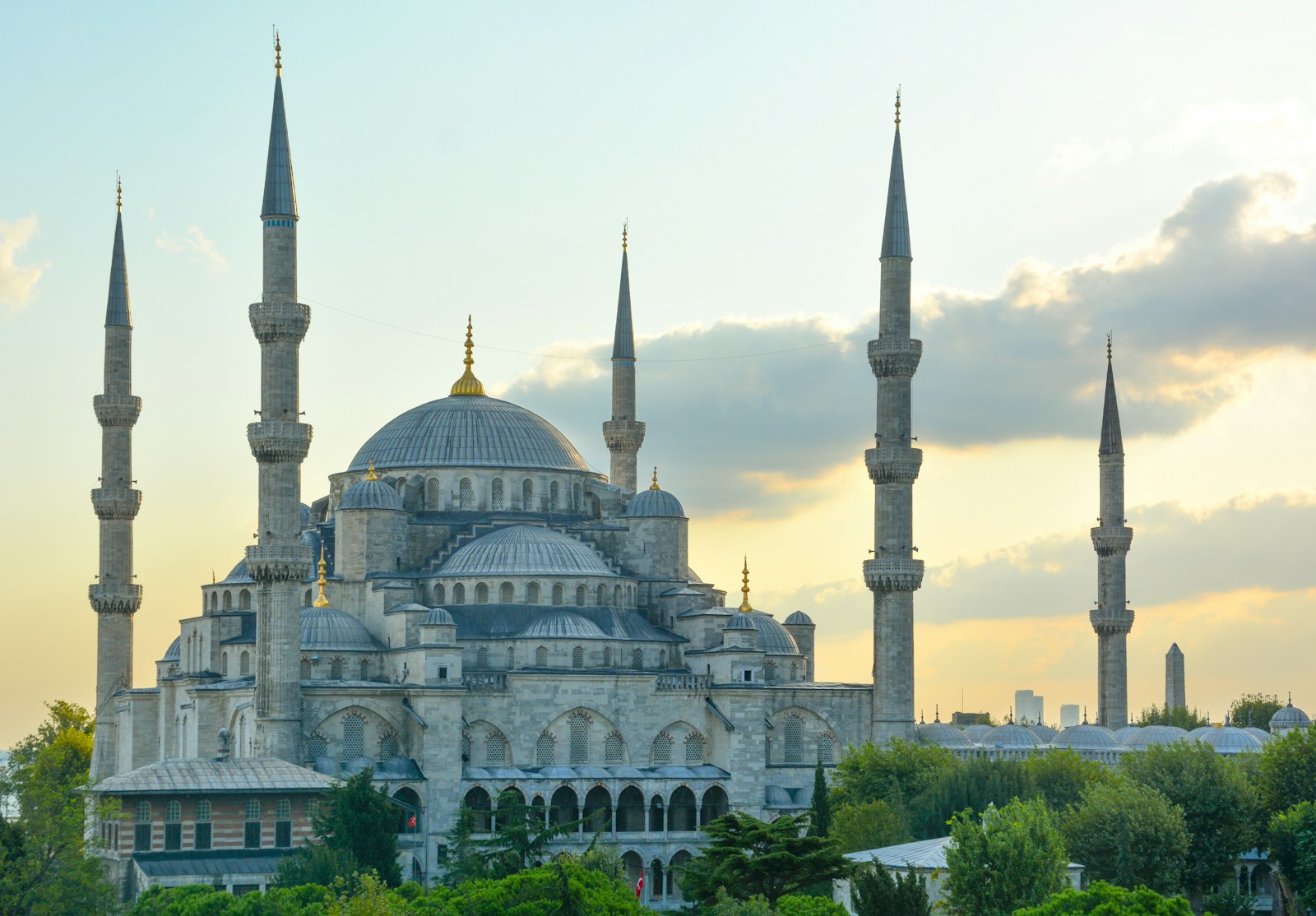
Best Time to Visit
Best Time to Visit Turkey (2026 Month-by-Month Guide)
Istanbul shoulder weeks, Cappadocia balloon-cancellation months, and the coast’s swim season.
Overview
Forget generic advice; for Turkey, your sweet spot for hitting the historical sites without dissolving into a puddle of sweat, and swimming in the Aegean without freezing, is squarely in late April to early June. This window nets you comfortable temperatures across the country, blooming landscapes in Cappadocia, and sea temperatures perfect for a dip on the Turquoise Coast. You’ll sidestep the suffocating heat and peak crowds of July and August, meaning better deals on hotels and fewer jostling elbows at Hagia Sophia. If you’re a shrewd traveler looking to optimize a 10 - day Turkey itinerary, this is your time.
Climate at a glance
Turkey is a land of regional extremes, not a monolithic climate. The coastal areas, particularly the Aegean and Mediterranean, enjoy a classic Mediterranean climate: hot, dry summers and mild, wet winters. Expect temperatures to soar above 30°C (86°F) from June to September along these coasts, with very little rain. Inland, the Anatolian plateau, home to Cappadocia and Ankara, experiences a continental climate with hot, dry summers and distinctly cold, snowy winters. Here, summer highs can hit 35°C (95°F) but plummet to -5°C (23°F) in winter, often with significant snowfall. Istanbul, bridging Europe and Asia, has a transitional climate – milder than inland but more humid than the Mediterranean coast, with hot, humid summers and cool, damp winters. The Black Sea coast is unique, featuring a more temperate oceanic climate with year - round rainfall and milder temperature swings.
Best windows
- Spring Blooms & Mild Coasts — Late April to early June. Ideal for exploring ancient sites in pleasant weather, with wildflowers blooming in Cappadocia and comfortable swimming temperatures emerging on the Aegean and Mediterranean coasts. Crowds are manageable, and prices haven't peaked yet.
- Autumnal Hues & Warm Seas — Mid - September to late October. The scorching summer heat has receded, but the sea remains warm enough for swimming. Cappadocia's landscapes are stunning with autumn colors, and the city attractions like those in Istanbul are less crowded than summer.
Shoulder sweet spots
- Early Spring Cultural Dive — Late March to mid - April. Cooler temperatures are excellent for city exploration and historical sites, especially in Istanbul and Ephesus. You'll find lower prices and fewer crowds before the high season truly kicks in, though coastal swimming is still chilly.
- Late Autumn Coastal Retreat — Early November. Enjoy lingering warmth on the Mediterranean coast with deserted beaches and rock - bottom prices. Many inland attractions, like those in Cappadocia, are still accessible, though expect cooler evenings and a higher chance of rain.
When to avoid
- Peak Summer Crowds & Heat — Mid - July to late August. Temperatures on the coast regularly exceed 35°C (95°F), making sightseeing unbearable. Popular sites are packed, and prices for accommodations and flights are at their absolute highest.
- Winter Inland Chill & Closures — December to February. While Istanbul can be charmingly atmospheric, internal Turkey, especially Cappadocia, experiences harsh winters with snow and ice, leading to potential flight cancellations and limited hot air balloon operations. Many coastal businesses close for the season.
Month by month
| Month | Weather | Crowds | Prices | Notes |
|---|---|---|---|---|
| January | Cold, wet in Istanbul; snowy inland. Istanbul: 8°C/3°C, 100mm rain. Cappadocia: 2°C/-7°C, significant snow. Antalya: 15°C/6°C, 220mm rain. | Low – very quiet, especially outside Istanbul. Ski resorts see medium crowds. | Low – mid - range hotels in Istanbul ₺1200–2000 (US$40–65)/night; Cappadocia cave hotels ₺1500–2500 (US$50–80)/night. Flights cheaper, e.g. Istanbul - Cappadocia ₺800 - 1500 (US$25 - 50) one - way. | Whirling Dervishes ceremonies in Konya are popular. Coastal areas are very quiet, many seasonal businesses closed. |
| February | Cold, damp. Istanbul: 9°C/3°C, 80mm rain. Cappadocia: 3°C/-6°C, occasional snow. Antalya: 16°C/6°C, 160mm rain. | Low – still off - season, expect minimal crowds at historical sites and museums. | Low – similar to January, good deals to be found. Hot air balloon rides in Cappadocia may be cancelled frequently due to wind/snow. Ferries to Greek islands suspended. | Ideal for exploring Istanbul's museums and galleries without the queues. Ski season continues in Uludağ and Palandöken. |
| March | Cool, gradually warming. Istanbul: 12°C/5°C, 70mm rain. Cappadocia: 10°C/0°C, some lingering chill. Antalya: 18°C/8°C, 90mm rain. | Low to Medium – picking up slightly, but still pleasant. Expect local school holidays. | Low to Medium – hotels and flights start to creep up towards the end of the month. Early spring deals still available on the coast. | Nowruz (often around March 21) brings local celebrations, particularly in Eastern Turkey. |
| April | Mild, pleasant, with spring blooms. Istanbul: 16°C/8°C, 50mm rain. Cappadocia: 17°C/4°C, much warmer. Antalya: 22°C/11°C, 50mm rain. | Medium – increasing with Easter/spring break travelers. Hot air balloons in Cappadocia are very popular. | Medium – accommodation prices rise. Istanbul mid - range hotels ₺2000 - 3500 (US$65 - 115)/night. Coastal resorts begin to open fully. | Ideal for hiking in Lycian Way or exploring ancient ruins like Ephesus. |
| May | Warm, sunny, ideal for all regions. Istanbul: 21°C/12°C, 30mm rain. Cappadocia: 22°C/9°C, perfect weather. Antalya: 26°C/14°C, 30mm rain. | Medium to High – a sweet spot before peak summer, but popular sites see significant visitors. | Medium to High – prices are solid. Coastal hotel rooms ₺3000 - 5000 (US$100 - 165)/night. Domestic flights ₺1500 - 2800 (US$50 - 90) one - way. | Istanbul's International Film Festival (mid - May) draws crowds. Rose harvest begins in Isparta. |
| June | Hot and dry, especially on the coasts. Istanbul: 26°C/16°C, 20mm rain. Cappadocia: 27°C/13°C, very dry. Antalya: 31°C/19°C, 10mm rain. | High – schools are out for summer; popular coastal resorts and historical sites like Pamukkale are busy. | High – nearing peak season rates. Expect to pay 10 - 20% more than May for similar accommodation. | Olive harvest preparations begin in some Aegean regions. Turkish school holidays start mid - month. |
| July | Very hot, very dry. Istanbul: 29°C/19°C, 15mm rain. Cappadocia: 32°C/16°C, arid. Antalya: 34°C/22°C, 5mm rain and high humidity. | Peak – absolutely packed everywhere, especially coastal resorts and major attractions. Long lines. | Peak – highest prices of the year. Mid - range hotels in Antalya ₺4000 - 7000 (US$130 - 230)/night. Car rentals also at peak rates. | Many locals head to the coast for holidays. Religious festivals like Eid al - Adha (varies, but often July) can significantly impact travel and closures. |
| August | Blistering hot, extremely dry. Istanbul: 29°C/20°C, 10mm rain. Cappadocia: 33°C/16°C, scorching. Antalya: 35°C/23°C, virtually no rain, intense humidity. | Peak – similar to July, bustling with European tourists and diaspora. Advance booking essential. | Peak – no relief in prices. Flights and popular tours sell out fast. Budget for higher travel costs. | Temperatures inland can feel even hotter due to lack of coastal breeze. Air conditioning is a MUST. |
| September | Warm, sunny, gradually cooling. Istanbul: 25°C/16°C, 30mm rain. Cappadocia: 28°C/12°C, pleasant. Antalya: 31°C/19°C, 20mm rain. | High – still very busy at the start of the month, tapering to medium by end. Excellent for coastal swimming. | High to Medium – prices remain high early September then begin to drop. Good value for those holding off for late September. | Sea temperatures are still wonderfully warm. Ideal for Blue Cruise gulet trips along the Turquoise Coast. |
| October | Mild, colorful, increasing rain. Istanbul: 20°C/12°C, 60mm rain. Cappadocia: 20°C/7°C, crisp air. Antalya: 26°C/15°C, 70mm rain. | Medium – a lovely month with fewer crowds than summer. Cappadocia's autumn foliage is stunning. | Medium – good value as prices continue to ease. Mid - range hotels in general can be found for ₺2500 - 4000 (US$80 - 130)/night. | Republic Day (October 29) brings national celebrations, particularly in Ankara and Istanbul. Some smaller coastal towns begin to wind down. |
| November | Cool, crisp, rainier. Istanbul: 15°C/8°C, 90mm rain. Cappadocia: 12°C/3°C, chilly. Antalya: 20°C/11°C, 120mm rain. | Low – definite off - season for many regions, especially the coast. Good for city breaks without the rush. | Low – great deals can be found across the board. Flights and hotels similar to March pricing. | Less reliable for hot air ballooning in Cappadocia due to cooler, potentially windier weather. Museums are uncrowded. |
| December | Cold, damp, potential snow. Istanbul: 10°C/5°C, 110mm rain. Cappadocia: 5°C/-4°C, high chance of snow. Antalya: 16°C/8°C, 200mm rain. | Low – very quiet, except for Christmas/New Year's week in Istanbul. Ski resorts become active. | Low – except for Istanbul during Christmas week where prices can spike. Cappadocia cave hotels ₺1800 - 3000 (US$60 - 100)/night. | The Şeb - i Arûs (Rumi's whirling dervish festival) in Konya (Dec 17) is a significant cultural event. |
Festivals & events to plan around
- Istanbul International Film Festival (mid - May) — Features a diverse range of Turkish and international films, attracting a cultured crowd to venues across the city.
- Nowruz (around March 21) — Celebrated as Persian New Year, particularly in Eastern Turkey, marking the arrival of spring with feasting and traditions.
- Eid al - Adha (varies, often July in 2026) — A major Islamic holiday causing widespread closures for banks and government offices, and impacting travel logistics and hotel availability.
- Republic Day (October 29) — National holiday commemorating the proclamation of the Turkish Republic, with parades and celebrations, particularly in Ankara and Istanbul.
- Şeb - i Arûs (December 17) — Rumi's Whirling Dervish festival in Konya, a profound spiritual event drawing pilgrims and cultural enthusiasts.
- Cappadocia Hot Air Balloon Festival (July, exact dates vary) — Adds an even more spectacular dimension to the already iconic balloon flights, but also brings peak crowds and prices.
- Lokma Festival (late August/early September, Aegean Coast) — Celebrates the traditional Turkish sweet pastry, with local festivities and food stalls.
What to pack (by season)
- April: Layers for cool evenings in Istanbul, comfortable walking shoes for ancient sites like Ephesus, and a light jacket for Cappadocia.
- May: Swimsuit for the burgeoning Mediterranean coast, sunglasses, and a wide - brimmed hat for sunny days in Pamukkale.
- July: Reef - safe sunscreen and very light, breathable clothing for the intense heat on the Aegean coast; air conditioning is non - negotiable.
- September: A light scarf for cooler evenings in Istanbul, still a swimsuit for warm sea dips, and sturdy sandals.
- December: Warm, waterproof coat, gloves and a hat for exploring Istanbul or snowy Cappadocia, and insulated boots for inland travel. Consider bringing an umbrella.
- February: Thermal layers for inland Turkey, a good quality waterproof jacket, and sensible non - slip shoes for potentially icy city streets.
Timing tips
- Book hot air balloon rides in Cappadocia at least 2 - 3 months in advance for May - October, as premium slots sell out quickly, especially during shoulder seasons. If weather cancels, most operators allow rescheduling or refunds.
- Istanbul hotel prices fluctuate wildly. To save on Istanbul accommodation costs, target stays outside public holidays and major festivals like the International Film Festival in May, which can add 20 - 30% to room rates.
- Domestic flights on Turkish Airlines and Pegasus are generally affordable, but booking 4 - 6 weeks out can save you 30 - 50% on key routes like Istanbul to Cappadocia or Antalya, especially during high season. Use sites like Google Flights.
- Many coastal businesses (restaurants, small hotels, tour operators) on the Aegean and Mediterranean close completely from mid - November to mid - March. Don't expect lively beach towns in winter.
- Travel during Ramadan (which moves annually, often early spring in coming years) may mean some restaurants close during the day, particularly outside major tourist hubs, but evenings come alive with special meals and festivities.
- Consider a gulet cruise along the Turquoise Coast in September or October; the sea is still warm, and the strong summer winds have typically calmed, offering smoother sailing.
- For reliable online bus bookings for inter - city travel, check out sites like Obilet. Booking a day or two in advance is usually sufficient outside peak summer.
- If visiting Eastern Turkey, be aware that winters are more severe and infrastructure can be limited. Road closures due to snow are possible from December to March.
- Bargaining is expected in bazaars (e.g., Grand Bazaar, Spice Bazaar in Istanbul), but less so in modern shops. Aim for 20 - 30% off the initial asking price.
- Tipping is appreciated but not mandatory. A 5 - 10% tip in restaurants is common, or rounding up taxi fares. For guides and drivers, ₺100 - 200 (US$3 - 7) per person per day is a good benchmark.
FAQs
What's the absolute warmest I can expect the Aegean Sea in Turkey?
You'll find the Aegean Sea at its warmest in August, regularly hitting 26 - 28°C (79 - 82°F) along popular stretches near Bodrum and Çeşme, making it incredibly pleasant for swimming.When is Cappadocia best for hot air ballooning?
The best window for hot air ballooning in Cappadocia is typically May to early June and September to October, offering stable weather with minimal wind, leading to roughly 25 - 28 flying days per month. Flights are more prone to cancellation in winter.How much does a mid-range hotel in Istanbul cost in peak season?
In peak season (July - August), a decent mid - range hotel in a central Istanbul neighborhood like Sultanahmet or Beyoğlu will set you back approximately ₺3500–6000 (US$115–200) per night, so budget accordingly.When is the best time for hiking the Lycian Way?
The prime hiking seasons for the Lycian Way are late March to May and mid - September to early November. Temperatures average 18 - 25°C (64 - 77°F), making long walks comfortable.Are tourist sites open during Ramadan?
Yes, major tourist sites like Hagia Sophia and Ephesus remain open during Ramadan, though opening hours might be slightly adjusted. Many restaurants in tourist areas operate normally, while local eateries may offer Iftar (breaking fast) menus after sunset, which can be a unique cultural experience.When do most beach clubs and resorts on the Turkish Riviera open and close?
Most major beach clubs and resorts on the Turkish Riviera (Antalya, Bodrum, Fethiye) open in mid - April and begin to close down by late October, with peak operations from June to September. Don’t expect much activity outside these months.How far in advance should I book my trip to Turkey for May?
For a May trip, especially if you're targeting specific Istanbul hotels or Cappadocia hot air balloon slots, you should aim to book flights and key accommodations at least 4 - 6 months (January - February) in advance to secure the best rates and availability.What are average summer temperatures in Ankara?
Ankara, being on the Anatolian plateau, experiences average high temperatures of 28 - 31°C (82 - 88°F) in July and August, with lows around 15 - 17°C (59 - 63°F), accompanied by very low humidity.Is it safe to drive in Turkey in winter?
Driving in western and southern coastal Turkey in winter is generally fine, but inland regions (e.g., Cappadocia, Eastern Turkey) can experience significant snowfall and icy roads from December to March. Always check road conditions locally, and ensure your rental car has appropriate tires.When is the best time to see tulips in Istanbul?
The Istanbul Tulip Festival typically runs from mid - April to early May, with millions of tulips blooming across the city's parks, particularly spectacular in Emirgan Park.


