
Itinerary
10 Days in Peru: Lima, Cusco & the Inca Trail
Acclimatize properly, hike the classic Inca Trail, and squeeze in the Sacred Valley without wrecking yourself.
Overview
This 10-day itinerary prioritizes acclimatization and the classic Inca Trail experience, making it ideal for trekkers seeking a challenging but well-supported adventure. We move at a deliberate pace, ensuring you have time to adjust to the altitude in both Cusco and the Sacred Valley before embarking on the 4-day trek. This means we're skipping the Amazon and Lake Titicaca, focusing intensely on the historical heartland and the iconic hike to Machu Picchu.
Who it's for
This itinerary is perfect for active travelers, couples, or friends in their 20s-50s with a good level of fitness, who are eager for a multi-day trek. It suits those looking for a mix of cultural immersion and a significant physical challenge. Skip this if you prefer luxury travel, dislike group tours, or have limited mobility, as the Inca Trail is demanding.
Best time to go
The best time for this Peru itinerary, especially for the Inca Trail, is during the dry season, from May to October. You'll experience clear skies and less mud on the trails. Shoulder seasons, April and November, can be good for fewer crowds but carry a higher risk of rain. Avoid January to March, as the Inca Trail closes for maintenance in February and heavy rains make other treks less enjoyable.
Budget
| Style | Per day | What it buys |
|---|---|---|
| Budget | $70-95/day | Hostel dorms, local eateries (menu del día), public buses/collectivos, and a basic Inca Trail tour with camping. |
| Mid-range | $150-220/day | 3-star hotels, a mix of local and tourist restaurants, shared shuttle transfers, and a mid-tier Inca Trail tour with better gear. |
| Comfort | $300-450/day | Boutique hotels, well-regarded restaurants, private transfers, and a premium Inca Trail tour with comfortable camping and extra amenities. |
What to pack
- Broken-in hiking boots with good ankle support for the Inca Trail.
- Warm layers (fleece, down jacket) for cold Andean nights and early mornings.
- Quick-drying trekking pants and shirts to handle varied weather conditions.
- A 30-40L daypack for the Inca Trail overnight, carrying essentials.
- High-SPF sunscreen and a wide-brimmed hat for strong Andean sun exposure.
- Water purification tablets or a filter bottle for trail water sources.
- Headlamp or small flashlight for early morning starts and campsite nights.
- Rain jacket and waterproof pants – essential for sudden Andean downpours.
Day 1: Lima: Arrive & Coastal Calm
Base: Lima
Morning. Arrive at Jorge Chávez International Airport (LIM), clear customs, and take a pre-booked airport taxi or official shuttle (Green Taxi or Taxi Directo, S/60-70) to Miraflores. Aim to arrive by early afternoon to settle into your hotel and begin gentle acclimatization to the change in environment.
Afternoon. Stroll the Malecón in Miraflores, Lima’s scenic clifftop path overlooking the Pacific. Enjoy the ocean breeze and watch paragliders. Have a light lunch at a cafe along Larcomar, perhaps a causa rellena and fresh squeezed juice, to avoid heavy food on day one.
Evening. Dinner in Barranco, Lima’s bohemian district adjacent to Miraflores. Walk across the Puente de los Suspiros (Bridge of Sighs) and find a restaurant specializing in fresh ceviche or a modern Peruvian fusion spot like Isolina Taberna Peruana (expect to pay S/50-80 per person).
🛏 Sleep: Miraflores – excellent for first-time visitors due to its safety, walkability, and abundance of restaurants and services. Aim for a hotel near Parque Kennedy.
🚆 Transport: Airport taxi to your Miraflores hotel (45-60 minutes). No further significant transport today.
💡 Tip: Always use official airport taxis or pre-booked transfers in Lima; never hail a taxi directly from outside the terminal.
Day 2: Lima: Historical Core & Culinary Delights
Base: Lima
Morning. Begin your day early (9-10 AM) in Barranco, visiting the Museo Pedro de Osma, a beautiful mansion housing colonial art. Afterwards, explore the colorful streets and street art murals near the main plaza. Grab a coffee at a local cafe.
Afternoon. Take an official taxi (approx. S/20-25) to Lima's Historic Centre (Centro Histórico). Explore Plaza Mayor, visit the Cathedral of Lima (S/10 entry), and the Monasterio de San Francisco (S/15 entry, including catacombs). Have lunch at a traditional Peruvian 'menu del día' spot near Jirón de la Unión.
Evening. Experience Lima's renowned culinary scene. Book a table well in advance at a place like Central, Maido (if your budget allows, expect S/500+ pp), or a more accessible but excellent option like Rafael (S/150-250 pp). Focus on modern Peruvian cuisine paired with pisco sours.
🛏 Sleep: Miraflores – allows for easy access to upscale dining and a pleasant environment to unwind after a busy day.
🚆 Transport: Taxis to and from the Historic Centre, approximately 30-40 minutes each way depending on traffic.
💡 Tip: Book popular Lima restaurants a month or more in advance, especially for weekend reservations – cancellations happen, but don't count on it.
Day 3: Cusco: Andean Acclimatization
Base: Cusco
Morning. Fly from Lima to Cusco (LIM to CUZ), a 1.5-hour flight. Aim for an early morning flight to give yourself maximum time to acclimatize. Upon arrival, take a pre-arranged taxi (S/20-30) to your hotel in the historic center. Immediately begin a slow pace.
Afternoon. After checking in, rest for an hour. Then, a very gentle exploration of Plaza de Armas and a visit to the Cusco Cathedral (S/25 entry). Do not exert yourself. Have a light lunch – a hearty soup or a simple salad – and drink plenty of coca tea or regular water.
Evening. Dinner in the San Blas neighborhood, known for its artisan workshops and charming, narrow streets. Find a cozy restaurant serving traditional Andean fare like alpaca steak or a quinoa-based dish. Avoid alcohol and heavy meals on your first night at altitude. Try Kion, a good Chifa (Chinese-Peruvian) option, for a lighter meal (S/40-60 pp).
🛏 Sleep: Cusco's Historic Centre – puts you right in the heart of the city, within walking distance to most major sights. Stay near Plaza de Armas or in San Blas.
🚆 Transport: Flight from Lima to Cusco (1.5 hours), then a short taxi to your hotel (20-30 minutes).
💡 Tip: Don't underestimate Cusco's altitude (3,400m / 11,150 ft). Move slowly, stay hydrated, and avoid alcohol and caffeine on arrival day.
Day 4: Cusco: Saqsaywaman & San Pedro Market
Base: Cusco
Morning. Start your day with a visit to Saqsaywaman (part of the Boleto Turístico, S/70 for partial, S/130 for full), the impressive Inca fortress overlooking Cusco. Take a taxi uphill (S/10-15) and walk downhill, allowing for a gradual descent and less exertion.
Afternoon. Descend into Cusco and head to Mercado Central de San Pedro. This bustling market is a sensory overload – sample fresh juices, local cheeses, and learn about Andean produce. Find a vendor for a 'menu del día' (S/8-15) for lunch, a true local experience.
Evening. Explore the Twelve-Angled Stone on Hatunrumiyoc Street, then enjoy dinner in the lively setting of Plaza de Armas. Many restaurants offer balconies with great views. Look for a place serving Lomo Saltado or Aji de Gallina, classic Peruvian comfort food (S/50-80 pp).
🛏 Sleep: Cusco's Historic Centre – continuing to immerse you in the city's atmosphere while providing a convenient base.
🚆 Transport: Short taxi ride uphill to Saqsaywaman, then walking for the rest of the day. No long-distance transport.
💡 Tip: The Boleto Turístico (Cusco Tourist Ticket) is essential for most sites in Cusco and the Sacred Valley. Buy the 'partial' circuit if you're only visiting a few, or 'full' if you plan to see many.
Day 5: Sacred Valley: Pisaq & Ollantaytambo
Base: Ollantaytambo
Morning. Take an early morning 'collectivo' (shared van, S/10-15, approx. 1.5 hours) or a private taxi from Cusco to Pisaq. Visit the Pisaq Inca ruins (part of the Boleto Turístico), known for their terracing and stunning views. Aim to arrive right at opening (8 AM) to avoid crowds.
Afternoon. Explore Pisaq’s artisan market in the town square – it's best on Tuesdays, Thursdays, and Sundays, but open daily with fewer vendors. Grab lunch at a local restaurant in Pisaq. Afterward, take another collectivo or taxi (S/15-20, approx. 1 hour) to Ollantaytambo.
Evening. Check into your hotel in Ollantaytambo. In the evening, explore the charming cobblestone streets and the Inca town's unique water channels. Dinner at a restaurant near the main plaza, perhaps a hearty stew or trout fresh from the river. Try one of the pizzerias that use traditional clay ovens.
🛏 Sleep: Ollantaytambo – crucial for breaking up travel, further acclimatization, and early access to the ruins. Stay close to the train station if you have an early train to Aguas Calientes.
🚆 Transport: Collectivos or private taxis from Cusco to Pisaq (1.5 hrs), then Pisaq to Ollantaytambo (1 hr). Plan for about 2.5-3 hours total travel time with stops.
💡 Tip: Staying overnight in Ollantaytambo before Machu Picchu allows for a significant drop in altitude (2,792m / 9,160 ft), aiding acclimatization compared to Cusco.
Day 6: Sacred Valley: Ollantaytambo & Aguas Calientes
Base: Aguas Calientes
Morning. Visit the Ollantaytambo Inca ruins (part of the Boleto Turístico) first thing in the morning (8 AM opening) to beat the crowds and the heat. Climb to the top for panoramic views of the valley and learn about the Inca military and agricultural significance.
Afternoon. Have lunch in Ollantaytambo town. Afterwards, take the PeruRail or Inca Rail scenic train from Ollantaytambo to Aguas Calientes (Machu Picchu Pueblo), a 1.5-2 hour journey (book tickets months in advance, prices vary from $60-100+ one way).
Evening. Check into your hotel in Aguas Calientes. Explore the small, bustling town and its market. Have an early, carb-heavy dinner at one of the many tourist-focused restaurants – you'll need the energy for tomorrow! Consider a hot spring dip if not too tired (S/20 entry).
🛏 Sleep: Aguas Calientes – essential for an early start to Machu Picchu. Proximity to the bus station is a plus. Budget hotels are plentiful, but basic.
🚆 Transport: Train from Ollantaytambo to Aguas Calientes (1.5-2 hours).
💡 Tip: Book your train tickets to Aguas Calientes as soon as your Machu Picchu entry is confirmed, especially in peak season; the best times sell out.
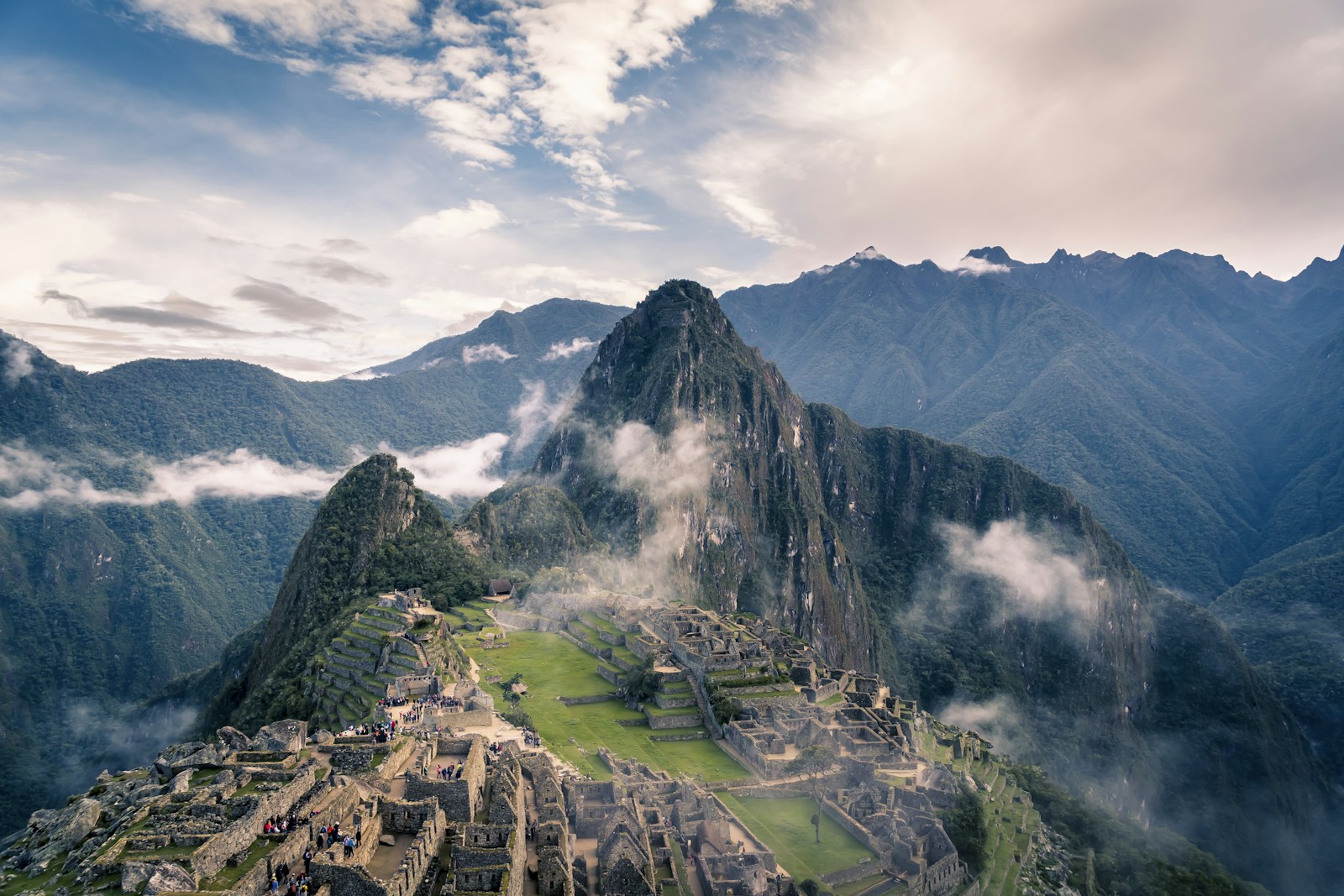
Day 7: Machu Picchu Day & Inca Trail Start
Base: Wayllabamba
Morning. Start early! Take one of the first buses (starting at 5:30 AM, $12 one way, buy the day before) from Aguas Calientes up to Machu Picchu. Explore the Citadel for 3-4 hours with a guide (mandatory since 2019, usually included in Inca Trail packages/Machu Picchu entry). Focus on the main circuit.
Afternoon. Descend from Machu Picchu via bus around 11 AM-12 PM. Meet your Inca Trail trekking group in Aguas Calientes. After a final check of gear and a quick, light lunch, take a short train to Km 82 (if doing the classic 4-day), the official start of the Inca Trail. Begin your trek, passing the first checkpoint.
Evening. First night camping on the Inca Trail at Wayllabamba (approx. 3,000m / 9,840 ft). Your porters will set up camp and your cook will prepare a hot dinner. Relax, enjoy the starry sky away from city lights, and prepare for tomorrow’s challenge. Tonight is about settling in.
🛏 Sleep: Camping on the Inca Trail (Wayllabamba) – basic tents, sleeping pads, and sleeping bags provided by your guide company. Shared toilet facilities.
🚆 Transport: Bus from Aguas Calientes to Machu Picchu (25 min). Train from Aguas Calientes to Km 82 (approx. 30 min). Hiking (approx. 3-4 hours).
💡 Tip: Even though you'll see Machu Picchu today, the main aim is to get your bearings for the trek. Pack a small daypack with water, snacks, and rain gear for the trail section.
Day 8: Inca Trail: Dead Woman's Pass
Base: Pacaymayu
Morning. This is the hardest day of the Inca Trail. Begin the ascent to Warmiwañusca (Dead Woman's Pass) at 4,215m / 13,828 ft. It's a strenuous climb, lasting 3-5 hours, with breathtaking views at the top. Pace yourself, take plenty of breaks, and hydrate constantly.
Afternoon. Descend from Dead Woman's Pass into the Pacaymayu Valley. The downhill is steep and can be hard on the knees. Arrive at the Pacaymayu campsite (approx. 3,600m / 11,811 ft) by late afternoon. Your porters will have camp set up, and a hot lunch will await.
Evening. Enjoy a well-deserved hot dinner at Pacaymayu. Share stories with your fellow trekkers. Get an early night's sleep – you've earned it, and tomorrow is another long day, though less steep than today's climb. Recharge for the remaining historic sites.
🛏 Sleep: Camping on the Inca Trail (Pacaymayu) – similar to night one, basic yet comfortable after a challenging day.
🚆 Transport: Hiking all day (approx. 6-8 hours, including breaks). No motorized transport.
💡 Tip: Use trekking poles today – they are invaluable for both the ascent to Dead Woman's Pass and the steep descent, saving your knees significantly.
Day 9: Inca Trail: Runcu Raccay & Phuyupatamarka
Base: Wiñaywayna
Morning. Begin with an ascent to the second pass, Runcu Raccay (3,950m / 12,960 ft), which is less strenuous than Dead Woman's Pass. Along the way, visit the Inca ruins of Runcu Raccay and the impressive Sayacmarca. Enjoy the shifting cloud forest scenery.
Afternoon. Continue hiking through beautiful cloud forest, often referred to as the 'Inca Flat' section. Visit more Inca sites like Phuyupatamarka ('Town in the Clouds') with its intricate waterworks and stunning vistas. Lunch will be prepared by your cook en route.
Evening. Arrive at the Wiñaywayna campsite (approx. 2,650m / 8,694 ft), one of the most beautiful on the trail, with impressive terraces nearby. Take time to visit the Wiñaywayna ruins, just a short walk from camp. Enjoy your final celebratory dinner with your porters and trekking group. There's often a tipping ceremony.
🛏 Sleep: Camping on the Inca Trail (Wiñaywayna) – your final night in a tent, typically a livelier camp as trekkers anticipate Machu Picchu tomorrow.
🚆 Transport: Hiking all day (approx. 7-9 hours, including breaks and site visits).
💡 Tip: Prepare small bills (Soles) for tipping your porters and cook on the final night – it's customary and deeply appreciated for their hard work.
Day 10: Machu Picchu Sunrise & Return to Cusco
Base: Cusco
Morning. Wake up very early (around 3:30-4 AM) for a quick breakfast. Hike to the Sun Gate (Intipunku) for a spectacular sunrise view over Machu Picchu (approx. 1.5-2 hours walk). Descend into the Citadel for a final exploration before the crowds arrive. This is the iconic 'postcard' view.
Afternoon. After soaking it all in, take the bus back down to Aguas Calientes. Collect any stored luggage from your hotel. Enjoy a celebratory lunch in town. Take the afternoon train (e.g., 2:55 PM or 4:22 PM) from Aguas Calientes back to Ollantaytambo or Poroy, then a private transfer or collectivo back to Cusco (expect to arrive by 7-9 PM, depending on transfer).
Evening. Arrive back in Cusco, check into your hotel. You'll likely be tired but exhilarated. Enjoy a final, hearty Peruvian dinner in Cusco – perhaps a rocoto relleno or a more adventurous cuy (guinea pig) if you're feeling brave. Celebrate your achievement on the Inca Trail!
🛏 Sleep: Cusco Historic Centre – enjoy a comfortable bed and hot shower after days of camping.
🚆 Transport: Hiking (1.5-2 hrs), Bus (25 min), Train (1.5-3.5 hrs depending on station), Taxi/Collectivo (1.5-2 hrs). A significant travel day.
💡 Tip: Have all your train and transfer tickets printed or on your phone, and communicate clearly with your trekking company about your return logistics from Aguas Calientes to Cusco.
Travel tips
- The Cusco Tourist Ticket (Boleto Turístico) is essential. There are two circuits: a full 10-day pass (S/130) covering 16 sites in Cusco and the Sacred Valley, and a partial 1-day pass (S/70-S/100) for specific circuits. Decide based on your planned visits.
- Bring small denominations of Peruvian Soles (S/) for market purchases, small meals, and especially for tipping on the Inca Trail; ATMs outside major cities are unreliable.
- Always carry your original passport. It's required for the Inca Trail checkpoints and Machu Picchu entry, and photo copies are generally not accepted for official use.
- On the Inca Trail, use water purification tablets or a SteriPEN/filter bottle instead of buying bottled water daily; it reduces plastic waste and saves money.
- Book the Inca Trail at least 6 months to a year in advance; permits are limited to 500 per day (including porters and guides) and sell out quickly, especially for peak season.
- If you struggle with altitude, ask your doctor for Diamox (acetazolamide) before your trip; it can help prevent acute mountain sickness. Start taking it 24-48 hours before ascending to Cusco.
- While bargaining is common in markets, do so respectfully and be prepared to pay a fair price; over-aggressive haggling is frowned upon.
- Be cautious with street food, especially raw items or anything that has been sitting out. Stick to busy stalls where food is cooked fresh in front of you.
- While in Cusco, consider visiting the Coca Museum to learn about the plant's cultural significance, but avoid buying raw coca leaves if you're unable to bring them home legally.
FAQs
How much does the Inca Trail cost?
The Inca Trail typically costs between $600-$1000 USD per person for a 4 - day, 3 - night trek, depending on the tour operator and inclusions. This usually covers permits, guides, porters, food, and camping gear.Do I need a permit for the Inca Trail?
Yes, a permit is absolutely mandatory for the Inca Trail. Permits are limited to 500 per day (including trekkers, porters, and guides) and must be booked through an authorized tour operator months in advance.What is the highest point on the Inca Trail?
The highest point on the classic 4 - day Inca Trail is Warmiwañusca (Dead Woman's Pass) at an elevation of 4,215 meters (13,828 feet) above sea level.What currency should I use in Peru?
The official currency of Peru is the Sol (S/). While USD is accepted in some tourist areas, it's best to use Soles for most transactions, especially outside of major cities. ATMs are common in cities.Is the water safe to drink in Peru?
No, tap water is generally not safe to drink in Peru, even in major cities. Always drink bottled, purified, or boiled water. Use a water filter or purification tablets on the Inca Trail.How do I get to Machu Picchu?
There are three main ways: trekking a multi - day trail like the Inca Trail, taking a train to Aguas Calientes and then a bus up to the site, or a combination of bus/car to Hydroelectrica and then a walk to Aguas Calientes.What's the best way to avoid altitude sickness?
To avoid altitude sickness, spend at least 2 - 3 days acclimatizing in Cusco (3,400m / 11,150 ft) before strenuous activity. Stay hydrated, avoid alcohol, and consider asking your doctor about Diamox. Move slowly.Is it safe to travel in Peru?
Peru is generally safe for tourists, but petty crime like pickpocketing can occur in crowded areas. Always be aware of your surroundings, especially in Lima and Cusco. Use official taxis and avoid walking alone at night in poorly lit areas.


