
Itinerary
14 Days in Argentina: Buenos Aires, Patagonia & Mendoza
Tango, El Chaltén trekking, and Malbec country — two weeks with the right internal flights.
Overview
This 14-day Argentina itinerary dives deep into the country's diverse landscapes, balancing the urban charm of Buenos Aires with the serene vineyards of Mendoza and the dramatic peaks of Patagonia. We’re prioritizing direct flights to minimize travel time between regions, rather than attempting to cover every single corner of this vast country. This means you'll spend more time experiencing the destinations and less time on buses or long layovers, a crucial trade-off for a country as expansive as Argentina. You'll find a clear breakdown of the cost of a trip to Argentina, along with practical tips for navigating its unique challenges.
Who it's for
This itinerary is perfect for adventurous couples or solo travelers who appreciate a mix of city culture, gourmet experiences, and serious outdoor activity. It suits those willing to invest in domestic flights for efficiency and who can handle daily long walks and occasional strenuous hikes. Skip this if you prefer a relaxed beach holiday, dislike flying, or aren't keen on extensive walking.
Best time to go
The absolute sweet spot for this route is October/November or March/April (shoulder seasons). Patagonia sees its best hiking weather from late November to early March, but Mendoza's harvest season (late February to mid-March) is incredibly vibrant, making March a fantastic compromise. Avoid January/February due to peak local tourism and higher prices, and don't even think about the Patagonian winter (June-August) unless you're purely skiing.
Budget
| Style | Per day | What it buys |
|---|---|---|
| Budget | USD $70-95/day | Hostel dorms, street food/local parrillas, public transport, free walking tours, and self-guided hikes. |
| Mid-range | USD $150-220/day | 3-star hotels, mix of local and mid-range restaurants, occasional taxis, shared tours, and pre-booked attractions. |
| Comfort | USD $300-450+/day | Boutique hotels, fine dining, private transfers, guided tours, and internal flights to save time. |
What to pack
- Layered clothing for varying Patagonian weather (quick-dry recommended)
- Sturdy waterproof hiking boots with good ankle support
- A windproof and waterproof outer shell jacket
- Sunscreen (high altitude UV is no joke) and a wide-brimmed hat
- Small daypack for daily excursions (20-30L)
- Portable power bank for electronics on long days
- Wine packaging/protectors if you plan to bring bottles home
- Adaptor for Type I electrical outlets
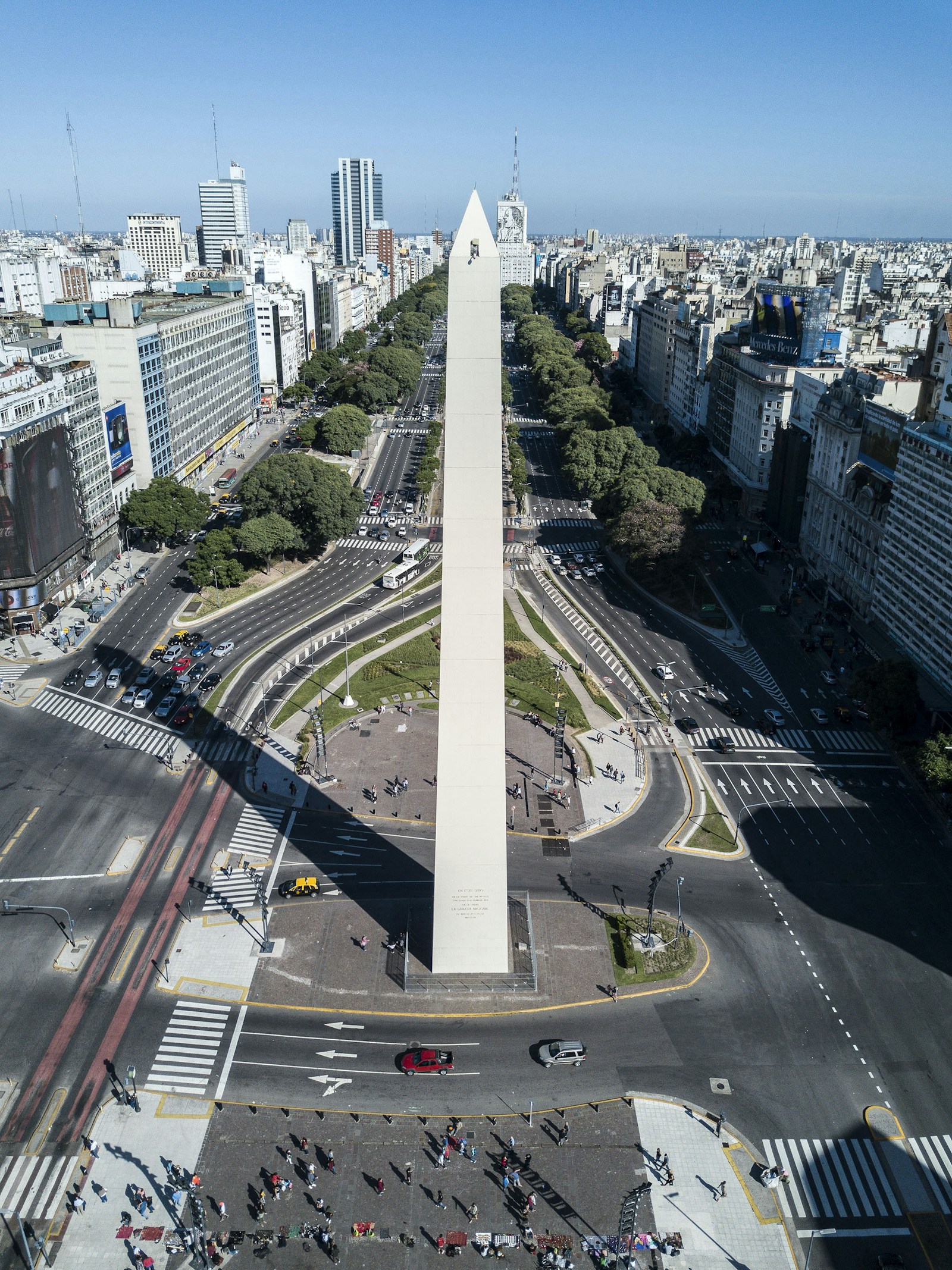
Day 1: Buenos Aires: Arrival & Recoleta Charm
Base: Buenos Aires
Morning. Arrive at Ezeiza International Airport (EZE), clear customs, and take a pre-booked 'remis' (private car service like Tienda León) directly to your accommodation in Recoleta. This area is elegant, safe, and a great base. Plan to arrive by early afternoon to settle in and beat jet lag before it sets in.
Afternoon. Stroll through the Recoleta Cemetery (opens 8 AM, free entry until 5 PM). Don't miss Eva Perón's tomb (Familia Duarte) and wander among the elaborate mausoleums. Afterwards, enjoy an 'apertivo' at a cafe along Avenida Quintana, people-watching.
Evening. Dinner in Recoleta. Explore the area around Ayacucho street for classic Argentine parrillas. Try El Ateneo Grand Splendid bookstore for a beautiful snapshot, then a relaxed dinner focusing on bife de lomo and a good Malbec.
🛏 Sleep: Recoleta – elegant, walkable, safe, and less chaotic than San Telmo for a first-timer.
🚆 Transport: Taxi/remis from EZE airport to Recoleta. Walking day within the neighborhood.
💡 Tip: Always carry small denominations of Argentine pesos (ARS) for taxis or small purchases; larger notes can be hard to break.
Day 2: Buenos Aires: San Telmo & Tango
Base: Buenos Aires
Morning. Head to San Telmo, specifically for the Sunday Feria de San Telmo (if it's a Sunday). Even on other days, explore the antique shops and cobbled streets. Pop into Mercado de San Telmo for a traditional 'choripán' breakfast.
Afternoon. Walk to Plaza de Mayo, Argentina's historic heart. See the Casa Rosada (Presidential Palace), Cabildo, and Metropolitan Cathedral. Consider a free walking tour starting here to gain local insights.
Evening. Experience tango. Skip the overpriced dinner shows. Instead, head to a 'milonga' like La Catedral Club in Almagro for an authentic, less touristy experience – you can take a class, watch locals dance, and grab empanadas.
🛏 Sleep: Recoleta – central and convenient for city exploration.
🚆 Transport: Subte (subway) and walking. The Subte system is efficient for covering longer distances across neighborhoods.
💡 Tip: Be aware of your surroundings and pickpocketing in crowded areas like San Telmo Market or on the Subte.
Day 3: Buenos Aires: Palermo Parks & Gastronomy
Base: Buenos Aires
Morning. Explore Palermo. Start with the beautiful Bosques de Palermo (Palermo Parks), including the Rosedal (rose garden) and Japanese Garden. Rent a paddle boat on the lake if the weather is nice (around ARS 1000 for 30 min).
Afternoon. Indulge in Palermo Soho's boutique shopping and street art. Have lunch at one of the many trendy cafes. Post-lunch, visit the MALBA (Latin American Art Museum of Buenos Aires) for contemporary art.
Evening. Palermo is Buenos Aires' culinary hub. Book a table at a renowned closed-door restaurant ('puertas cerradas') for a unique dining experience, or choose a top-rated parrilla like Don Julio (book months in advance).
🛏 Sleep: Recoleta – for consistent comfort.
🚆 Transport: Walking and taxi/ride-share (Uber/Cabify) within Palermo. No major inter-city travel.
💡 Tip: For popular parrillas like Don Julio, make reservations weeks, even months, in advance; walk-ins often face 2+ hour waits.
Day 4: Fly to Mendoza: Wine Country Arrival
Base: Mendoza
Morning. Take a pre-booked taxi to Aeroparque Jorge Newbery (AEP), the domestic airport. Fly from Buenos Aires (AEP) to Mendoza (MDZ) with Aerolineas Argentinas or LATAM (approx 2 hours). Aim for an early flight.
Afternoon. Check into your hotel in Mendoza. Spend the afternoon relaxing by the pool or exploring the city center's charming plazas. Plaza Independencia is a good starting point, surrounded by cafes and shops.
Evening. Enjoy dinner at one of Mendoza's excellent restaurants. Many offer multi-course tasting menus with wine pairings. Head to Aristides Villanueva street for a lively atmosphere and diverse dining options.
🛏 Sleep: Mendoza city center – good base for day trips to vineyards and offers diverse dining options.
🚆 Transport: Flight from AEP to MDZ (2 hours). Taxi to/from airports. Walking within Mendoza city.
💡 Tip: Book your domestic flights well in advance, especially during peak season, as they can fill up and get expensive.
Day 5: Mendoza: Luján de Cuyo Wine Tour
Base: Mendoza
Morning. Embark on a guided full-day wine tour to Luján de Cuyo, known for its Malbec. Many tours include hotel pickup, visits to 3-4 wineries, and tastings. Aim for a tour that offers a mix of large producers and smaller, boutique bodegas.
Afternoon. Enjoy a gourmet lunch at one of the wineries, often a multi-course meal expertly paired with their wines. Post-lunch, continue with further tastings and learn about the winemaking process.
Evening. Return to Mendoza city. For a lighter dinner after a day of indulgence, consider a casual pizza place or empanada joint on Las Heras street.
🛏 Sleep: Mendoza city center – convenient for evening activities after wine tours.
🚆 Transport: Tour company transport for the wine tour. Walking in the evening.
💡 Tip: Instead of a guided tour, consider renting bikes in Maipú (reachable by bus) for a self-guided, but more strenuous, winery hop.
Day 6: Mendoza: Uco Valley & High Andes Views
Base: Mendoza
Morning. Take a full-day tour to the Uco Valley, a bit further south but renowned for its high-altitude wines and stunning Andes backdrop. Tours here are often more upscale and focus on fewer, premium wineries.
Afternoon. Enjoy a sophisticated lunch, often at a winery with panoramic mountain views. This region provides fantastic photo opportunities of vineyards with the snow-capped Andes in the background. Return to Mendoza by late afternoon.
Evening. Relax and unwind. Consider a traditional 'asado' experience at a local parrilla, sampling different cuts of meat and local specialties. Try something off the tourist track like 'Parrilla La Salteña'.
🛏 Sleep: Mendoza city center – for easy access to tour pickups.
🚆 Transport: Tour company transport for the Uco Valley tour. Walking in the evening.
💡 Tip: Bring an extra layer for the Uco Valley, as the higher altitude can mean cooler temperatures, even on a sunny day.
Day 7: Fly to El Calafate: Gateway to Glaciers
Base: El Calafate
Morning. Take a taxi to MDZ airport for your flight to El Calafate (FTE) via Aerolineas Argentinas (approx 2 hours, sometimes with a brief stop). Aim for a morning flight to maximize your afternoon.
Afternoon. Arrive in El Calafate, the gateway to Los Glaciares National Park. Check into your hotel. Spend the afternoon exploring the small, charming town. Walk along Avenida del Libertador, browsing shops for Patagonian crafts and chocolate.
Evening. Dinner in El Calafate. Try Patagonian lamb ('cordero patagónico'), a local specialty. Many restaurants on Avenida del Libertador offer this. Reserve a table, especially in high season.
🛏 Sleep: El Calafate town center – all tours depart from here, and it's walkable to restaurants and shops.
🚆 Transport: Flight from MDZ to FTE (2 hours). Taxi to/from airports. Shuttle/taxi from FTE to El Calafate town (20 min).
💡 Tip: Pack warm layers, even in summer. Patagonian weather is notoriously unpredictable and can change rapidly.
Day 8: El Calafate: Perito Moreno Glacier Trek
Base: El Calafate
Morning. Take a full-day tour to Perito Moreno Glacier (reserve in advance). Opt for the 'Mini-Trekking' experience (via Hielo y Aventura), which includes bus transport, a boat trip, and a ~1.5 hour walk on the glacier itself.
Afternoon. Continue the glacier hike, complete with crampons and guided by experts, offering unparalleled views of the ice formations. Afterwards, spend time on the boardwalks opposite the glacier for stunning panoramic views and to witness calving events.
Evening. Relax in El Calafate. After a demanding day, a hearty local stew or pasta in a cozy restaurant like La Zaina is perfect. Make sure to try some 'calafate berry' products – the town's namesake.
🛏 Sleep: El Calafate town center – ideal for early morning tour pickups.
🚆 Transport: Tour bus to and from Perito Moreno Glacier (1.5-2 hours each way).
💡 Tip: Book the Mini-Trekking for Perito Moreno Glacier at least 2-3 months in advance, especially for high season dates; it sells out fast.
Day 9: El Calafate: Free Day / Boat Trip Option
Base: El Calafate
Morning. Enjoy a slower morning. If you skipped the Mini-Trekking, today is ideal for a full-day 'Safari Náutico' boat trip on Lago Argentino, which cruises past several glaciers in Los Glaciares National Park.
Afternoon. For those not on a boat trip, visit the Glaciarium, an interactive glacier museum located a few kilometers outside town (free shuttle from town center). Alternatively, visit Laguna Nimez nature reserve for birdwatching.
Evening. Enjoy a farewell dinner in El Calafate, perhaps at a more upscale restaurant like Isabel Cocina al Disco, known for its slow-cooked dishes. Reflect on the stunning Patagonian scenery.
🛏 Sleep: El Calafate town center.
🚆 Transport: Shuttle/taxi for Glaciarium, walking for Laguna Nimez. Boat trip has its own transport.
💡 Tip: If you're prone to motion sickness, take medication before the boat trip to the glaciers; the lake can be choppy.
Day 10: El Calafate to El Chaltén: Hiking Capital
Base: El Chaltén
Morning. Take an early morning bus from El Calafate to El Chaltén (approx 3 hours with Caltur or Chalten Travel). The bus journey offers incredible views of Lake Viedma and eventually the Fitz Roy range.
Afternoon. Arrive in El Chaltén, Argentina's trekking capital. Check into your guesthouse. After settling in, take a relatively easy, self-guided hike to Mirador de los Cóndores and Mirador de las Aguilas (2-3 hours round trip) for panoramic views of the town and mountains.
Evening. El Chaltén has a relaxed, hiker-centric vibe. Enjoy a craft beer at La Cerveceria and a hearty meal at a casual spot like La Tapera or a pizzeria. Portion sizes are generous, catering to hungry trekkers.
🛏 Sleep: El Chaltén town – all accommodations are centrally located within walking distance of trailheads.
🚆 Transport: Bus from El Calafate to El Chaltén (3 hours). Walking within El Chaltén.
💡 Tip: There are no ATMs in El Chaltén (or they are often out of cash). Bring enough Argentine Pesos for your stay.
Day 11: El Chaltén: Fitz Roy Trek (Laguna de los Tres)
Base: El Chaltén
Morning. Embark on the iconic full-day trek to Laguna de los Tres, offering the most famous view of Mount Fitz Roy. Start early (7-8 AM) from the trailhead at the end of Avenida San Martín. (22km, 8-10 hours round trip, challenging).
Afternoon. After reaching Laguna de los Tres and soaking in the breathtaking views, descend back towards El Chaltén. Pack a hearty lunch, plenty of water, and snacks for this long day.
Evening. Recover your sore muscles. Enjoy a well-deserved, substantial dinner at a local parrilla or a 'fonda' (simple, rustic restaurant) in El Chaltén. Many places offer happy hour for local beers.
🛏 Sleep: El Chaltén town – close to trailheads for convenience.
🚆 Transport: Walking day, starting directly from town.
💡 Tip: The last kilometer to Laguna de los Tres is a steep, rocky scramble; be prepared for a challenging ascent and descent.
Day 12: El Chaltén: Laguna Torre Trek
Base: El Chaltén
Morning. Another incredible full-day trek, this time to Laguna Torre and the spire of Cerro Torre. The trailhead is also accessible directly from town. (20km, 7-9 hours round trip, moderate-challenging).
Afternoon. The trail to Laguna Torre is less strenuous than Fitz Roy but equally rewarding, with stunning views of the glacial lake and Cerro Torre. Pack a light lunch to enjoy by the lake.
Evening. Enjoy a final dinner in El Chaltén. Perhaps splurge on a meal at a slightly more upscale option if you're not completely exhausted, or just grab a quick bite and an early night.
🛏 Sleep: El Chaltén town – consistent base for hiking.
🚆 Transport: Walking day, starting directly from town.
💡 Tip: Check the weather forecast the night before and adjust your hike plans accordingly; strong winds are common in El Chaltén.
Day 13: El Chaltén to El Calafate & Fly to Buenos Aires
Base: Buenos Aires
Morning. Take an early morning bus from El Chaltén back to El Calafate (approx 3 hours). From El Calafate airport (FTE), take an afternoon flight back to Buenos Aires (AEP or EZE, approx 3 hours).
Afternoon. Upon arrival in Buenos Aires, take a pre-booked taxi or remis to your hotel. This is a significant travel day, so plan for downtime upon arrival. Consider staying in Palermo this time for a change of scenery.
Evening. Enjoy a relaxed final dinner in Buenos Aires. Explore Palermo Hollywood for vibrant dining options, and maybe catch a live music show or simply unwind at a comfortable café. Reflect on your adventure.
🛏 Sleep: Palermo – vibrant, great dining, and a different feel from Recoleta.
🚆 Transport: Bus from El Chaltén to El Calafate (3 hours). Flight from FTE to AEP/EZE (3 hours). Taxi to city.
💡 Tip: If flying out of EZE the next day, consider staying closer to that side of the city to avoid a long transfer on departure day; otherwise, Palermo is fine.
Day 14: Buenos Aires: Farewell & Departure
Base: Buenos Aires
Morning. Depending on your flight schedule, enjoy a final Argentine breakfast (medialunas and coffee). Perhaps do some last-minute souvenir shopping in Palermo, or revisit a favorite spot.
Afternoon. Enjoy a leisurely lunch. If time permits, visit the Feria de Mataderos (Sundays only, cultural fair outside city center) for a different Buenos Aires experience. Otherwise, prepare for departure.
Evening. Transfer to Ezeiza International Airport (EZE) via pre-booked remis or taxi for your international flight home. Allow ample time (3+ hours) for check-in and security.
🛏 Sleep: Departing.
🚆 Transport: Taxi/remis to EZE airport.
💡 Tip: Keep a photocopy of your passport and visa (if applicable) separate from your originals in case of emergency; this is good practice for all solo female travel safety protocols and general travel.
Travel tips
- The 'Blue Dollar' market in Argentina offers a significantly better exchange rate for USD cash compared to official rates. Bring crisp USD $100 bills and exchange them at 'cuevas' (unofficial money changers) in Calle Florida, Buenos Aires, or ask your hotel for a trusted contact. However, be aware of the risks involved. Always check the current 'dólar blue' rate online (e.g., via Dolarhoy.com).
- Book internal flights directly with Aerolineas Argentinas or LATAM Argentina. Using international booking sites can sometimes result in much higher
- Carry plenty of small bills and coins. It's common for smaller shops, taxis, and even some restaurants outside major cities to claim they don't have change for large denominations, especially for a ARS 1000 note.
- Always validate your Subte (metro) or bus card (SUBE card) when boarding or entering. Fines for not validating are steep, and inspectors are common.
- For Perito Moreno Glacier, the 'Mini-Trekking' (ice hike) sells out months in advance. If you miss it, the 'Safari Náutico' boat trip and boardwalks are still fantastic.
- In Mendoza, consider renting a car for a day or two if you're comfortable driving abroad. It offers more flexibility for visiting smaller, off-the-beaten-path bodegas in Uco Valley.
- Don't underestimate Patagonian winds. A good quality windproof jacket is essential, even on sunny days, as gusts can reach extreme speeds, especially on exposed trails.
- Learn a few basic Spanish phrases. While many in tourist areas speak English, attempting Spanish is always appreciated and can help with navigation and interaction in more local settings. 'Hola', 'Gracias', 'Por favor', 'Cuánto cuesta?' will go a long way.
FAQs
What's the best way to get around Buenos Aires?
Buenos Aires has an excellent public transport system. The Subte (subway) is the fastest way to cover longer distances. Purchase a reloadable SUBE card (around ARS 1000) at kiosks or Subte stations for all buses and subways. Taxis and ride - sharing apps (Uber, Cabify) are also widely available and reasonably priced.Do I need a visa for Argentina?
Citizens of many countries, including the USA, Canada, UK, Australia, and most of Europe, do not require a visa for tourist stays up to 90 days. Always check the latest visa requirements with the Argentine embassy or consulate in your country well before your trip, as regulations can change. For US citizens, the US Department of State website is a good resource.Is tap water safe to drink in Argentina?
In most major cities like Buenos Aires and Mendoza, tap water is generally considered safe to drink, though some travelers prefer bottled water due to taste differences. In Patagonia, especially in smaller towns like El Chaltén, tap water is usually safe and delicious, often coming directly from glacial melt. Always carry a reusable water bottle and filter if you're concerned.What's the tipping etiquette in Argentina?
Tipping is customary but not mandatory. In restaurants, a 10% tip for good service is appreciated. For taxis, round up the fare. For guided tours, consider tipping your guide USD $10 - 20 per person for a full day. For specific guidance, see our Global Tipping Etiquette Guide.How much cash should I carry?
Given Argentina's economic situation and the 'blue dollar' exchange rate, carrying a good amount of crisp USD cash for exchange is highly advisable. For daily expenses, aim to have ARS equivalent to USD $50 - 100 per person, especially for smaller purchases, taxis, and places that don't accept cards. Always inquire about card acceptance beforehand.What's the best way to exchange money?
The most advantageous way to exchange money is typically via the 'dólar blue' market, which offers a significantly better rate for USD cash. You can find 'cuevas' (unofficial exchange houses) in Calle Florida in Buenos Aires or ask your hotel for a reliable contact. Alternatively, Western Union often offers competitive rates for transfers to Argentina.


