
Itinerary
14 Days in South Africa: Cape Town, Garden Route & Kruger
Self-drive coast, then the Big Five — with the internal flight that saves three days.
Overview
This 14-day itinerary focuses on South Africa's classic hits: the vibrant Cape Town, the scenic Garden Route, and a thrilling Kruger National Park safari. The trade-off here is depth over breadth – we're not rushing through every single corner of the country. Instead, it prioritizes a balanced pace, allowing ample time for exploration without feeling rushed, with a particular emphasis on self-driving for flexibility. It's designed to give you a taste of the diverse landscapes and experiences South Africa offers, from city culture to coastal beauty and the unparalleled wildlife encounters of Kruger, without the stress of constant movement.
Who it's for
This itinerary is ideal for first-time visitors to South Africa, couples, or families with older children who enjoy a mix of self-drive adventure and guided safari experiences. It suits those who appreciate scenic drives, wildlife, and a bit of urban exploration. Skip this if you dislike driving long distances (some days involve 4-5 hours) or prefer purely guided tours, as a significant portion is self-navigated.
Best time to go
The sweet spot for this particular South Africa itinerary is late May to early September. This is winter in the Western Cape, meaning cooler, clear days for exploring Cape Town and fewer crowds. Crucially, it's the dry season for Kruger National Park, making wildlife viewing exceptional as animals congregate around dwindling water sources. The Garden Route is lovely year-round, but expect crisp, sunny days during this period. Avoid December-February for Kruger unless you don't mind dense vegetation and intense heat. For more detailed insights, check out the Best Time to Visit South Africa guide.
Budget
| Style | Per day | What it buys |
|---|---|---|
| Budget | $70-100/day | Hostel dorms/guesthouses, self-catering some meals, street food/casual restaurants, budget car rental, self-drive safari in Kruger. |
| Mid-range | $150-250/day | 3-4 star hotels/boutique guesthouses, mix of casual and nicer restaurants, comfortable sedan rental, private reserve day trip or mid-range safari lodge. |
| Comfort | $350-500+/day | 4-5 star hotels/luxury lodges, fine dining, premium SUV rental, exclusive private safari lodge with all-inclusive game drives and meals. |
What to pack
- Layered clothing for varying temperatures (Cape Town can be chilly, Kruger hot)
- Good walking shoes for urban exploration and light hikes
- Swimwear for coastal stops and lodge pools
- Wide-brimmed hat, sunglasses, and high-SPF sunscreen for sun protection
- Binoculars for wildlife viewing in Kruger (a must-have!)
- Insect repellent (especially for Kruger and evenings on the Garden Route)
- A camera with a good zoom lens for safari photos
- A South Africa power adapter (Type M, D, and N are common)
Day 1: Cape Town: Arrival & V&A Waterfront
Base: Cape Town
Morning. Arrive at Cape Town International Airport (CPT), pick up your rental car, and head to your accommodation. Allow a couple of hours to settle in and shake off any jet lag.
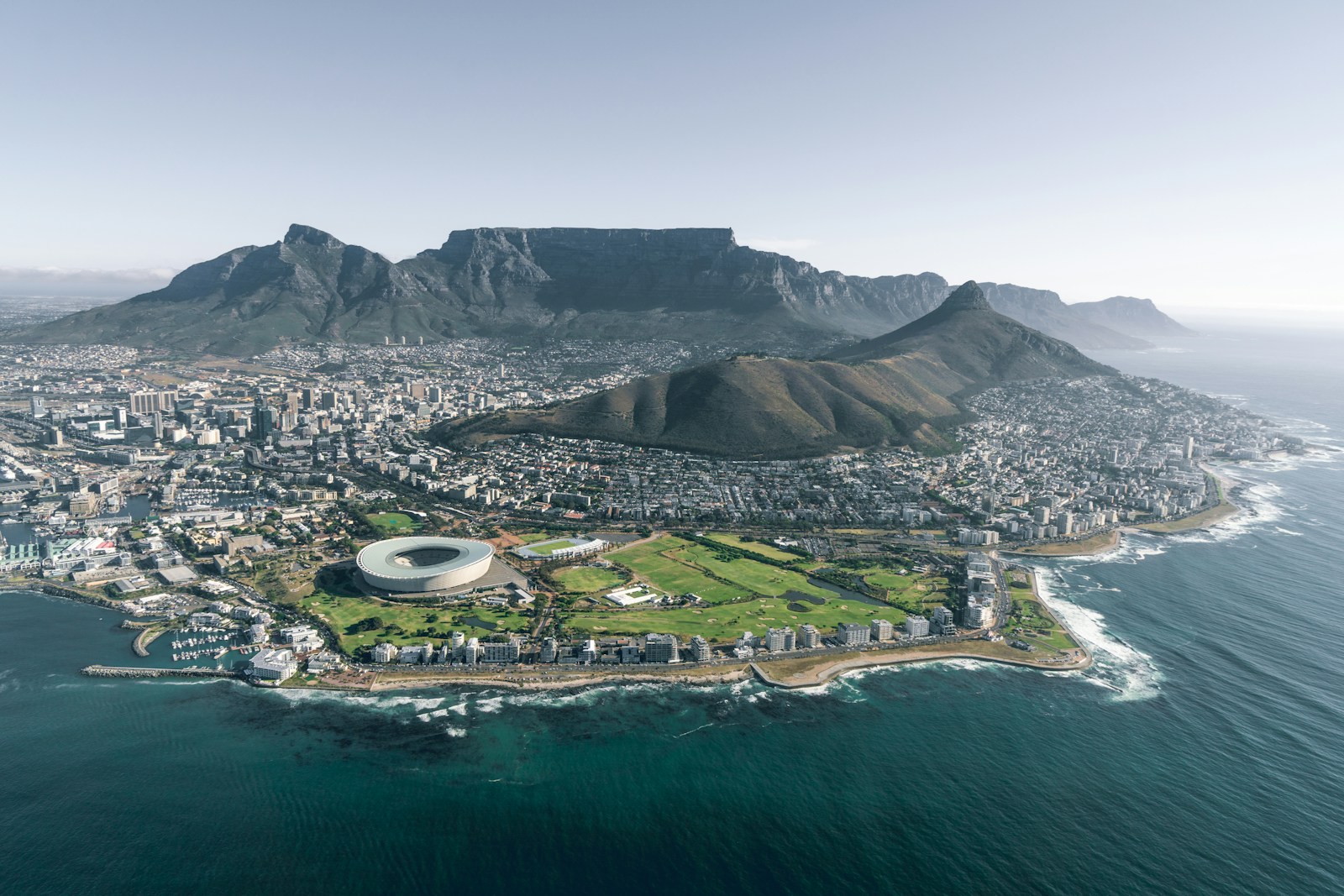
Afternoon. Head to the V&A Waterfront. This bustling hub offers shops, restaurants, and views of Table Mountain. Consider a harbour cruise for different perspectives of the city and mountain. Don't underestimate how busy it can get; aim for a mid-afternoon arrival to avoid peak crowds.
Evening. Enjoy dinner at the V&A Waterfront. There's a wide range of options, from casual seafood shacks to upscale dining. Post-dinner, a gentle stroll along the waterfront is a perfect way to end the day. Try Karibu for traditional South African cuisine.
🛏 Sleep: Gardens/City Centre – central, walkable, and offers easy access to most attractions. Look for hotels with secure parking.
🚆 Transport: Rental car pick-up at CPT and driving to accommodation. Walking around V&A Waterfront. No significant inter-city transport today.
💡 Tip: Pre-book your rental car well in advance, especially if you want an automatic transmission. Opt for a reputable international brand for easier roadside assistance.
Day 2: Cape Town: Table Mountain & Bo-Kaap
Base: Cape Town
Morning. Start early with a visit to Table Mountain. Take the Aerial Cableway up for panoramic views. Buy tickets online in advance to skip the queues; the first cable car up (usually 8 AM) offers the clearest views before the clouds roll in.
Afternoon. Descend Table Mountain and explore the vibrant Bo-Kaap neighborhood, known for its brightly colored houses and unique culture. Have lunch at a local Cape Malay restaurant here, like Biesmiellah, for authentic flavors.
Evening. Dine in the De Waterkant area, a stylish district adjacent to Bo-Kaap. It's known for its trendy restaurants and lively atmosphere. Afterwards, consider a performance at the Fugard Theatre if something interests you.
🛏 Sleep: Gardens/City Centre – convenient for evening activities and quick access to various parts of the city.
🚆 Transport: Driving within Cape Town. Walking within Bo-Kaap. No long-distance transport.
💡 Tip: Check the Table Mountain Cableway website for operational status before heading out – it closes in high winds. Always have a backup plan (e.g., Signal Hill) if it's closed.
Day 3: Cape Town: Cape Peninsula Road Trip
Base: Cape Town
Morning. Embark on a scenic drive down the Cape Peninsula. Your first stop should be Hout Bay, a picturesque fishing village. Consider a boat trip to Duiker Island to see the Cape Fur Seals (weather permitting).
Afternoon. Continue along Chapman's Peak Drive (toll road, worth every rand for the views). Head towards the Cape of Good Hope Nature Reserve and Cape Point. Allow plenty of time here – there are several viewpoints and short hikes. Lunch can be a casual affair at the Two Oceans Restaurant at Cape Point or packed sandwiches.
Evening. On your way back to Cape Town, stop in Simon's Town to see the African Penguin colony at Boulders Beach. Aim to arrive an hour or so before sunset for fewer crowds. Dinner can be in Simon's Town at Bertha's for fresh seafood, or back in Cape Town.
🛏 Sleep: Gardens/City Centre – central for winding down after a full day of driving.
🚆 Transport: Full day of driving the Cape Peninsula (approx. 180-200 km round trip).
💡 Tip: Start this day early (by 8 AM) to beat the tour buses to the major sights and ensure you have enough time without feeling rushed. Keep your petrol tank full as stations are sparse on the southern peninsula.
Day 4: Stellenbosch: Winelands & History
Base: Stellenbosch
Morning. Drive to Stellenbosch (approx. 1 hour from Cape Town). Check into your accommodation, then spend the morning exploring the historic town center on foot. The oak-lined streets and Cape Dutch architecture are charming. Grab coffee and a pastry at a local cafe.
Afternoon. Indulge in wine tasting. Choose 2-3 estates in the Stellenbosch region. Warwick Wine Estate is known for its picnics, while Delaire Graff Estate offers stunning views and art. Many estates require advance booking for tastings or tours.
Evening. Enjoy a gourmet dinner at one of Stellenbosch's renowned restaurants. Overture at Hidden Valley Wines offers exceptional food with views, but book weeks in advance. Alternatively, try a more casual spot on Dorp Street.
🛏 Sleep: Stellenbosch – staying in the heart of the winelands allows for a more relaxed evening after wine tasting. Choose a guesthouse with character.
🚆 Transport: Drive from Cape Town to Stellenbosch (approx. 50 km). Driving between wine estates.
💡 Tip: Designate a sober driver for your wine tastings, or book a private wine tour to avoid driving after sampling. Uber/local taxis are also an option between estates.
Day 5: Hermanus: Coastal Views & Whales (Seasonal)
Base: Hermanus
Morning. Drive from Stellenbosch to Hermanus (approx. 1.5-2 hours). This scenic coastal drive, particularly R44, is breathtaking. Upon arrival, walk along the Cliff Path, a 12km trail offering excellent land-based whale watching opportunities (June-November).
Afternoon. If it's whale season, consider a boat-based whale watching tour from the harbour (book well in advance). If not, explore the quaint shops and art galleries in the town center. Lunch can be fresh seafood at a restaurant overlooking the bay.
Evening. Dine in Hermanus. Bientang's Cave Restaurant, nestled in a cave overlooking the ocean, offers a unique experience and fresh seafood. Alternatively, there are several excellent restaurants along the waterfront.
🛏 Sleep: Hermanus – choose accommodation close to the Cliff Path for easy access to morning walks and whale spotting.
🚆 Transport: Drive from Stellenbosch to Hermanus (approx. 100 km). Walking in Hermanus.
💡 Tip: For whale watching, early morning tours often have calmer seas and better light. Always check weather conditions and sea state before booking a boat trip.
Day 6: Oudtshoorn: Ostrich Farms & Cango Caves
Base: Oudtshoorn
Morning. Drive inland from Hermanus to Oudtshoorn (approx. 4-5 hours), a journey that takes you through diverse landscapes including the scenic Route 62. Break up the drive with a stop in Barrydale for a snack or coffee.
Afternoon. Arrive in Oudtshoorn, the 'Ostrich Capital of the World'. Visit a working ostrich farm, such as Cango Ostrich Show Farm, for a guided tour and insight into these fascinating birds. You can even ride one!
Evening. Explore the Cango Caves, a magnificent limestone cave system. Book a guided tour (Standard or Adventure) in advance, especially during peak season. Dinner in Oudtshoorn often features ostrich steak – try Nostalgie Restaurant for a local favorite.
🛏 Sleep: Oudtshoorn – a guesthouse or lodge, many of which are on or near ostrich farms, offers a unique stay.
🚆 Transport: Long drive from Hermanus to Oudtshoorn (approx. 350-400 km). Driving to attractions in Oudtshoorn.
💡 Tip: The Adventure Tour at Cango Caves involves tight squeezes and crawling; if you're claustrophobic or have mobility issues, stick to the Standard Tour. Wear comfortable shoes with good grip.
Day 7: Knysna: Garden Route's Heart
Base: Knysna
Morning. Drive from Oudtshoorn to Knysna (approx. 2 hours), passing through the dramatic Outeniqua Pass. Check into your accommodation near the waterfront.
Afternoon. Explore the Knysna Waterfront and take a ferry or a leisurely cruise to the Featherbed Nature Reserve (book in advance for the full experience, which includes a 4x4 drive and guided walk). Alternatively, simply enjoy the shops and restaurants at the waterfront.
Evening. Enjoy dinner at the Knysna Waterfront, famous for its fresh oysters. The Oyster Bar offers excellent choices. Afterwards, a relaxed stroll along the harbour is ideal.
🛏 Sleep: Knysna (Thesen Island or Waterfront area) – convenient for restaurants and boat trips, with a lively atmosphere.
🚆 Transport: Drive from Oudtshoorn to Knysna (approx. 120 km). Ferry to Featherbed Nature Reserve.
💡 Tip: If visiting Featherbed, wear comfortable walking shoes and bring a light jacket as it can be breezy on the water and at the top of the reserve.
Day 8: Plettenberg Bay: Beaches & Nature
Base: Plettenberg Bay
Morning. Drive a short distance from Knysna to Plettenberg Bay (approx. 30 minutes). Spend the morning relaxing on one of Plettenberg Bay's beautiful beaches, like Central Beach or Robberg Beach. Alternatively, visit the Robberg Nature Reserve for a stunning hike and incredible views.
Afternoon. Visit Monkeyland Primate Sanctuary or Birds of Eden, both ethical wildlife sanctuaries offering unique experiences. They're located close to each other, making it easy to visit both. Lunch can be a casual affair at one of the beachside cafes in Plett.
Evening. Dine in Plettenberg Bay. The Fat Fish is highly recommended for seafood, offering great views over the bay. Many restaurants here focus on fresh, local produce.
🛏 Sleep: Plettenberg Bay – staying here gives you access to a slightly more laid-back vibe than Knysna and excellent beaches.
🚆 Transport: Short drive from Knysna to Plettenberg Bay (approx. 30 km). Driving to attractions.
💡 Tip: If you plan to hike Robberg Nature Reserve, allow 3-4 hours for the full loop (11km) and bring plenty of water. The views are spectacular, but it's more challenging than it looks.
Day 9: Port Elizabeth & Flight to Kruger
Base: Skukuza (Kruger National Park)
Morning. Drive from Plettenberg Bay to Port Elizabeth (Gqeberha) Airport (PLZ) (approx. 3-3.5 hours). Return your rental car here.
Afternoon. Fly from Port Elizabeth to Skukuza Airport (SZK) or Kruger Mpumalanga International Airport (MQP). This flight is crucial and needs to be booked well in advance. Upon arrival, transfer to your chosen safari lodge within or near Kruger National Park. Many lodges offer airport transfers.
Evening. Settle into your safari lodge. Depending on your arrival time, you might have your first afternoon/evening game drive or simply enjoy dinner at the lodge. Listen to the sounds of the bush coming alive at night.
🛏 Sleep: Safari Lodge/Camp inside or bordering Kruger National Park – provides immediate access to game drives and an immersive bush experience.
🚆 Transport: Drive from Plettenberg Bay to Port Elizabeth Airport (approx. 250 km). Domestic flight from PLZ to SZK/MQP. Lodge transfer to accommodation.
💡 Tip: Book your internal flight to Kruger far in advance, as seats can be limited and prices rise sharply closer to the date. Look for flights directly into Skukuza (SZK) for the most convenient access to central Kruger.
Day 10: Kruger National Park: Safari Immersion
Base: Skukuza (Kruger National Park)
Morning. Wake up early for your first full morning game drive. This is often the best time to spot predators. Your guide will track animals and share insights into the bush. Expect a coffee break in the bush.
Afternoon. Return to the lodge for brunch/lunch and some downtime. Many lodges have pools or viewing decks for relaxing. In the late afternoon, head out for another game drive as the animals become more active with the cooling temperatures.
Evening. Enjoy a traditional 'boma' dinner under the stars at your lodge (if offered). Share stories of the day's sightings around a campfire. An optional night drive might be available, offering a chance to see nocturnal animals.
🛏 Sleep: Safari Lodge/Camp inside or bordering Kruger National Park – fully immersive safari experience.
🚆 Transport: Game drives provided by the lodge. No self-driving today.
💡 Tip: Listen to your guide's instructions carefully during game drives. Never stand up in the vehicle or make loud noises, as this can disturb wildlife and be dangerous.
Day 11: Kruger National Park: Deeper Bush Exploration
Base: Skukuza (Kruger National Park)
Morning. Another early start for a morning game drive, perhaps focusing on a different area of the park or looking for specific animals you haven't seen yet. Your guide will communicate with other rangers to locate sightings.
Afternoon. After your game drive and brunch, consider a guided bush walk (if offered by your lodge). This offers a completely different perspective of the bush, focusing on smaller creatures, tracks, and flora. Lunch at the lodge.
Evening. Enjoy another evening game drive, followed by dinner. Take some time to simply absorb the sounds of the African bush from your lodge.
🛏 Sleep: Safari Lodge/Camp inside or bordering Kruger National Park – continued safari experience.
🚆 Transport: Game drives and optional bush walks provided by the lodge.
💡 Tip: Patience is key on safari. While guides work hard, sightings are never guaranteed. Enjoy the smaller moments – the birds, the trees, the vastness – as much as the 'Big Five'.
Day 12: Kruger to Panorama Route
Base: Graskop/Hazyview
Morning. Enjoy one last morning game drive or a leisurely breakfast at your lodge. Check out and transfer back to Skukuza Airport (SZK) or Kruger Mpumalanga International Airport (MQP), where you'll pick up a new rental car.
Afternoon. Drive from the airport to the start of the Panorama Route, checking into your accommodation in Graskop or Hazyview (approx. 1-1.5 hours from MQP). Begin exploring some of the iconic viewpoints, such as God's Window, Wonder View, and the Pinnacle Rock.
Evening. Dine in Graskop or Hazyview. Try local South African fare. Harrie's Pancakes in Graskop is famous for its sweet and savory options and makes for a casual but satisfying dinner.
🛏 Sleep: Graskop or Hazyview – central locations for exploring the Panorama Route.
🚆 Transport: Lodge transfer to SZK/MQP. Rental car pick-up. Drive to Graskop/Hazyview and along Panorama Route (approx. 50-100 km).
💡 Tip: The Panorama Route has many roadside stalls selling local crafts and produce. Bartering is expected, but always be respectful. Keep an eye on your belongings at crowded viewpoints.
Day 13: Panorama Route & Return to Johannesburg
Base: Johannesburg
Morning. Continue exploring the Panorama Route. Focus on Bourke's Luck Potholes and the Three Rondavels, two of the most spectacular natural formations. Allow ample time for photos and short walks.
Afternoon. Drive from the Panorama Route to Johannesburg (approx. 4-5 hours). This is a long but straightforward drive back to the city. Return your rental car at OR Tambo International Airport (JNB) or your Johannesburg hotel.
Evening. Enjoy a farewell dinner in Johannesburg. Depending on your preference, try the trendy Maboneng Precinct for a lively atmosphere or Melville for more upscale options. The Marble Restaurant in Rosebank offers excellent contemporary South African cuisine.
🛏 Sleep: Sandton/Rosebank (Johannesburg) – safe, upscale neighborhoods with good dining and easy airport access.
🚆 Transport: Driving the Panorama Route (approx. 50 km). Long drive from Panorama Route to Johannesburg (approx. 400 km). Return rental car.
💡 Tip: Download offline maps for the Panorama Route as cell signal can be spotty. Fill up your petrol tank before leaving Graskop/Hazyview, as stations are less frequent on the way to Johannesburg.
Day 14: Johannesburg: Departure
Base: Johannesburg
Morning. Depending on your flight schedule, you may have time for a quick visit to the Apartheid Museum (book tickets online in advance to guarantee entry and allow 2-3 hours) or some last-minute souvenir shopping.
Afternoon. Head to O.R. Tambo International Airport (JNB) for your departure. Allow ample time for traffic, especially during weekdays.
Evening. Depart from Johannesburg.
🛏 Sleep: Departing.
🚆 Transport: Taxi/Uber to OR Tambo International Airport (JNB).
💡 Tip: If visiting the Apartheid Museum, it's best to pre-book a reputable taxi or Uber for transport, rather than driving yourself and dealing with parking.
Travel tips
- Book Table Mountain Cableway tickets online for a specific time slot to avoid long queues, especially during peak season. First cars up often get clearer views.
- For the Cape Peninsula drive, start by 8 AM to outpace tour buses at popular spots like Boulders Beach and Cape Point. Traffic builds quickly.
- Always designate a sober driver or book a dedicated tour for wine tastings in Stellenbosch. Don't risk drinking and driving.
- Internal flights from Port Elizabeth to Kruger (Skukuza or MQP) should be booked 3-6 months in advance, especially for peak safari season (June-September), as they are limited and fill up.
- Bring a good pair of binoculars for safari. While lodges often have some, having your own significantly enhances the experience, allowing you to spot distant animals.
- Pack a small bag for your safari portion. Most light aircraft to private reserves have strict luggage weight limits (often 15-20kg in a soft bag). The main luggage can often be stored at your previous hotel or with your car rental if doing a round trip.
- When driving on the Garden Route, be aware of toll roads, especially Chapman's Peak Drive (cash/credit card accepted) and the N2. Have some cash on hand.
- Keep all valuables out of sight in your rental car, especially in cities like Cape Town and Johannesburg. This applies even when parking briefly.
- Consider booking at least one night drive during your safari. Many nocturnal animals are rarely seen during the day and it offers a thrillingly different perspective.
- Check Kruger National Park gate times, as they change seasonally. Arriving late or leaving early can incur fines and affect your safari planning.
FAQs
Is South Africa safe for tourists?
Yes, South Africa is generally safe for tourists, especially when sticking to well - traveled routes and exercising common - sense precautions. Most tourist areas are well - patrolled, but always be aware of your surroundings, avoid walking alone at night in unfamiliar areas, and keep valuables out of sight. For self - drive trips, follow car rental abroad safety tips like keeping doors locked.Do I need a visa for South Africa?
Many nationalities, including citizens of the US, UK, Canada, Australia, and most EU countries, do not require a visa for stays of up to 90 days. However, always check the specific requirements for your nationality with the South African Department of Home Affairs or your local embassy well in advance of your trip.What currency is used in South Africa?
The currency used in South Africa is the South African Rand (ZAR). Major credit cards (Visa, Mastercard) are widely accepted in cities and larger towns, but it's always good to carry some cash for smaller purchases, tips, and rural areas. For more on managing your money, see our Travel Money & Cards Abroad guide.What is the best way to get around South Africa?
For this South Africa itinerary, a rental car is essential for the Cape Town, Winelands, and Garden Route sections, offering maximum flexibility. For the long distance to Kruger, flying is highly recommended to save time. Within Kruger, your safari lodge will provide game drive vehicles. You can find more car rental tips here.How much does a safari in Kruger cost?
The cost of a safari in Kruger National Park varies widely. Budget self - drive safaris with accommodation in SANParks rest camps can be as low as $100 - 200 USD per person per day. Mid - range private lodge safaris typically range from $350 - 700 USD per person per day, while luxury private reserves can exceed $1000+ USD per person per day, often including all meals and game drives. See our South Africa trip cost guide for more details.What vaccinations do I need for South Africa?
Routine vaccinations (MMR, Diphtheria - Tetanus - Pertussis, Varicella, Polio, Flu) should be up - to - date. Typhoid and Hepatitis A are often recommended. If you are traveling to Kruger National Park, malaria prophylaxis is strongly advised, especially during the wetter months (October - April). Consult your doctor or a travel clinic 6 - 8 weeks before your trip. For more health information, check the CDC's South Africa travel page.Can I self-drive in Kruger National Park?
Yes, self - driving is very popular in Kruger National Park and offers excellent flexibility. The roads are well - maintained, and signage is clear. You'll need a good map or GPS, and it's essential to follow park rules regarding speed limits and staying in your vehicle. However, a guided safari (either a full lodge package or a day tour) offers the advantage of experienced trackers and higher vehicles for better viewing.Is the tap water safe to drink?
In major cities like Cape Town, Stellenbosch, and along the Garden Route, tap water is generally safe to drink. In more rural areas or during safari, it's advisable to drink bottled water or use a water filter. Always ask your accommodation if the tap water is potable. For more on water safety, check our Safe Drinking Water Abroad guide.


