
Destinations
Top Places to Visit in Buenos Aires, Argentina
The Paris of South America — leafy boulevards, milongas, and epic parrillas.
Top places to visit in Buenos Aires
Buenos Aires, the captivating capital of Argentina, pulsates with a unique blend of European grandeur and Latin American passion. From its rich history and stunning architecture to its passionate tango and delicious cuisine, the city offers an unforgettable experience for every traveler. Here's a curated list of the top places you absolutely must visit.
1. Recoleta Cemetery
This iconic cemetery is an architectural marvel and the resting place of Argentina's most prominent figures, including Eva Perón. Its elaborate mausoleums, sculpted statues, and tree-lined avenues make it feel more like a city of the dead than a burial ground. Allow several hours to wander through the opulent aisles and discover the intricate stories etched in stone. Consider taking a guided tour to truly appreciate the history and symbolism within.
2. El Ateneo Grand Splendid
Housed in a former grand theatre, El Ateneo Grand Splendid is consistently ranked among the most beautiful bookstores in the world. The stunning architecture, complete with preserved frescoes, ornate carvings, and original stage, provides a truly unique setting for browsing books. Settle into one of the velvet armchairs with a coffee and immerse yourself in a literary wonderland. Don't forget to look up and admire the incredible ceiling.
3. Palermo
Palermo is Buenos Aires' largest and most fashionable neighborhood, known for its tree-lined streets, beautiful parks, and trendy boutiques. It's divided into several sub-neighborhoods, each with its own distinct charm, from the quiet residential streets of Palermo Chico to the vibrant nightlife of Palermo Soho. Explore the botanical garden, the rose garden (Rosedal), and the many charming cafes and restaurants. This is an excellent area for an afternoon stroll followed by dinner and drinks.
4. La Boca and Caminito
La Boca is one of Buenos Aires's most iconic and colorful neighborhoods, famous for its brightly painted houses and the pedestrian street museum, Caminito. This working-class area has a rich history tied to immigration and tango, with street performers and artists adding to its vibrant atmosphere. While exceptionally picturesque, it's advisable to visit during daylight hours and stick to the main tourist areas for safety. Enjoy a tango show or browse the local artisan stalls.
5. San Telmo Market
The San Telmo Market, or Feria de San Telmo, is one of Buenos Aires' most popular street markets, held every Sunday. It sprawls through the cobblestone streets of the historic San Telmo neighborhood, offering antiques, artisanal crafts, street food, and live tango performances. Arrive early to avoid the biggest crowds and truly soak in the lively atmosphere. Be prepared for crowds and keep an eye on your belongings.
6. Teatro Colón
Considered one of the top five opera houses in the world, the Teatro Colón is an architectural and acoustic masterpiece. Its opulent interiors, grand foyers, and magnificent main hall are a testament to its rich history and cultural significance. Taking a guided tour is highly recommended to appreciate its grandeur and learn about its fascinating past. If possible, experience a performance for an unforgettable evening.
7. Floralis Genérica
Floralis Genérica is a giant, kinetic steel flower sculpture located in Plaza de las Naciones Unidas. Its petals open in the morning and close at dusk, mimicking a real flower's cycle. This modern marvel is a striking contrast to the city's neoclassical architecture and offers excellent photo opportunities, especially at sunset. It's a beautiful spot for a leisurely walk and some contemplation.
8. Puerto Madero
Once a dilapidated port area, Puerto Madero has been transformed into one of Buenos Aires' most modern and upscale neighborhoods. It boasts sleek skyscrapers, trendy restaurants, and scenic waterfront promenades, offering a different side of the city. Walk across the Puente de la Mujer (Woman's Bridge), an architectural marvel, and enjoy a meal at one of the many waterfront eateries. It's particularly lovely in the evening.
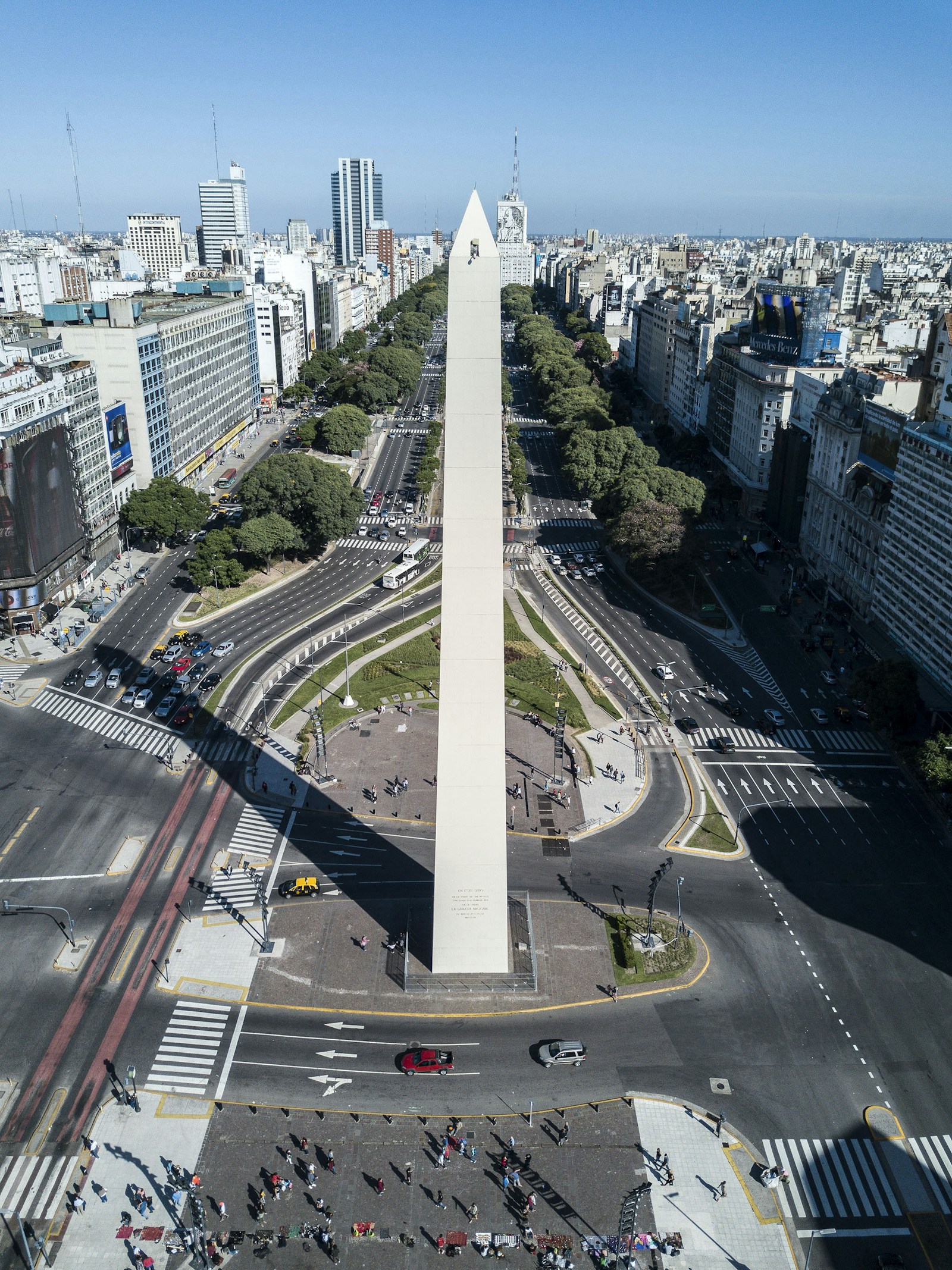
9. Obelisco de Buenos Aires
The Obelisco is a national historic monument and iconic landmark located in the Plaza de la República, at the intersection of Corrientes and 9 de Julio avenues. It commemorates the founding of the city and has been the site of many celebrations and protests. While you can't go inside, it's a must-see for its historical significance and a great spot to capture the grandeur of Avenida 9 de Julio. It's very easy to spot from many parts of the city center.
10. Casa Rosada
The Casa Rosada, or the 'Pink House,' is the official seat of the President of Argentina and a symbol of Argentine politics. Located in Plaza de Mayo, its distinctive pink facade and historic balcony (famously used by Eva Perón) make it a key landmark. While access inside can be restricted, visitors can often explore the museum within the building. Check the official website for tour availability and schedules.
11. Plaza de Mayo
Plaza de Mayo is the oldest public square in Buenos Aires and the heart of Argentina's political life. Surrounded by historical buildings like the Casa Rosada, the Metropolitan Cathedral, and the Cabildo, it has been the site of many pivotal events in Argentine history. Take time to observe the Mothers of the Plaza de Mayo monument and understand its significance. It's a central point from which to explore surrounding historical sites.
FAQs
What is the best way to get around between these places?
Buenos Aires has an excellent public transportation system including subways (Subte), buses (colectivos), and taxis. For convenient travel, purchase a SUBE card for public transport. Many of the central attractions are also walkable. Consider using ride - sharing apps like Uber or Cabify for longer distances or late at night.Are guided tours recommended for any of these attractions?
Yes, guided tours are highly recommended for places like Recoleta Cemetery and Teatro Colón to fully appreciate their history and architecture. For San Telmo Market, a guided tour can help you navigate the vast offerings, though it's also enjoyable to explore independently. Many free walking tours also cover areas like La Boca and San Telmo.What are the typical operating hours for museums and attractions?
Most museums and attractions in Buenos Aires generally open around 10:00 AM and close between 5:00 PM and 7:00 PM. Many are closed on Mondays. It's always a good idea to check the official website of each specific attraction for their current operating hours and any special closures.Is it safe to visit La Boca and Caminito?
La Boca and Caminito are vibrant and popular tourist areas, but like any bustling city, it's important to be aware of your surroundings. It's recommended to visit during daylight hours and stick to the well - trafficked tourist areas. Avoid walking alone in isolated streets, especially after dark. Always keep an eye on your belongings.What is the best time of year to visit Buenos Aires to see these places?
The shoulder seasons (spring: September - November, and autumn: March - May) offer the most pleasant weather for exploring Buenos Aires. Temperatures are mild, and there are fewer crowds compared to the peak summer months. Winter (June - August) is also a good option if you don't mind cooler temperatures, and the city is quieter.


