
Best Time to Visit
Best Time to Visit Greece: Month-by-Month Guide
The honest month-by-month guide to Greece — weather, crowds, ferry schedules, and the windows when the country gives you everything you came for at half the August price.
The short answer
Go in the last week of May, the first half of June, or all of September. The sea is warm, the ferries run their full summer schedule, every restaurant on the islands is open, and prices are roughly 30 to 40 percent lower than the mid-July to mid-August peak. Crowds at the headline sites, including Santorini and Mykonos, drop by more than half.
July and August are not the wrong months for Greece, but they are the most expensive and the hottest. Plan around early starts, afternoon naps, and pre-booked everything. October is the secret end-of-season window for the southern Aegean and Crete, with warm sea well into the month.
Month by month
January and February. Cool, often rainy. 12 degrees average in Athens, 14 on Crete. Mainland sites and museums are quiet and cheap; islands are mostly closed. Great for a long weekend in Athens or Thessaloniki.
March and April. Mild and green. Wildflowers across the Peloponnese and Crete. Easter is the major event and worth planning around for the candlelit midnight services. Sea is too cold for most swimmers.
May. The first big shoulder window. Daytime highs reach 23 degrees by month end, the sea starts to warm, and the second half of the month brings full ferry schedules. Late May is one of the best weeks in the calendar.
June. Warm (around 28 degrees), long daylight hours, sea at 22 to 23 degrees. The first two weeks are still shoulder; from mid-month, prices climb. Excellent for hiking on the smaller Cyclades and for the Mani in the Peloponnese.
July and August. Hot (30 to 35 degrees, higher on some islands), busy, expensive. Meltemi winds across the Aegean are common, which keeps temperatures tolerable but can cancel small ferry runs. Book everything ahead.
September. The single best month for a mixed itinerary. Sea at 25 degrees, fewer crowds, prices drop 20 to 30 percent from mid-month. The light is the soft golden quality every photographer travels for.
October. Quieter still. First half is almost summer in the southern Aegean and Crete; second half turns autumnal on the mainland. Many islands begin to wind down after the 15th.
November and December. Mainland weather becomes coastal European. Athens and Thessaloniki are lovely for city breaks. Most island businesses are closed. Christmas and New Year are festive in Athens with cheaper flights from most of Europe.
When to visit which island
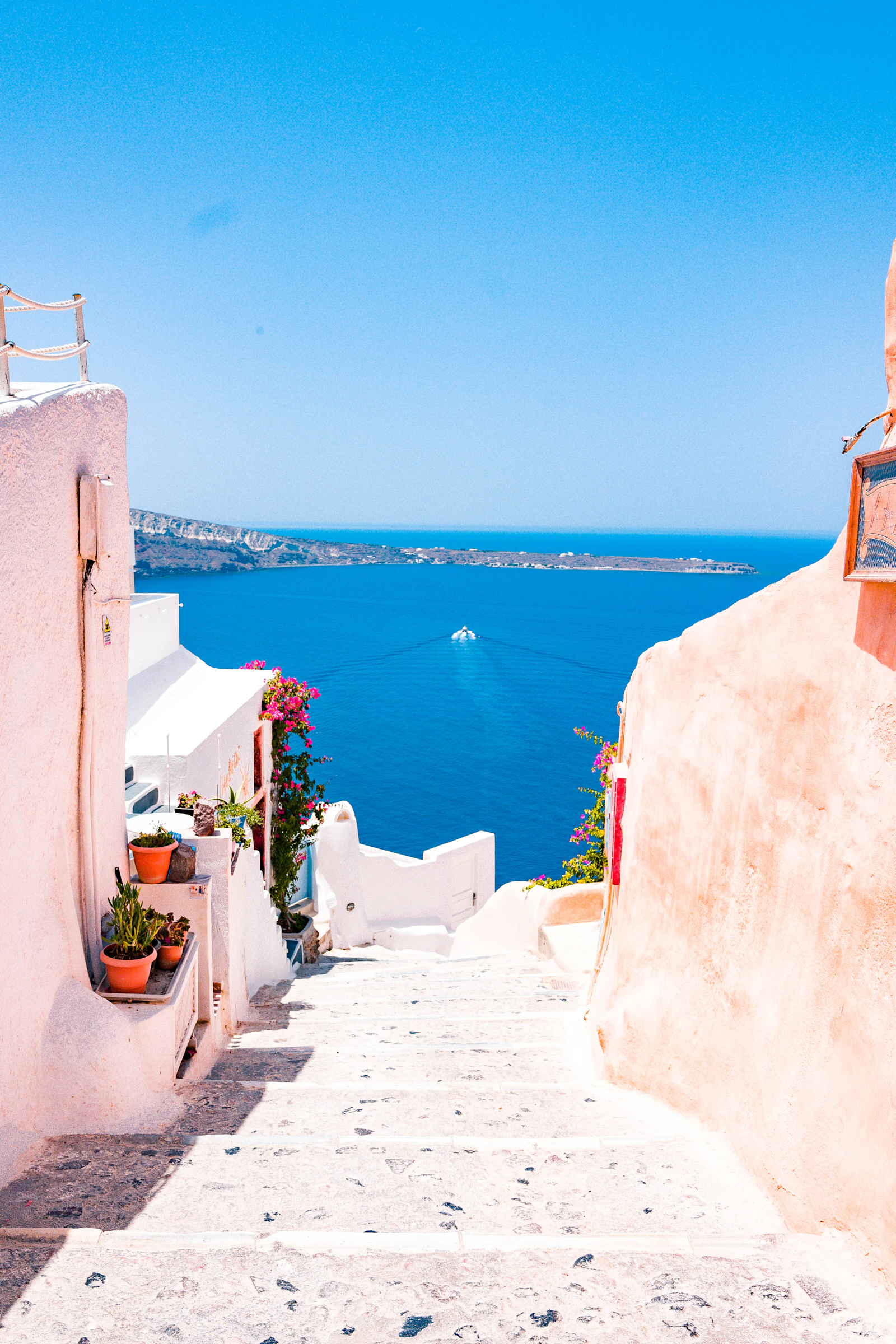
The Cyclades (Santorini, Mykonos, Naxos, Paros, Milos) shine from late May to early October. Outside this window, ferry schedules thin and many restaurants close. June and September are the right windows; July and August are the ones to plan around carefully.
The Dodecanese (Rhodes, Symi, Kos) and the Ionian (Corfu, Lefkada, Kefalonia) share a similar season but stay open a few weeks longer either side, into mid-October and from early May.
Crete is the year-round option. Beaches are at their best from May through October; the mountains and inland villages are at their best in spring (wildflowers) and autumn (food and wine harvest).
Festivals worth timing your trip around
Greek Orthodox Easter (date moves; usually April or early May) is the biggest cultural event of the year. Smaller islands like Patmos, Hydra, and Folegandros put on remarkable midnight services and feast-day meals the following day. Book accommodation three to four months ahead.
The Athens and Epidaurus Festival (June to August) brings opera, theatre, and concerts to the ancient Odeon of Herodes Atticus. Buy tickets two to four weeks ahead.
The August 15th Assumption holiday is the biggest domestic travel weekend of the year. Avoid moving between islands on that date.
Weather and crowd snapshot
| Month | Avg high | Sea | Crowds | Notes |
|---|---|---|---|---|
| Jan | 12°C | 15°C | Low | Athens great; islands mostly closed |
| Apr | 20°C | 17°C | Low–med | Wildflowers, Easter window |
| May | 25°C | 20°C | Medium | Best value shoulder; book mid-month |
| Jun | 28°C | 23°C | Med–high | Full ferry schedule, warm sea |
| Aug | 33°C | 26°C | Peak | Expensive, crowded, book ahead |
| Sep | 28°C | 25°C | Medium | The sweet spot for mixed trips |
| Oct | 23°C | 22°C | Low | Sea still warm; second half quieter |
| Dec | 14°C | 16°C | Low | Athens city break season |
Planning the trip around the timing
For a one-week trip, base in one island plus Athens. For two weeks, add one more island or pair an island week with a Peloponnese road trip. Our destinations hub covers the main regions and the smaller-island combinations worth considering.
For a route-level look at moving between Athens, the Peloponnese, and the islands by train, bus, and ferry, see our route guides. For typical daily spends, our trip cost guides show three travel tiers from backpacker to luxury.
The short version
- Best windows: late May to mid-June, and all of September.
- Avoid mid-July to mid-August unless you book months ahead and accept the prices.
- The sea stays warm through October across the southern Aegean and Crete.
- Most island businesses close from mid-October to mid-May; mainland Greece is year round.
- Plan around Orthodox Easter and the 15 August holiday weekend.
FAQs
What is the best month to visit Greece?
Late May to mid - June and all of September are the sweet spots. Sea temperatures are above 22 degrees, ferries run on full summer schedules, and prices are 30 to 40 percent below the peak. July and August are hotter, more crowded, and more expensive.When is the sea warm enough to swim?
From late May the Aegean climbs through the low twenties; by August it reaches 26 degrees and stays warm through October. Even in late October the southern Aegean is comfortable for most swimmers.Are the islands open in winter?
Most island businesses close from mid October to mid May, especially on small Cyclades islands. Crete, Rhodes, and Corfu stay partly open year round. Athens and the mainland are excellent winter destinations and noticeably cheaper.When should I avoid Greece?
Mid - July to mid - August if crowds and prices are your main concern. January and February on the smaller islands, when most restaurants and ferries are paused. Easter week brings local crowds but is also a beautiful cultural moment if you plan around it.How far ahead should I book ferries?
For July and August, book the big ferry routes (Athens to Santorini, Mykonos, Naxos, and Paros) at least eight weeks ahead. In June and September, two to three weeks is enough. Outside summer, book a few days out as schedules are reduced.


