
Destinations
Top Places to Visit in Kyoto, Japan
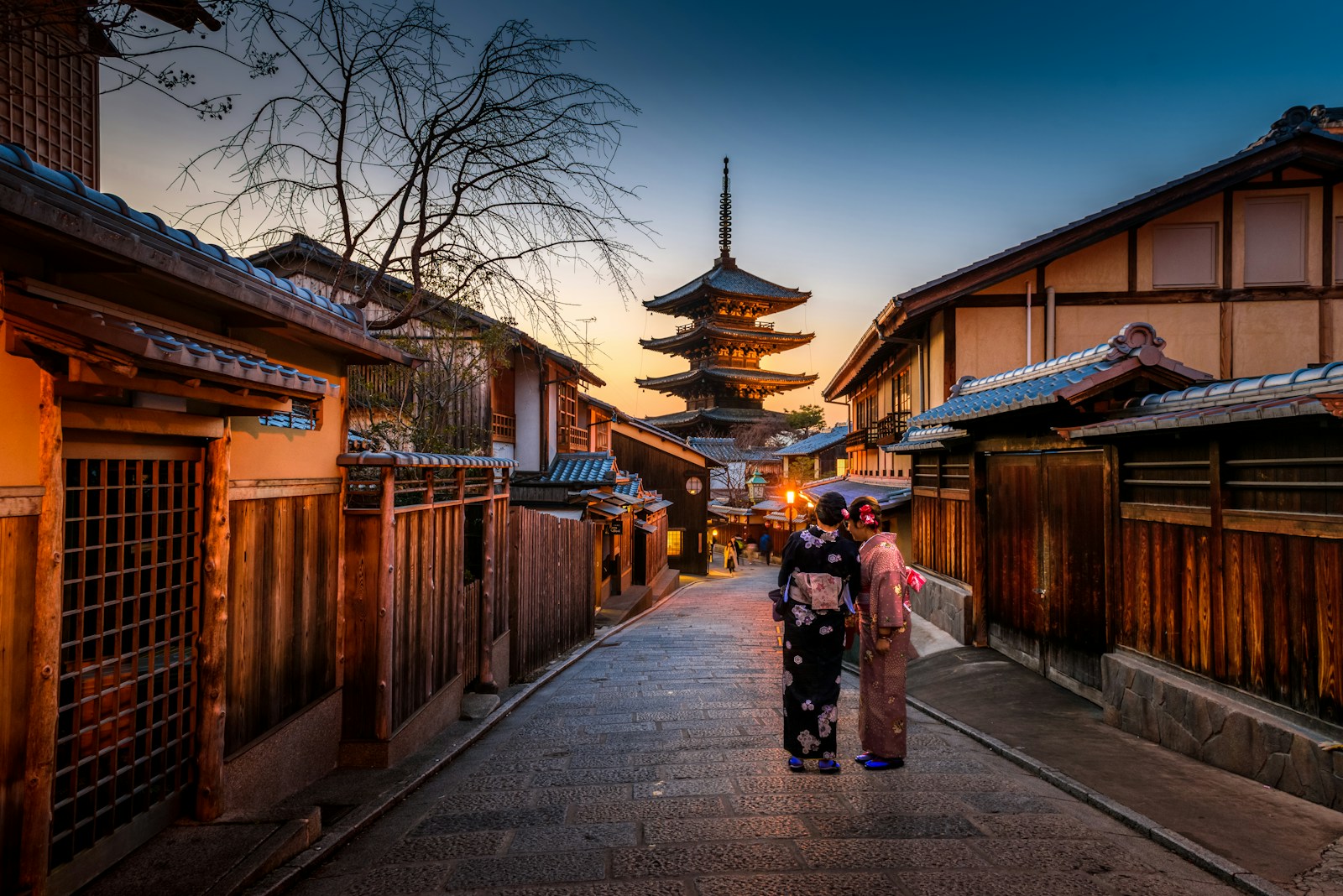
Japan's cultural heart, best explored on foot through Gion and Higashiyama.
Top places to visit in Kyoto
Kyoto, Japan's imperial capital for over a millennium, is a city where ancient traditions seamlessly blend with modern life. From serene Zen gardens to majestic temples and bustling geisha districts, Kyoto offers a unique glimpse into Japan's rich cultural heritage. This curated list highlights the top places every tourist should experience to truly capture the essence of this enchanting city.
1. Kiyomizu-dera Temple
Kiyomizu-dera is a stunning Buddhist temple renowned for its wooden stage that juts out from the main hall, offering breathtaking panoramic views of Kyoto, especially during cherry blossom and autumn foliage seasons. The temple, part of the Historic Monuments of Ancient Kyoto UNESCO World Heritage Site, features a unique construction method without the use of a single nail. Visitors can drink from the Otowa Waterfall, believed to grant wishes for longevity, success in studies, or a fortunate love life. Arrive early in the morning to avoid the largest crowds and experience a more tranquil atmosphere.
2. Fushimi Inari-taisha
Fushimi Inari-taisha is a shrine dedicated to Inari, the Shinto god of rice, and is famous for its mesmerizing path of thousands of vibrant orange torii gates that wind through the sacred forest of Mount Inari. Donated by individuals and companies, each gate bears the name of its benefactor, creating a captivating tunnel effect. Exploring the entire trail to the summit can take several hours, offering various smaller shrines and serene viewpoints along the way. Be sure to wear comfortable shoes as there is a fair amount of walking and uphill climbing involved.
3. Arashiyama Bamboo Grove
Step into the ethereal beauty of the Arashiyama Bamboo Grove, one of Kyoto's most iconic natural sights. Soaring bamboo stalks create a dense, verdant canopy, and the rustling leaves produce a unique, soothing sound often described as otherworldly. The main path through the grove is relatively short, but the surrounding Arashiyama district offers many other attractions, including Tenryu-ji Temple and the Togetsukyo Bridge. Visit early in the morning, right after sunrise, to experience the grove in relative solitude and capture stunning photographs without crowds.
4. Kinkaku-ji (Golden Pavilion)
Kinkaku-ji, also known as the Golden Pavilion, is a magnificent Zen Buddhist temple completely covered in shimmering gold leaf, reflecting beautifully in the pond before it. Originally a villa for a powerful shogun, it was converted into a temple after his death. The current structure is a reconstruction, as the original was burned down in 1950. Stroll through the meticulously maintained gardens and admire the intricate details of the pavilion from various viewpoints. The best time to visit is on a clear sunny day when the golden exterior reflects most brilliantly.
5. Gion District
Gion is Kyoto's most famous geisha district, an enchanting area characterized by traditional wooden machiya houses, exclusive teahouses, and upscale restaurants. It’s a captivating place to wander, especially during the early evening, with a chance to spot geiko (Kyoto dialect for geisha) and maiko (apprentice geisha) gracefully making their way to appointments. The Shirakawa Area, with its picturesque canal and willow trees, is particularly beautiful. Remember to be respectful and refrain from directly approaching or photographing geiko and maiko without permission.
6. Nijo Castle
Nijo Castle is a spectacular example of feudal Japan's castle architecture, built as the Kyoto residence of the Tokugawa shoguns. This UNESCO World Heritage site features impressive stone walls, moats, and the ornate Ninomaru Palace, famous for its 'nightingale floors' that squeak to warn of intruders. Explore the beautifully landscaped gardens, which change dramatically with the seasons. Allow at least two hours to fully appreciate the castle's history and intricate details, including the stunning fusuma (sliding door) paintings.
7. Kyoto National Museum
The Kyoto National Museum is one of Japan's oldest and most distinguished museums, renowned for its extensive collection of pre-modern Japanese and Asian art. Housed in a striking red-brick building, it features rotating exhibitions showcasing exquisite ceramics, archaeological artifacts, textiles, and Buddhist sculptures. It serves as a fantastic introduction to the rich artistic heritage of the region. Check their official website for current exhibitions and opening hours, as they often have special displays that require separate tickets.
8. Nishiki Market
Nishiki Market, often called 'Kyoto's Kitchen,' is a lively and narrow shopping street spanning several blocks, offering a diverse array of fresh seafood, local produce, traditional sweets, pickles, and kitchenware. It's a fantastic place to sample local delicacies, observe traditional food preparation, and soak in the vibrant atmosphere. Many stalls offer free samples, allowing you to taste various regional specialties. Be prepared for crowds, especially on weekends, and try to visit during lunchtime for the most bustling experience.
9. Philosopher's Path
The Philosopher's Path, or Tetsugaku no Michi, is a charming stone path that follows a canal lined with hundreds of cherry trees, a true spectacle during spring. The path takes its name from Nishida Kitaro, a famous Japanese philosopher, who was said to meditate while walking this route. Along the way, you'll encounter several smaller temples and shrines, as well as cafes and boutiques. It's a peaceful walk, perfect for a leisurely stroll, and particularly beautiful during the cherry blossom season in early April, though can be crowded then.
10. Heian Jingu Shrine
Heian Jingu Shrine is a relatively modern Shinto shrine, built in 1895 to commemorate the 1100th anniversary of Kyoto's foundation as the capital. It's notable for its vibrant vermilion torii gate, one of the largest in Japan, and its expansive, meticulously kept gardens that are considered masterpieces of Japanese garden design. The main hall is a striking reproduction of the original Imperial Palace's audience hall. Plan your visit to include time exploring the beautiful gardens, especially in spring for cherry blossoms and early summer for irises.
11. Sanjūsangen-dō Temple
Sanjūsangen-dō Temple is truly awe-inspiring, housing a thousand life-sized statues of Kannon, the goddess of mercy, carved from wood and gilded. Each statue is slightly different, creating an impressive and unforgettable hall of deities. In the center stands a larger, seated Kannon, flanked by 28 guardian deities. The temple also hosts a traditional archery contest in January. Photography is not allowed inside the main hall, so be prepared to simply immerse yourself in the serene and powerful presence of the statues.
FAQs
What is the best time of year to visit Kyoto's attractions?
The best times to visit Kyoto are spring (March to May) for cherry blossoms and autumn (October to November) for vibrant fall foliage. Both seasons offer pleasant weather and stunning natural beauty. However, these are also peak tourist seasons, so expect larger crowds and higher accommodation prices.How do I get around between these attractions in Kyoto?
Kyoto has an excellent public transportation system, primarily relying on buses and subways. A one - day bus pass or a Kansai Thru Pass can be economical if you plan to visit many places. Taxis are also readily available, though more expensive. For Arashiyama and Fushimi Inari, trains are often the most convenient option.Are there any dress code requirements for visiting temples and shrines?
While there isn't a strict dress code for most temples and shrines, it's respectful to dress modestly. Avoid overly revealing clothing. Also, you will often be asked to remove your shoes before entering temple halls, so easy - to - remove footwear is advisable.Is it safe to walk around Kyoto, especially in the evening?
Kyoto is generally a very safe city, even at night. Most tourist areas are well - lit and frequented by locals and visitors alike. However, as with any city, it's always wise to be aware of your surroundings and take standard precautions, especially in crowded areas like markets.Can I buy tickets for multiple attractions in advance or as a bundle?
Generally, most attractions in Kyoto require individual entrance fees paid upon arrival. There aren't many combined passes for the specific temples and shrines listed. However, some special exhibitions at places like the Kyoto National Museum might offer online advance tickets. It's best to check individual attraction websites for details.What are the typical opening and closing times for most temples and shrines?
Most temples and shrines in Kyoto typically open around 8:30 AM or 9:00 AM and close between 4:30 PM and 5:00 PM. Last entry is usually 30 minutes before closing. Always check the specific opening hours for each attraction you plan to visit, as they can vary and may change due to holidays or special events.


