
Destinations
Marrakech, Morocco: Souks, Riads & Desert Escapes
A sensory-overload city where medieval medinas meet the Atlas Mountains.
Overview of Marrakech
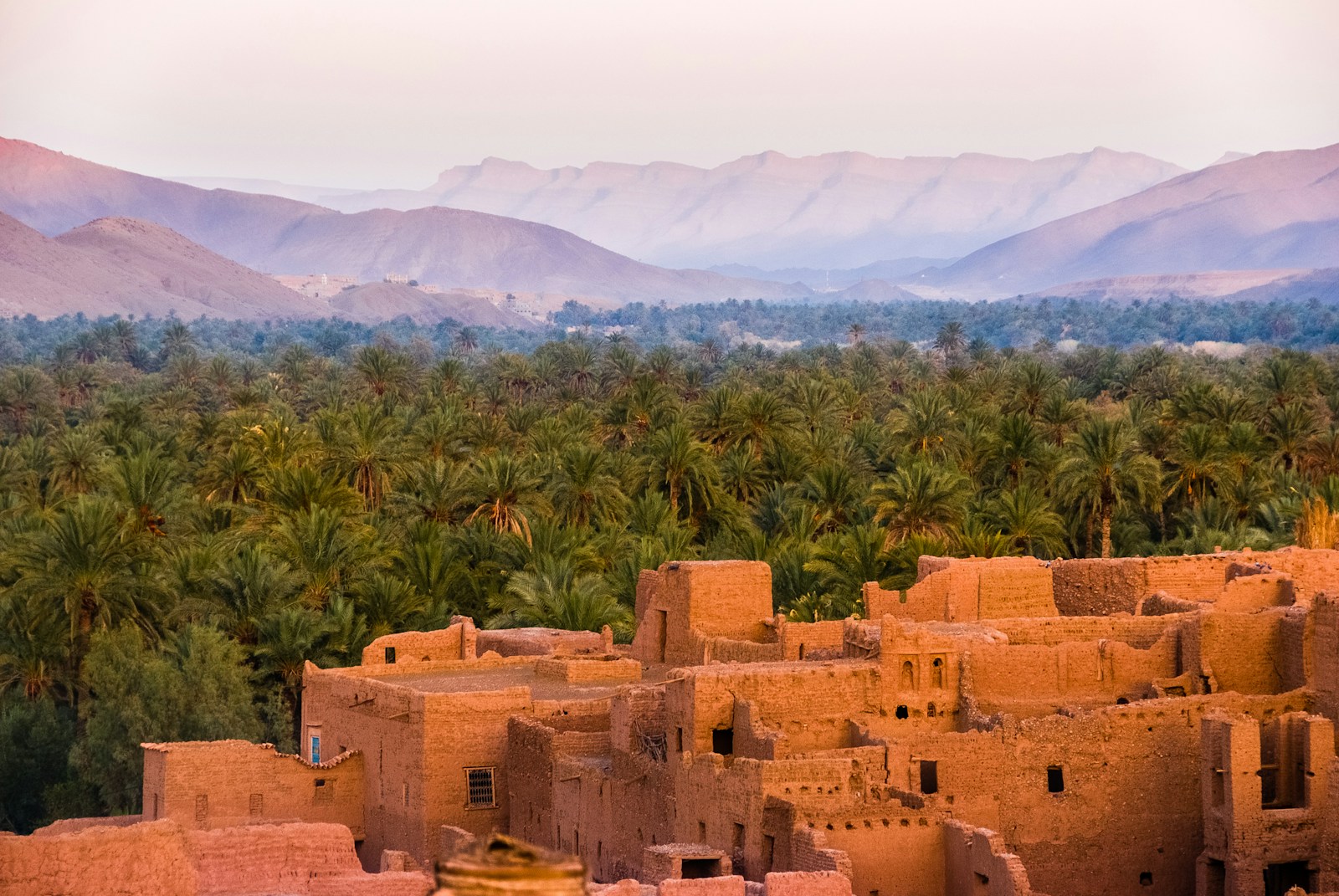
Marrakech, one of Morocco's four imperial cities, is a captivating blend of ancient traditions and modern energy. Known as the "Red City" due to its distinctive rose-hued buildings, Marrakech is a feast for the senses, offering bustling souks, fragrant gardens, and magnificent palaces. Its vibrant culture, rich history, and warm hospitality make it a must-visit destination for any traveler.
At its heart is Djemaa el-Fna, a UNESCO World Heritage site and a theatrical square that comes alive at dusk with storytellers, musicians, and food stalls. Beyond the square, the city's labyrinthine medina reveals hidden riads, artisan workshops, and architectural marvels, inviting endless exploration.
Best Time to Visit Marrakech
The best time to visit Marrakech is during the spring (March to May) and autumn (September to November) months. During these periods, the weather is pleasantly warm, with average temperatures ranging from 68°F to 82°F (20°C to 28°C), making it ideal for exploring the city on foot.
Summers (June to August) can be intensely hot, with temperatures often exceeding 100°F (38°C), which can make sightseeing uncomfortable. Winters (December to February) are mild, but evenings can be chilly, and there's a higher chance of rain. However, winter offers fewer crowds and a more tranquil experience for those who don't mind cooler temperatures.
How to Get to Marrakech
Marrakech is well-connected internationally via Marrakech Menara Airport (RAK). Numerous airlines offer direct flights from major European cities, and some connections are available from other continents. The airport is located just 3 miles (5 km) southwest of the city center.
From the airport, you can reach the city center by grand taxi (around $10-$15 USD), petite taxi (cheaper if you can find one, but often not allowed to wait at the airport), or bus. The ALSA airport bus (Line 19) operates regularly and costs around $3-$4 USD for a one-way ticket, dropping you off at Djemaa el-Fna and other key locations.
Getting Around Marrakech
Getting around Marrakech is an experience in itself. The best way to explore the medina's narrow alleys is on foot. Be prepared for a lot of walking and wear comfortable shoes. For longer distances outside the medina, petite taxis are readily available and affordable. Always agree on a price or ensure the meter is used before starting your journey; a typical short ride within the city costs $2-$5 USD.
Horse-drawn carriages, known as caleches, offer a charming way to see the city's new town (Gueliz) and surrounding areas, especially in the evenings. For day trips to the Atlas Mountains or coastal towns, consider booking organized tours or hiring a private driver.
Where to Stay in Marrakech
Marrakech offers a diverse range of accommodation options to suit every budget and preference. For an authentic experience, consider staying in a riad within the medina. These traditional Moroccan guesthouses feature enclosed courtyards, often with a pool, and offer a tranquil escape from the bustling streets. Popular areas within the medina include Mouassine, Riad Laarouss, and Kennaria.
If you prefer more modern amenities and an active nightlife, the new town of Gueliz offers international hotel chains, stylish boutiques, and contemporary restaurants. For luxurious stays with extensive facilities, look for resorts in the Palmeraie, a palm oasis just outside the city center.
Top Things to Do in Marrakech
Marrakech is brimming with attractions and activities. Begin your exploration at Djemaa el-Fna, soaking in its unique atmosphere day and night. Wander through the vibrant souks, haggling for spices, leather goods, and handicrafts. Visit the stunning Bahia Palace and the historic El Badi Palace to marvel at their intricate architecture and rich history.
- Explore the peaceful Jardin Majorelle, with its iconic blue buildings and exotic plants.
- Discover the ancient history at the Ben Youssef Madrasa, an architectural masterpiece.
- Indulge in a traditional Moroccan hammam for a relaxing and rejuvenating experience.
- Take a cooking class to learn the secrets of Moroccan cuisine.
- Embark on a day trip to the Atlas Mountains or the coastal town of Essaouira.
Food & Drink in Marrakech
Moroccan cuisine is a highlight of any trip to Marrakech. Don't miss trying the national dish, tagine, a slow-cooked stew often made with chicken, lamb, or vegetables. Another staple is couscous, typically served on Fridays. Harira, a hearty lentil and tomato soup, is also popular, especially during Ramadan.
For a true local experience, dine at the food stalls in Djemaa el-Fna in the evening. Other must-try dishes include pastilla (a savory-sweet pastry), tangia (a lamb dish cooked in an urn), and flavorful Moroccan salads. Mint tea, the national drink, is offered everywhere as a sign of hospitality. Expect to pay around $5-$10 USD for a casual meal, while fine dining can range from $20-$40 USD per person.
Practical Tips for Travelers
When visiting Marrakech, it's advisable to dress modestly, especially when exploring religious sites or the medina, out of respect for local customs. Women may feel more comfortable with shoulders and knees covered. Be prepared for persistent touts and hawkers in the souks; a polite but firm "no, thank you" is usually sufficient. Always haggle when shopping in the souks, as it's part of the cultural experience.
Carry small denominations of Moroccan Dirham (MAD) for purchases, as not all vendors accept cards. Wi-Fi is widely available in hotels, riads, and many cafes. Stay hydrated, especially during warmer months, and drink bottled water. While Marrakech is generally safe, be aware of pickpockets in crowded areas and exercise caution when walking alone at night.
Top places to visit in Marrakech
- Djemaa el-Fna — The bustling heart of Marrakech, this UNESCO World Heritage square transforms at dusk into an open-air spectacle with storytellers, musicians, snake charmers, and countless food stalls. It's a vibrant sensory experience not to be missed.
- Jardin Majorelle — A stunning botanical garden designed by French artist Jacques Majorelle, later owned by Yves Saint Laurent. Famous for its vibrant 'Majorelle Blue' buildings, exotic plants, and tranquil atmosphere, it's a refreshing escape from the city's hustle.
- Bahia Palace — A 19th-century palace showcasing stunning examples of Moroccan and Islamic architecture with intricate mosaics, carved cedarwood, and lush courtyards. Explore its opulent rooms and gardens to glimpse the lavish lifestyle of its former inhabitants.
- Ben Youssef Madrasa — Once the largest Islamic college in North Africa, this historic madrasa now stands as a magnificent example of Moorish architecture. Admire its exquisite zellij tilework, carved stucco, and peaceful central courtyard.
- El Badi Palace — Meaning 'The Incomparable Palace', this ruined 16th-century palace was once a lavish complex with over 300 rooms, a vast courtyard, and a pool. While mostly in ruins, its scale and remaining elements hint at its former grandeur.
- The Souks — Lose yourself in the labyrinthine alleyways of Marrakech's traditional markets, where you can haggle for everything from spices and textiles to leather goods, pottery, and exquisite jewelry. It's a vibrant and immersive shopping experience.
- Koutoubia Mosque — The largest mosque in Marrakech, its iconic minaret is a landmark visible from miles around. While non-Muslims cannot enter, its impressive architecture and the surrounding gardens are a serene spot for contemplation and photography.
- Saadian Tombs — Hidden for centuries, these exquisite tombs date back to the 16th century and house the remains of Saadian sultans and their families. Their intricate decorations and peaceful garden setting offer a glimpse into a rich past.
- Menara Gardens — A large and tranquil garden complex with an iconic pavilion set against the backdrop of the Atlas Mountains. The reflective pool and olive groves provide a picturesque setting for a leisurely stroll and stunning photos.
FAQs
Is Marrakech safe for tourists?
Marrakech is generally safe for tourists. Like any major city, it's wise to be aware of your surroundings, especially in crowded areas like the souks and Djemaa el - Fna, where petty theft can occur. Exercise common sense and take precautions, such as safeguarding your valuables.What is the currency in Marrakech and can I use credit cards?
The official currency is the Moroccan Dirham (MAD). While major hotels and some restaurants accept credit cards, many smaller shops and stalls in the souks operate on a cash - only basis. It's always a good idea to carry small denominations of MAD for everyday purchases and tipping.Do I need a visa to visit Marrakech?
Visa requirements for Morocco vary by nationality. Many countries, including the US, Canada, EU member states, and others, do not require a visa for stays up to 90 days. It's essential to check the latest visa policies with your country's embassy or consulate before traveling.What is the dress code in Marrakech?
While there's no strict dress code for tourists, dressing modestly is recommended, especially when visiting religious sites or exploring the medina. Both men and women will find it more comfortable and respectful to cover shoulders and knees. Lightweight, breathable fabrics are ideal due to the warm climate.Can I drink tap water in Marrakech?
It is generally not recommended to drink tap water in Marrakech. Stick to bottled water, which is widely available and inexpensive. Be cautious with ice in drinks and avoid consuming uncooked fruits or vegetables that might have been washed with tap water if you have a sensitive stomach.Is English widely spoken in Marrakech?
While Arabic is the official language and Moroccan Arabic (Darija) is widely spoken, French is also very common, especially in tourist areas and among the older generation. English is increasingly understood in hotels, riads, and major tourist attractions, but learning a few basic Arabic or French phrases can enhance your experience.
Keep reading
Related articles
 Itinerary
Vietnam 2 Week Itinerary: North to South (2026)
A realistic 14-day Vietnam itinerary from Hanoi to Ho Chi Minh City — Ha Long Bay, Hoi An, the Reunification Express, costs, and current visa rules.
 Blog
BlogWhere to Travel in July 2026: 10 Quieter Picks
Ten destinations where July still feels manageable — northern Europe, Atlantic islands, and a couple of off-season bargains in the south.
 Route Guide
Tokyo to Kyoto: The Complete Route Guide
Compare the Shinkansen, buses, and scenic detours between Japan's two most iconic cities.
Get weekly route guides and smarter travel tips.
One short email a week. New routes, fresh itineraries, and the practical stuff guidebooks miss.
No spam. Unsubscribe anytime.