
Destinations
Top Places to Visit in Cusco, Peru
Altitude, Inca stonework, and the base camp for Machu Picchu and the Sacred Valley.
Top places to visit in Cusco
Cusco, the historic capital of the Inca Empire, is a city brimming with archaeological wonders, colonial charm, and a vibrant cultural scene. Nestled high in the Andes, it serves as the gateway to Machu Picchu and offers a captivating blend of ancient history and modern Peruvian life. Explore its cobblestone streets, marvel at its intricate stonework, and immerse yourself in the rich heritage of this UNESCO World Heritage city.
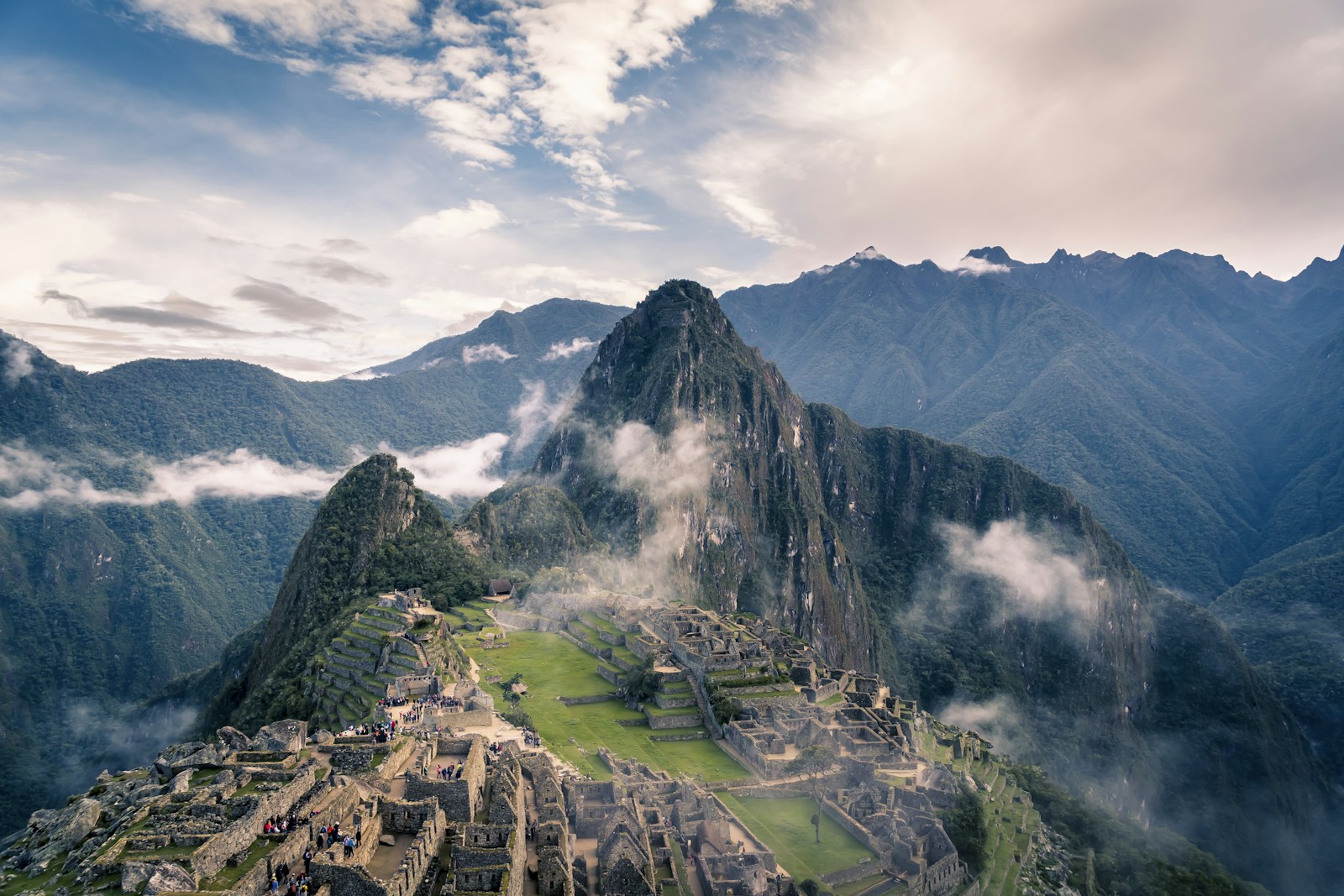
1. Machu Picchu
Often referred to as the 'Lost City of the Incas,' Machu Picchu is an astonishing 15th - century Inca citadel set high in the Andes Mountains. This UNESCO World Heritage site is a testament to the Inca's architectural prowess and astronomical knowledge. Visitors can explore the temples, terraces, and living quarters, marveling at the ingenious construction and the breathtaking panoramic views. To make the most of your visit, consider taking an early morning bus from Aguas Calientes to catch the sunrise over the ruins.
2. Sacsayhuamán
Overlooking the city of Cusco, Sacsayhuamán is a vast Inca fortress complex renowned for its colossal dry - stone walls, featuring meticulously cut and fitted boulders without mortar. This impressive site served both military and ceremonial purposes, offering commanding views of the city below. Visitors can easily reach Sacsayhuamán by a short taxi ride or a challenging, yet rewarding, uphill walk from Cusco's main square, allowing for magnificent photo opportunities and a sense of ancient power.
3. Qorikancha and Convento de Santo Domingo
The Qorikancha, meaning 'Golden Courtyard,' was once the most important temple in the Inca Empire, dedicated to the sun god Inti. Following the Spanish conquest, the Convento de Santo Domingo was built directly upon its foundations, creating a unique blend of Inca and colonial architecture. Exploring this site reveals incredible Inca stonework integrated with Spanish religious art, offering a fascinating glimpse into the clash and fusion of two powerful cultures. Be sure to visit both the museum on site and the church itself to fully appreciate the layers of history.
4. Pisac Market and Ruins
Located in the Sacred Valley, Pisac offers a vibrant traditional market, especially lively on Sundays, Tuesdays, and Thursdays, where local artisans sell textiles, ceramics, and other crafts. Above the town are the impressive Pisac Inca ruins, featuring agricultural terraces, a ceremonial center, and a sun temple. A visit to Pisac provides an excellent opportunity to experience local culture and explore a significant Inca site, with breathtaking views of the valley. Plan to arrive early for the market to avoid crowds and get the best selection.
5. Ollantaytambo
Ollantaytambo is a unique Inca archaeological site and a living Inca town in the Sacred Valley, known for its well - preserved Inca terracing and a formidable fortress. This strategic site was built by Emperor Pachacuti and served as a royal estate and a ceremonial center. Wander through the narrow cobblestone streets, explore the impressive temple and agricultural terraces, and observe the water channels that still function today. It's often a stop for those heading to or from Machu Picchu, serving as an excellent example of Inca town planning and engineering.
6. Chinchero
Perched on a high plain with stunning views of the Sacred Valley and the snow - capped Andes, Chinchero is a traditional Andean village known for its vibrant Sunday market and its exquisite hand - woven textiles. Visitors can witness traditional weaving demonstrations, where ancient techniques are still used to create colorful fabrics. The village also boasts impressive Inca ruins and a colonial church built on Inca foundations. This offers a more authentic and less touristy market experience compared to Pisac, ideal for finding unique souvenirs.
7. Salineras de Maras (Maras Salt Mines)
The Maras Salt Mines are an extraordinary sight, comprising thousands of small white salt pans terraced into the mountainside. These salt pans have been used since Inca times, fed by a natural spring of highly salty water. Witnessing the traditional salt harvesting process and the breathtaking visual spectacle of the salt ponds is a unique experience. While you can't walk directly into the salt pans anymore to protect the delicate ecosystem, designated viewpoints offer fantastic photo opportunities and a chance to buy local artisanal salt products.
8. Moray
Moray is an intriguing Inca archaeological site consisting of several enormous terraced circular depressions, resembling amphitheaters. It's believed that these unique structures served as an agricultural laboratory, allowing the Incas to experiment with different crops and microclimates. The precise engineering and the unique temperature variations within each terrace are fascinating to observe. Combining a visit to Moray with the Maras Salt Mines makes for a rewarding half - day trip from Cusco.
9. Plaza de Armas (Main Square)
Cusco's Plaza de Armas is the vibrant heart of the city, surrounded by stunning colonial arcades, the magnificent Cusco Cathedral, and the Church of La Compañía de Jesús. This bustling square was once the site of important Inca ceremonies and continues to be a central gathering place. Relax on a bench, people - watch, and admire the architectural grandeur, especially beautiful when illuminated at night. Many restaurants and cafes with balconies offer excellent views and a chance to soak in the atmosphere.
10. San Blas Neighborhood
The picturesque San Blas neighborhood, known as the 'Artisan's Quarter,' is a charming area of narrow, winding cobblestone streets, white - washed houses, and artisan workshops. It's famous for its bohemian atmosphere, unique galleries, and the San Blas Church, which houses a beautiful carved wooden pulpit. Exploring San Blas is a delight; you'll find independent artists crafting and selling their goods, alongside cozy cafes and restaurants. Be prepared for steep climbs, but the views and artistic finds are well worth the effort.
11. San Pedro Market
The San Pedro Market is a bustling, authentic Peruvian market offering a sensory overload of sights, sounds, and smells. Here, you can find everything from fresh produce, meats, and cheeses to local handicrafts, shamanistic potions, and delicious street food. It's an excellent place to experience daily life in Cusco and sample local delicacies while interacting with vendors. Be sure to try a fresh fruit juice or a traditional empanada, but always be mindful of your belongings in crowded areas.
12. Arco de Santa Clara (Santa Clara Archway)
The Arco de Santa Clara is a beautiful colonial archway that stands as a historic gateway in Cusco, connecting the main thoroughfare to the San Pedro Market area. This elegant arch, built in the 17th century, offers a picturesque backdrop for photos and a glimpse into the city's architectural past. It's a charming landmark to pass through as you explore the western side of the historic center, often adorned with colorful flags during local festivities.
13. Cristo Blanco (White Christ Statue)
Perched on a hill overlooking Cusco, the Cristo Blanco is a large white statue of Christ, reminiscent of Rio de Janeiro's Christ the Redeemer. It offers unparalleled panoramic views of the city, the surrounding mountains, and the valley below, especially stunning at sunset. Easily accessible by taxi or a moderate hike from Sacsayhuamán, it's a perfect spot for reflection and capturing memorable photographs of the entire city spread out before you. There's no entrance fee, making it an accessible viewpoint for all.
FAQs
What is the best time of year to visit Cusco and its archaeological sites?
The best time to visit Peru, and consequently Cusco and its surrounding sites, is generally during the dry season, which runs from May to October. This period offers clearer skies and less rainfall, making hiking and exploring outdoor ruins more pleasant. However, it's also the peak tourist season, so expect larger crowds and higher prices for accommodation and tours. Shoulder seasons (April, November) can offer a good balance of weather and fewer tourists.Do I need a special ticket to visit the Inca ruins around Cusco?
Yes, many of the Inca ruins around Cusco, including Sacsayhuamán, Qorikancha, Pisac, Ollantaytambo, Chinchero, and Moray, require a Cusco Tourist Ticket (Boleto Turístico del Cusco). This ticket allows entry to multiple sites and is a cost - effective way to explore the region. You can purchase it at the main office in Cusco (Av. El Sol 103) or at the entrance of the first site you visit. Machu Picchu requires a separate entrance ticket, which should be booked well in advance, especially during peak season. You can learn more about travel costs in Peru.How can I get around between the various sites in (and around) Cusco?
For sites within Cusco, such as the Plaza de Armas and the San Blas neighborhood, walking is the best way to explore. For Sacsayhuamán and Cristo Blanco, you can take a local taxi or walk uphill. To visit sites in the Sacred Valley like Pisac, Ollantaytambo, Maras, and Moray, you have several options: hire a private taxi for the day, join an organized tour, or use local buses/colectivos, which are a cheaper but less direct option. Rome2rio is a good resource for comparing transportation options.Is it safe to visit Cusco and the surrounding areas?
Cusco and its main tourist areas are generally safe, but like any popular tourist destination, it's wise to be aware of your surroundings and take precautions against petty theft, especially in crowded markets like San Pedro Market or on public transport. Avoid walking alone at night in poorly lit areas and keep valuables out of sight. When hiking, especially to remote ruins, consider hiring a reputable guide. Staying hydrated and watching out for altitude sickness are also important safety considerations when traveling to high - altitude destinations. You can find more about how to avoid tourist scams.What should I do to avoid altitude sickness in Cusco?
Cusco is located at a high altitude (over 11,000 feet or 3,400 meters), so altitude sickness can be a concern. It's recommended to take it easy on your first day, avoid strenuous activity, and drink plenty of water or coca tea, which is readily available. Eating light meals and refraining from alcohol can also help. Diamox (acetazolamide) is a prescription medication that can help prevent altitude sickness, but consult your doctor before traveling. Give yourself at least 24 - 48 hours to acclimatize before attempting challenging hikes like the Inca Trail to Machu Picchu.


