
Destinations
Top Places to Visit in Seville, Spain
Moorish palaces, tapas crawls, and the most atmospheric old town in Andalusia.
Top places to visit in Seville
Seville, the vibrant capital of Andalusia, is a city steeped in history, culture, and flamenco. Its charming streets, magnificent architecture, and lively atmosphere make it a truly unforgettable destination. From intricate Moorish palaces to grand Gothic cathedrals, Seville offers a wealth of attractions for every traveler. This guide curates the top places you absolutely must visit to experience the authentic spirit of this captivating Spanish city.
1. Real Alcázar de Sevilla
The Royal Alcázar of Seville is a stunning palace complex, a prime example of Mudéjar architecture, and a UNESCO World Heritage site. Its intricate tilework, lush gardens, and ornate courtyards showcase centuries of Moorish and Christian influence. Visitors can explore the various palaces, including the Patio de las Doncellas and the Salón de Embajadores, then wander through the serene Jardines del Alcázar. To avoid long queues, book your tickets online well in advance, especially during peak season, which you can learn more about in our guide to the best time to visit Spain.
2. Seville Cathedral and Giralda
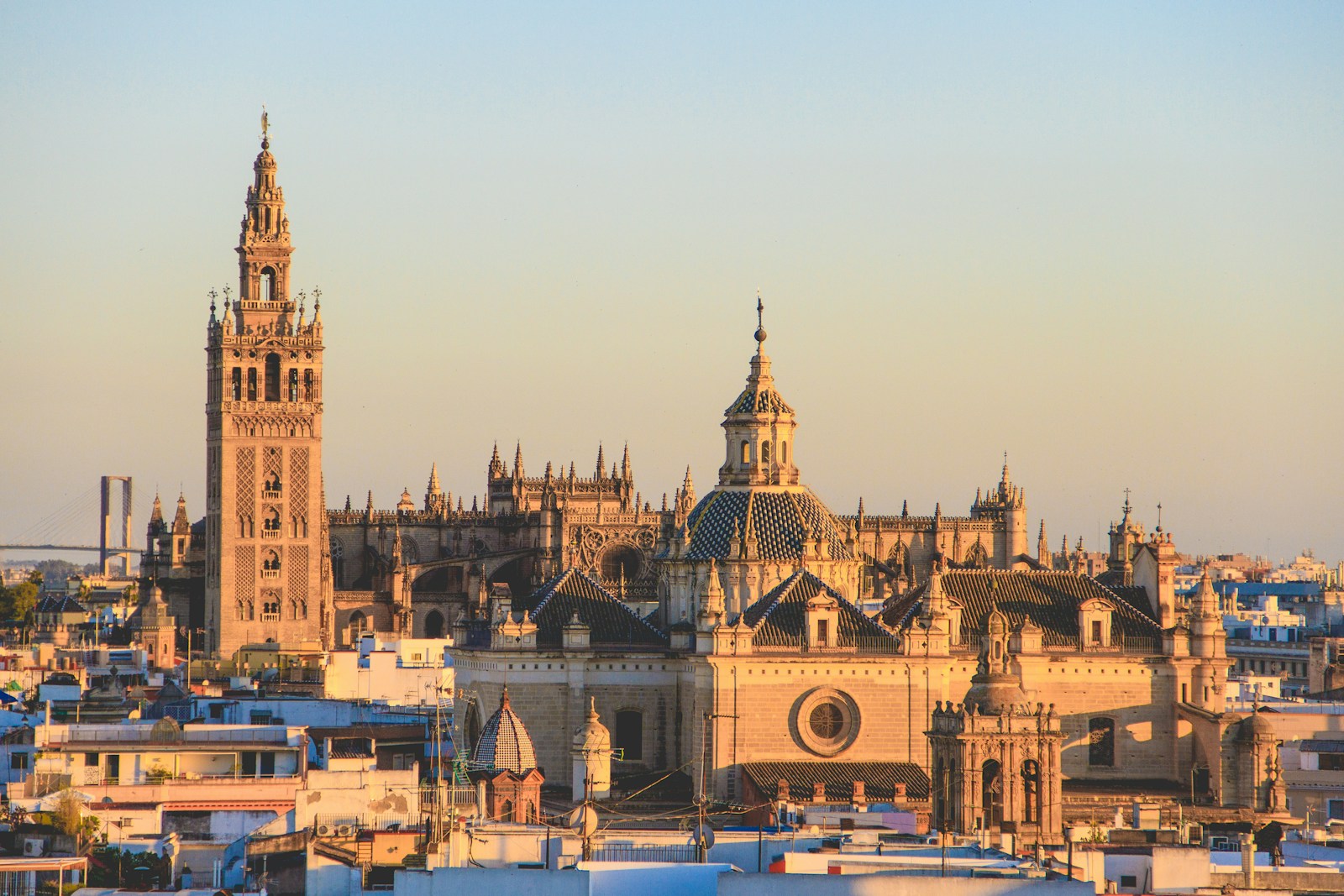
The Cathedral of Saint Mary of the See is the largest Gothic cathedral in the world and another UNESCO World Heritage site. It houses the tomb of Christopher Columbus and boasts an awe - inspiring interior. Adjacent to the cathedral is the Giralda, an iconic bell tower that was formerly the minaret of the mosque. Climb to the top for panoramic views of the city – it's a ramp, not stairs, making the ascent easier. Consider visiting early in the morning to beat the crowds and experience the tranquil beauty.
3. Barrio de Santa Cruz
The former Jewish Quarter, Barrio de Santa Cruz, is a labyrinth of narrow, winding streets, charming plazas, and whitewashed houses adorned with vibrant flowers. It's the perfect place to get lost and soak in the quintessential Sevillian atmosphere. You'll find numerous tapas bars, artisan shops, and hidden courtyards. Take your time to explore on foot, allowing serendipity to guide you. This historic neighborhood is particularly beautiful in the evening when the lamplit streets create a romantic ambiance.
4. Plaza de España
Plaza de España is a grand and semicircular plaza built for the Ibero - American Exposition of 1929. It features a stunning mix of Renaissance and Moorish revival architectural styles, a canal with charming bridges, and colorful ceramic - tiled alcoves representing different provinces of Spain. You can rent a rowboat to navigate the canal or simply admire the intricate details of the buildings. It's a popular spot for both tourists and locals, often hosting flamenco performances and street artists.
5. Parque de María Luisa
Adjoining the Plaza de España, Parque de María Luisa is Seville's most famous public park, a lush urban oasis filled with palm trees, orange groves, fountains, and monuments. It's an ideal spot for a leisurely stroll, a picnic, or simply relaxing after a day of sightseeing. Don't miss the picturesque Glorieta de Bécquer and the various tiled benches. Allow at least a couple of hours to fully appreciate the park's beauty and tranquility.
6. Triana Neighborhood
Located across the Guadalquivir River, the Triana neighborhood has a distinct identity, historically known for its ceramic industry, flamenco artists, and bullfighters. Today, it retains its authentic charm with bustling markets, traditional tapas bars, and a lively riverside promenade. Cross the beautiful Isabel II Bridge (Puente de Triana) to explore its streets. Visiting the Mercado de Triana offers a vibrant glimpse into local life and a chance to sample fresh produce and regional delicacies.
7. Metropol Parasol (Setas de Sevilla)
Affectionately known as 'Las Setas' (The Mushrooms) due to its unique shape, the Metropol Parasol is an impressive modern wooden structure offering panoramic views of Seville. It houses an archaeological museum in its basement and a viewpoint walk on its top. Visiting at sunset provides spectacular photo opportunities as the city lights begin to twinkle. The structure design features six large parasols inspired by the Seville Cathedral and the fig trees in Plaza de Cristo de Burgos. Tickets for the viewpoint are affordable and can be purchased on - site or online.
8. Barrio de la Macarena
Barrio de la Macarena is a more traditional and less touristy neighborhood, offering a glimpse into authentic Sevillian life. It's home to the Basílica de la Macarena, a significant church housing the Virgen de la Macarena, an important religious icon. Explore the Alameda de Hércules, a lively public square with restaurants and bars. While less central, it provides a quieter contrast to the bustling historic core and offers an insight into local customs and traditions.
9. Casa de Pilatos
Casa de Pilatos is an exquisite Andalusian palace mixing Mudéjar, Gothic, and Renaissance architectural styles, famed for its beautiful courtyards, extensive tilework, and art collection. It's considered a prototype of the Andalusian palace and offers a more intimate experience than the Alcázar. Take a guided tour to fully appreciate its history and architectural details. The palace boasts stunning gardens and intricate plasterwork, making it a feast for the eyes.
10. Experience a Flamenco Show
While not a single location, experiencing a flamenco show is an essential part of any visit to Seville, the birthplace of this passionate art form. Numerous 'tablaos' (flamenco venues) across the city offer authentic performances. Look for smaller, more intimate venues for a truly immersive experience, often found in neighborhoods like Triana. Book your tickets in advance, especially during high season, and arrive early to secure a good seat; some shows include dinner, but many are performance - only experiences.
11. Torre del Oro
The Torre del Oro, or 'Tower of Gold', is a historic dodecagonal military watchtower on the bank of the Guadalquivir River. It once served as a defensive barrier and later as a chapel, prison, and even a safe - house for gold imported from the Americas. Today, it houses a naval museum, offering insights into Seville's maritime history. Climb to the top for charming views of the river and the Triana Bridge. This landmark is particularly striking reflected in the river at sunset.
12. Sevilla Aquarium
The Sevilla Aquarium offers a fascinating journey through the aquatic life of the world, with a particular focus on the journey of Magellan's first circumnavigation of the Earth. It features a wide variety of marine species, including sharks, sea turtles, and various colorful fish. It's a great option for families and provides a refreshing break from the historical sites. Allow 2 - 3 hours for a complete visit. Tickets can be purchased online or at the entrance. Spain.info.
FAQs
What is the best way to get around Seville to see these attractions?
Most of Seville's major attractions, like the Alcázar, Cathedral, and Plaza de España, are within walking distance of each other in the city center. For longer distances, an excellent public transport system includes buses and a tram line. Taxis and ride - sharing services are also readily available, and a bike - sharing program (Sevici) is popular for exploring at a leisurely pace, especially around the park areas and along the river.Do I need to book tickets in advance for Seville's top attractions?
Yes, it is highly recommended to book tickets in advance for popular attractions like the Real Alcázar and Seville Cathedral, especially during peak season or holidays. This will save you significant waiting time and ensure your entry. Official attraction websites or reputable third - party sellers are the best places to purchase tickets. For a smoother experience, consider a city pass if you plan to visit many sites.What's the best time of year to visit Seville?
The best time to visit Seville is during spring (March to May) and autumn (September to November) when the weather is pleasant and temperatures are mild. Summers can be extremely hot, with temperatures often exceeding 40°C (104°F), making sightseeing uncomfortable. Winter is generally mild but can be rainy. Visiting in spring also allows you to experience famous festivals like Semana Santa and the Feria de Abril, though it's a busier time for tourists.Is Seville a safe city for tourists?
Seville is generally a very safe city for tourists. However, like any popular tourist destination, it's wise to be aware of your surroundings, especially in crowded areas. Pickpocketing can occur in busy places like the Cathedral or Plaza de España, so keep an eye on your belongings. When exploring at night, stick to well - lit areas and be mindful of your personal safety, especially if traveling solo. You can also review general travel safety tips to ensure a smooth trip.Can I visit all these places in a short trip, like a weekend?
While you can certainly get a taste of Seville's highlights on a weekend trip, visiting all the suggested places comprehensively would be challenging. For a more relaxed pace and to truly appreciate each site, aim for at least 3 - 4 full days. If you only have a weekend, prioritize 3 - 5 key attractions such as the Alcázar, Cathedral, and Plaza de España, and dedicate time to exploring one or two charming neighborhoods. For a longer stay, consider a 10 - day Spain itinerary that includes Seville.What are the typical opening hours for attractions?
Opening hours for attractions in Seville can vary widely, especially between seasons and on public holidays. Most major sites generally open between 9:00 AM and 10:00 AM and close between 6:00 PM and 8:00 PM. It's always best to check the official website of each specific attraction for the most current information before your visit. Some museums and smaller sites may also close for a siesta in the early afternoon, particularly outside of peak tourist seasons.


