
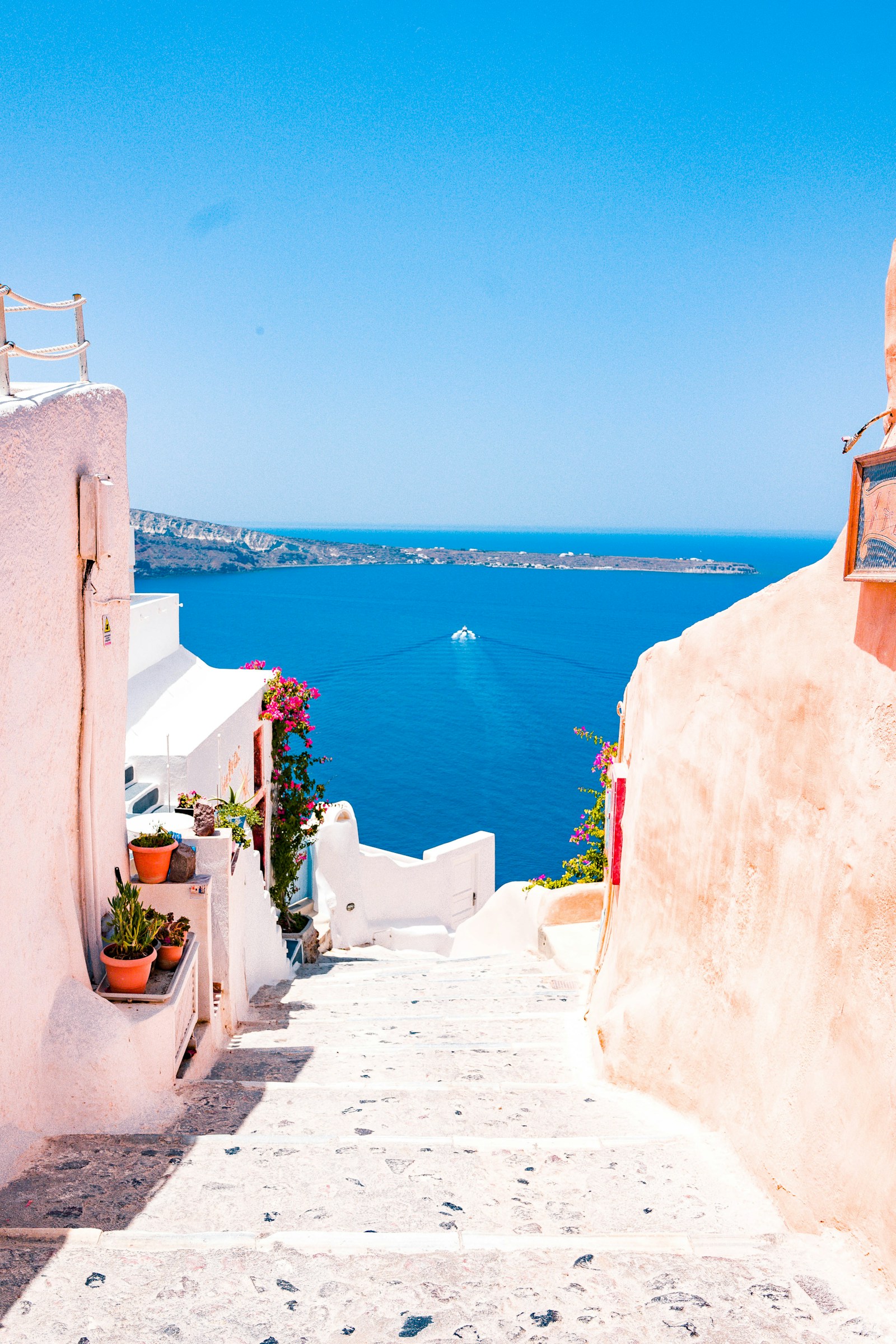
Best Time to Visit
Best Time to Visit Greece (2026 Month-by-Month Guide)
When ferries actually run, meltemi wind season, and the shoulder weeks with warm sea and no cruise-ship deluge.
Overview
Forget generic advice – the absolute sweet spot for Greece is late May to early June. You'll hit guaranteed sunshine and warm, swimmable seas across the islands, but crucially, you'll dodge the brutal mid - summer heat, cruise ship hordes, and inflated prices that descend from mid - June onwards. For mainland historical sites, October offers crisp air and vibrant autumn colors, a welcome reprieve from the scorching summer sun.
Climate at a glance
Greece boasts a classic Mediterranean climate, characterized by hot, dry summers and mild, wet winters. However, there's significant regional variation. The Aegean and Ionian islands experience strong 'Meltemi' winds in July and August, offering some relief from the heat but making ferry travel sometimes choppy. Mainland Greece, particularly inland and northern regions like Macedonia, sees hotter summers and colder winters, with snow common in mountainous areas. Rainfall is concentrated in the cooler months, with virtually no precipitation from June to August. Sea temperatures lag air temperatures, becoming truly inviting from late May through October.
Best windows
- Island Hopping Sweet Spot — Late May to early June. Ideal for island exploration: reliable sunshine, warm sea temperatures (20 - 23°C), and significantly fewer crowds than peak summer. All tourist infrastructure is fully operational.
- Mainland & Culture — Mid - September to Mid - October. Perfect for exploring Athens, Thessaloniki, and ancient sites. Temperatures are pleasant (20 - 25°C), crowds are thinning, and the autumn light is spectacular for photography. Sea still warm enough for swimming on the islands.
- Spring Blooms & History — Late April to Mid - May. The Athenian Riviera and Peloponnese burst into bloom, temperatures are mild (18 - 22°C), and archaeological sites are uncrowded. Sea is cooler (17 - 19°C), but good for coastal walks and early tanning.
Shoulder sweet spots
- Early September Island Bliss — Early September. Transition from peak season. Still very warm (26 - 29°C), sea is at its warmest (24°C+), but families are heading home and prices start to dip. Ferries run frequently.
- Late October Mainland Charm — Late October. Crisp, clear days on the mainland (17 - 21°C) are excellent for hiking or city breaks. Many island businesses start to close for winter, so focus on major hubs or larger islands like Crete.
- March Island Awakening — March. A gamble on weather (13 - 17°C, possibility of rain), but the islands are waking up. Enjoy peaceful villages, blooming wildflowers, and very low prices. Not for swimming, but great for hiking.
When to avoid
- Peak Summer Sweltering — Mid - July to Late August. Daytime temperatures regularly exceed 35°C on the mainland and islands. Crowds are at their absolute maximum, especially on popular islands like Santorini and Mykonos. Prices for flights and accommodation can be double or triple shoulder season rates.
- Winter Island Shutdown — November to February. Many smaller islands effectively close down with infrequent ferry services, limited restaurant options, and chilly, often rainy weather. Focus on Athens or Thessaloniki during this period.
- Easter Week Frenzy — Dates vary (late Apr/early May). Greek Orthodox Easter is a major holiday. Domestic travel spikes, especially to traditional villages and religious sites. Prices soar and accommodation is booked solid weeks in advance. If you're not participating, avoid.
Month by month
| Month | Weather | Crowds | Prices | Notes |
|---|---|---|---|---|
| Jan | Mild, wet — 12°C/7°C, 60mm rain. Snow in northern mountains. | Low – very quiet, especially on islands. | Low – best deals on flights and hotels. | Most island tourist infrastructure is closed. Focus on Athens or Thessaloniki for city breaks. |
| Feb | Cool, wet — 13°C/7°C, 50mm rain. Chilly winds. | Low – only major cities and some larger islands (Crete) have activity. | Low – excellent value for mainland exploration. | Carnival celebrations (Apokries) in Patras. Limited ferry schedules. |
| Mar | Cooler, brighter — 15°C/9°C, 40mm rain. Wildflowers emerge. | Low – beginning to stir, but still very peaceful. | Low – good value, particularly early in the month. | Independence Day (Mar 25) parades, school holidays in Greece. |
| Apr | Mild, pleasant — 19°C/12°C, 30mm rain. Spring blossoms. | Medium – builds towards Orthodox Easter; can be high if Easter falls late. | Mid – spikes around Easter; otherwise good value. | Orthodox Easter can fall in April or May, causing significant travel disruption and price hikes. |
| May | Warm, sunny — 24°C/16°C, 15mm rain. Seas warming to 20°C. | Medium – increasing steadily. First cruise ships arrive. | Mid – rising, but still reasonable compared to summer. | Flower festivals and village celebrations. All island businesses open. |
| Jun | Hot, dry — 29°C/20°C, 5mm rain. Sea 23°C+. | High – first wave of summer tourists, especially families. | High – summer prices kick in, especially on popular islands. | Santorini Music Festival begins. Longest daylight hours for sightseeing. |
| Jul | Very hot, dry — 32°C/23°C, almost no rain. Meltemi winds pick up. | Peak – islands are jammed, mainland archaeological sites scorching. | Peak – highest prices for everything. Book well in advance. | Athens & Epidaurus Festival. Significant ferry delays due to Meltemi winds. |
| Aug | Scorching, dry — 33°C/24°C, 0mm rain. Strong Meltemi on islands. | Peak – absolute maximum crowds, especially Italians on holiday (Ferragosto). | Peak – nearly impossible to find last - minute deals. Book 6+ months ahead. | Assumption Day (Aug 15) is a major religious holiday and travel spike. Many locals on vacation. |
| Sep | Warm, sunny — 28°C/20°C, 15mm rain. Sea 24°C+ (warmest). | High – begins to decrease towards month - end, but still busy. | High – slowly dropping, but still elevated from summer. | Harvest festivals (wine, olive oil) across the mainland. Best month for sea temps. |
| Oct | Mild, pleasant — 22°C/15°C, 30mm rain. Crisp air. | Medium – pleasant and thinning, especially on smaller islands. | Mid – good value returns for flights and hotels. | Ohi Day (Oct 28) national holiday. Many smaller island businesses close by month - end. |
| Nov | Cooler, wetter — 17°C/11°C, 50mm rain. Can be stormy. | Low – most islands are very quiet. Focus on cities. | Low – excellent deals for exploring Athens or Thessaloniki. | Saint Andrew's Day (Nov 30) in Patras. Ferry schedules drastically reduced. |
| Dec | Chilly, wet — 14°C/8°C, 70mm rain. Snow in mountains. | Low – quiet except for Christmas week in major cities. | Low – rising for Christmas/New Year week, otherwise very cheap. | Christmas markets in Athens and Thessaloniki. Many island hotels are shuttered. |
Festivals & events to plan around
- Greek Orthodox Easter (dates vary, late April/early May) — Domestic tourism peaks, particularly in villages and monasteries. Book everything 3 - 4 months ahead if you plan to visit during this time.
- Athens & Epidaurus Festival (June to August) — Major performing arts festival with ancient drama and music. Book prime theatre tickets months in advance.
- Meltemi Winds (July & August) — Strong, dry winds in the Aegean can cause ferry cancellations, especially to smaller islands. Factor in buffer time if traveling during these months.
- Assumption Day / Dekapentavgoustos (August 15) — Major national and religious holiday. Many businesses close, and domestic travel spikes as Greeks head to their ancestral villages.
- Santorini Jazz Festival (July) — Specific dates yearly, but attracts significant crowds to Fira. Book accommodation on Santorini well in advance.
- Ohi Day (October 28) — National holiday with parades and festivities, particularly in Thessaloniki. Many shops and businesses close for the day.
What to pack (by season)
- Late May/Early June: Light layers for evenings, sturdy sandals for archaeological sites, reef - safe high SPF sunscreen for the islands, and a wide - brimmed hat.
- July/August: Absolute minimal clothing – breathable linen or cotton. Swimwear is essential. A light shawl for entering churches. Avoid anything tight or synthetic. Water shoes for rocky beaches.
- September/October: A light jacket or sweater for cooler evenings, comfortable walking shoes for city exploration, and still plenty of swimwear for the warm seas.
- November/December: Warm waterproof jacket, sturdy walking boots (especially for mainland), and layers, layers, layers. An umbrella is a must - have for cities.
- April/May: Multiple layers for variable spring weather, a windbreaker for coastal areas, and good hiking shoes if you plan to explore wildflowers in the Peloponnese.
Timing tips
- Book domestic flights to islands (e.g., to Mykonos, Santorini) for July and August at least six months in advance. Prices can easily quadruple in the last 2 - 3 months.
- Ferry travel: For peak summer (mid - July to Aug), book popular routes (e.g., Piraeus to Santorini/Mykonos) a month or more ahead. Otherwise, 1 - 2 weeks is usually sufficient. Always check for Meltemi cancellations.
- Island seasonality: Most smaller Greek islands effectively shut down from early November to late March. Choose larger islands like Crete or Rhodes for off - season travel, or stick to the mainland.
- Archaeological site hours: During summer (April - October), sites like the Acropolis open earlier (8 AM) and close later (7 - 8 PM). Visit right at opening to avoid heat and tour groups. Winter hours are shorter.
- Restaurant reservations: On popular islands like Santorini, especially Oia or Fira with caldera views, book dinner reservations days in advance during June - September. Walk - ins are rarely seated.
- Car rental: Essential for exploring many mainland and larger island regions. Book 3 - 4 months ahead for June - August, as fleets can be limited and prices spike. Manual transmission is common.
- Orthodox Easter: If you want to experience it, research the specific dates, which vary annually. Accommodation in traditional villages (e.g., Corfu, Patmos) sells out 4 - 5 months beforehand.
- Museum closures: Many national museums and archaeological sites observe traditional Greek holidays (e.g., March 25, August 15, October 28) with full or partial closures. Always check official websites.
FAQs
What is the best month for swimming in Greece?
September offers the warmest sea temperatures, often averaging 24 - 25°C, as the water has had all summer to heat up. However, late May through October provides perfectly swimmable conditions, with August peaking at 26°C around the Cyclades.When are the cheapest flights to Greece?
Flights are typically cheapest in January, February, and November, with average round - trip fares from major European hubs often 100 - 150 EUR lower than peak summer. Avoid booking for Orthodox Easter or Christmas week.How hot is Greece in July?
Mainland Greece and inland areas can regularly hit 35 - 38°C in July, particularly in Athens and the Peloponnese. Coastal areas and islands are slightly cooler, around 30 - 33°C, but with strong sun exposure.When do Greek islands close down?
Most smaller Cycladic and Dodecanese islands begin to wind down tourist operations from late October, with significant closures by mid - November. They typically reopen in late March or early April. Larger islands like Crete and Rhodes maintain more year - round services.Is August in Greece too crowded?
Yes, August is the most crowded month, with visitor numbers swelling by 30 - 40% compared to shoulder seasons. This is especially true for popular islands like Mykonos and Santorini, where cruise ships further exacerbate congestion.When is the best time to see wildflowers in Greece?
Late March to mid - April is prime wildflower season, particularly in the Peloponnese, Crete, and mainland regions. The hillsides explode with color during this brief window before the summer heat dries everything out.What's the rainiest month in Athens?
December is typically the wettest month in Athens, averaging 70 - 80mm of rainfall. However, rain usually comes in short, heavy bursts, and many days still offer clear skies.


