
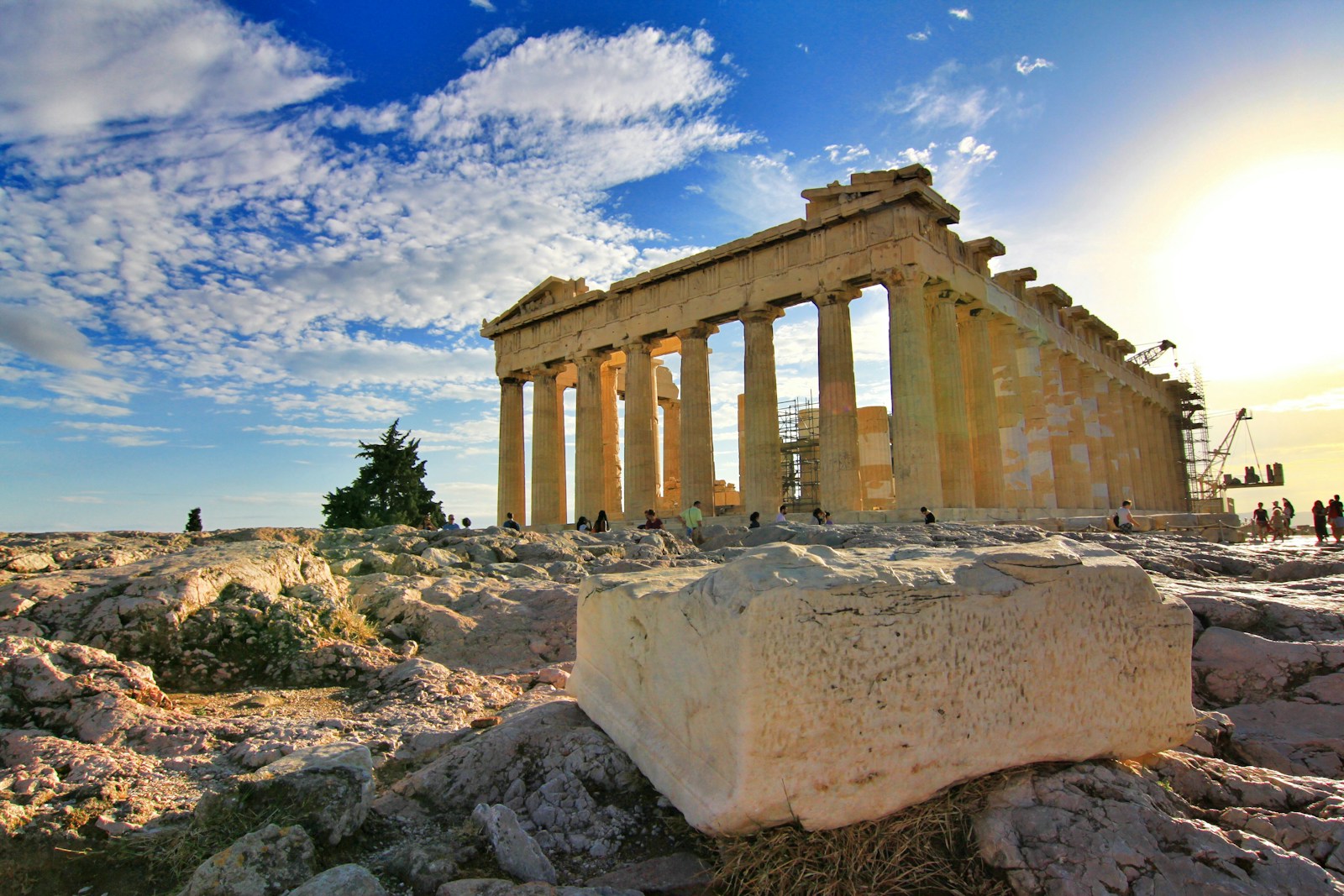
Travel Costs
How Much Does a Trip to Greece Cost? (2026 Breakdown)
Athens plus two islands in a week — ferry class economics, Santorini caldera premiums, and where the taverna math actually lands.
Overview
A 7 - day trip to Greece in 2026 will set you back anywhere from €700 to €3500+ per person, excluding international flights. What truly dominates the budget isn't surprisingly accommodation, especially on popular islands like Santorini or Mykonos, where a modest hotel quickly racks up €200 - 400/night. Ferries are another significant line item; while a short hop between Cycladic islands might be €20 - 40, longer routes or high - speed vessels can easily hit €80 - 120 per person one - way. Food and drink are surprisingly reasonable if you stick to local tavernas and souvlaki, but beach clubs and tourist traps will drain your wallet faster than a strong ouzo.
Currency & payments
Greece uses the Euro (€). In early 2026, the exchange rate is roughly 1 EUR = 1.08 USD. ATMs are widely available, especially in cities and larger islands, but always use bank - affiliated machines to avoid scandalous fees (look for Alpha Bank, Piraeus Bank, Eurobank). Credit cards (Visa, Mastercard) are accepted almost everywhere, from tavernas to supermarkets, but it's always wise to carry €50-€100 in cash for small purchases, remote villages, or splitting bills at smaller eateries. Tipping is not mandatory but appreciated; round up taxi fares or leave €2 - 5 at a restaurant for good service, especially if you plan to return.
When to book
Booking flights to Greece is generally cheapest 3 - 5 months out for peak season (June - August). For example, Skyscanner data often shows the sweet spot for a London-Athens flight is around February - March for a July trip. Accommodation on popular islands like Santorini and Mykonos skyrockets during July - August and Easter week; booking 6 - 9 months in advance is essential to secure decent rates and availability. Smaller islands might be more flexible 3 - 4 months out. Ferries, especially high - speed routes, can sell out during peak season, so reserve at least 1 - 2 months ahead via sites like Ferryhopper, particularly if you're travelling with a car or on a specific schedule. Last - minute bookings during shoulder seasons (May, September) can sometimes yield deals, but it's a gamble.
Daily & trip budget
| Style | Per day | Per trip | What it buys |
|---|---|---|---|
| Budget | €60 - 90/day | €420 - 630 for 7 days (excl. flights) | Hostel dorms/basic guesthouses, street food/supermarket meals, public transport/standard ferries. |
| Mid - range | €120 - 180/day | €840 - 1260 for 7 days (excl. flights) | 3 - star hotels/apartments, mix of tavernas/mid - range restaurants, some taxis, high - speed ferries, a few paid activities. |
| Comfort | €300 - 500+/day | €2100 - 3500+ for 7 days (excl. flights) | Boutique hotels/villas, fine dining, private transfers, internal flights, guided tours, exclusive experiences. |
Cost by category
| Category | Budget | Mid - range | Comfort | Notes |
|---|---|---|---|---|
| Flights (from major hub, e.g., London - Athens return) | €100 - 200 | €200 - 400 | €400 - 800+ | EasyJet/Ryanair basic fare vs. Aegean/British Airways economy. Book 3 - 5 months out on Skyscanner. |
| Accommodation (per night) | €25 - 50/night | €80 - 150/night | €250 - 500+/night | Hostelworld dorm in Athens vs. Booking.com 3 - star in Fira vs. luxury villa on Mykonos. |
| Food & drink (per day) | €20 - 35/day | €40 - 70/day | €100 - 200+/day | Souvlaki wraps, supermarket picnics vs. taverna mains, 1 - 2 drinks. Fine dining will easily double this. |
| Inter - island Ferries (per segment) | €20 - 40 | €40 - 80 | €80 - 150+ | Blue Star Slow Ferry vs. Seajets high - speed. Athens - Santorini is a big jump. Book via Ferryhopper. |
| Local transport (per day) | €5 - 10/day | €15 - 30/day | €50 - 100+/day | Athens metro/bus vs. shared airport shuttles, scooter rental, or taxis on islands. |
| Activities & entrance fees (per day) | €10 - 20/day | €25 - 50/day | €60 - 120+/day | Acropolis ticket (€20), museum entry vs. catamaran cruise (€80 - 150), guided tours. |
| Car/Scooter Rental (per day, on islands) | N/A | €30 - 50/day | €60 - 120+/day | Scooter 125cc vs. small Fiat Panda vs. luxury SUV. Fuel extra. Often cheaper for longer rentals. |
A day in the life (sample spend)
Budget day. **Budget Traveler Day: Athens & Ferry to Paros (€65)** Morning: Grab a cheap spanakopita and coffee (€4) for breakfast. Walk to the Acropolis (€20 entry) and spend 3 hours exploring. Lunch is a street - side gyro at Savvas in Monastiraki (€4.50). Afternoon: Metro to Piraeus port (€1.20). Evening: Board a Blue Star ferry to Paros (€38, non - reserved seat). Dinner is instant noodles and a beer bought from the supermarket on board (€5). Arrive in Paros, walk to a budget guesthouse (€25/night, not included in day total). Total for the day: €65.
Mid - range day. **Mid - range Traveler Day: Santorini (€165)** Morning: Breakfast at the hotel included. Walk to Fira and rent a scooter for the day (€35). Ride to Ancient Thira, paying the entrance fee (€6). Mid - day: Lunch at Metaxy Mas Tavern in Exo Gonia (€25, including a glass of wine). Afternoon: Explore Pyrgos village, then head to Perissa beach for a swim. Sunset drinks at a cliffside bar in Fira (€20). Evening: Dinner at a nice taverna in Oia (€35 - 45). Scooter fuel for the day (€5). Total for the day: €165.
Comfort day. Comfort Traveler Day: Mykonos Indulgence (€450) Morning: Hotel breakfast (included, ~€40 value). Pre - booked private transfer from hotel to Ornos beach (€30). Morning: Spend at a beach club, renting a sunbed with umbrella (€40). Lunch at a chic beachside restaurant (€60 for a main and cocktail). Afternoon: Return to Mykonos Town by taxi (€20). Explore the shops. Evening: Sunset cocktail at Little Venice (€35). Fine dining dinner experience in Chora (€120 - 180 including wine). Total for the day: €450.
Money savers
- Skip the high - speed ferries: While faster, they're often double the price of conventional ferries. Blue Star Ferries are slower but offer a more authentic experience with better deck space and significantly cheaper tickets for routes like Athens - Santorini (€48 vs. €89).
- Eat street food for lunch: Souvlaki, gyros, and spanakopita are delicious, filling, and cost €3 - 6. A sit - down lunch can easily cost €15 - 25 per person.
- Cook some meals if staying in an apartment: Supermarkets like AB Vasilopoulos or Sklavenitis have excellent fresh produce and essentials. A week of basic groceries can cost as little as €50 - 80 for two.
- Travel in shoulder season: May, early June, and September - October offer pleasant weather, fewer crowds, and accommodation prices often 20 - 40% lower than peak July - August. Flights are also cheaper.
- **Use public transport in Athens:** The metro system is efficient and covers all major sights, including the airport connection (€9 one - way). A 5 - day tourist ticket is €9 for unlimited travel within Athens, saving significantly over taxis.
- Prioritize specific islands: Don't try to see too many islands in one week. Each ferry journey is a cost. Stick to 2 - 3 conveniently located islands to minimize travel time and ferry expenses and maximize relaxation.
Spending tips
- Withdraw cash at "Alpha Bank" or "Piraeus Bank" ATMs: These rarely charge local fees, only your home bank's foreign transaction fee. Avoid Euronet or other non - bank ATMs that are rife with high charges.
- Ask if service is included for large groups: For parties of 6 or more, some restaurants might add a 10 - 15% service charge. Check your bill before adding an additional tip.
- Book domestic flights 2 - 3 months in advance for islands: Especially for popular routes like Athens to Santorini or Mykonos, flights on Aegean or Olympic can be cheaper than high - speed ferries if booked early (e.g., €50 - 80 one - way if not peak travel).
- Consider an Airbnb with a kitchen: This gives you flexibility to cook breakfast and some dinners, significantly cutting down on food costs. Neighborhoods like Koukaki in Athens or Firostefani in Santorini often have good options.
- Rent an ATV or scooter on smaller islands: On islands like Paros, Naxos, or Milos, renting a 125cc scooter (€20 - 30/day) or a 300cc ATV (€35 - 50/day) is often the most cost - effective and flexible way to explore, especially when splitting the cost.
- Negotiate for longer car/scooter rentals: For rentals exceeding 3 - 4 days, ask for a discount. Many local agencies are willing to drop the daily rate by 10 - 20% if you commit for a longer period.
- Look for "value menus" (menu fixe) in touristy areas: Some tavernas near major attractions in Athens or on the islands offer a set menu with a starter, main, and sometimes dessert for a fixed price, usually €15 - 25. It's not fine dining but can be a good deal.
- Buy bottled water in bulk from supermarkets: A 6 - pack of 1.5L bottles can cost €1.50-€2, saving you €1 - 2 per individual bottle bought from kiosks or small shops. Piraeus Bank
FAQs
How much does a meal cost in Greece?
A basic street food meal like a souvlaki or gyro will cost €3 - 5. A casual taverna meal with a main dish, salad, and a drink typically ranges from €15 - 25 per person. Fine dining can easily push this to €50 - 100+ per person, especially on islands like Mykonos.Are Greek islands expensive?
Yes, popular islands like Santorini and Mykonos are significantly more expensive, particularly for accommodation, where average 3 - star hotels can be €200 - 400+ per night in peak season. Less frequented islands like Naxos, Paros, or Milos offer much better value, with similar hotels at €80 - 150 per night.How much is a beer in Greece?
A small local draft beer (e.g., Mythos, Alpha) at a taverna or bar typically costs €4 - 6. At high - end beach clubs or tourist traps, this can rise to €8 - 12. Supermarket beers are around €1.50-€2.Is tipping customary in Greece?
Tipping is not mandatory but is appreciated for good service. For a casual meal, rounding up the bill or leaving €2 - 3 is common. For excellent service in a nicer restaurant, 5 - 10% is generous. Taxi drivers usually appreciate the fare being rounded up to the nearest Euro.How much do ferries cost between Greek islands?
Ferry prices vary greatly by distance and speed. A short conventional ferry hop (e.g., Paros - Naxos) costs €15 - 25. A longer route on a high - speed ferry (e.g., Athens - Santorini) can range from €70 - 90. Conventional ferries for the same route might be €45 - 55.Can I use my credit card everywhere in Greece?
Credit cards (Visa, Mastercard) are widely accepted in cities and larger towns/islands in Greece, especially since recent mandates. However, always carry €50-€100 in cash for small purchases, remote villages, street vendors, or if a small business has a temporary card machine issue.How much does it cost to get into the Acropolis?
The general admission ticket for the Acropolis in Athens costs €20. There are reduced rates (€10) for EU citizens over 65 and non - EU students. A combined ticket for the Acropolis and several other archaeological sites costs €30 and is valid for 5 days.Is water safe to drink from the tap in Greece?
In Athens and most major cities on the mainland, tap water is generally safe to drink. On many islands, especially smaller ones or during peak summer, tap water might be desalinated or have a high mineral content, making bottled water a preferred choice for taste, though it may still be safe for brushing teeth. Always ask locally if unsure.


