
Best Time to Visit
Best Time to Visit Peru (2026 Month-by-Month Guide)
Inca Trail permits, dry vs wet season on the Andes, and why coastal Lima is opposite to Cusco month by month.
Overview
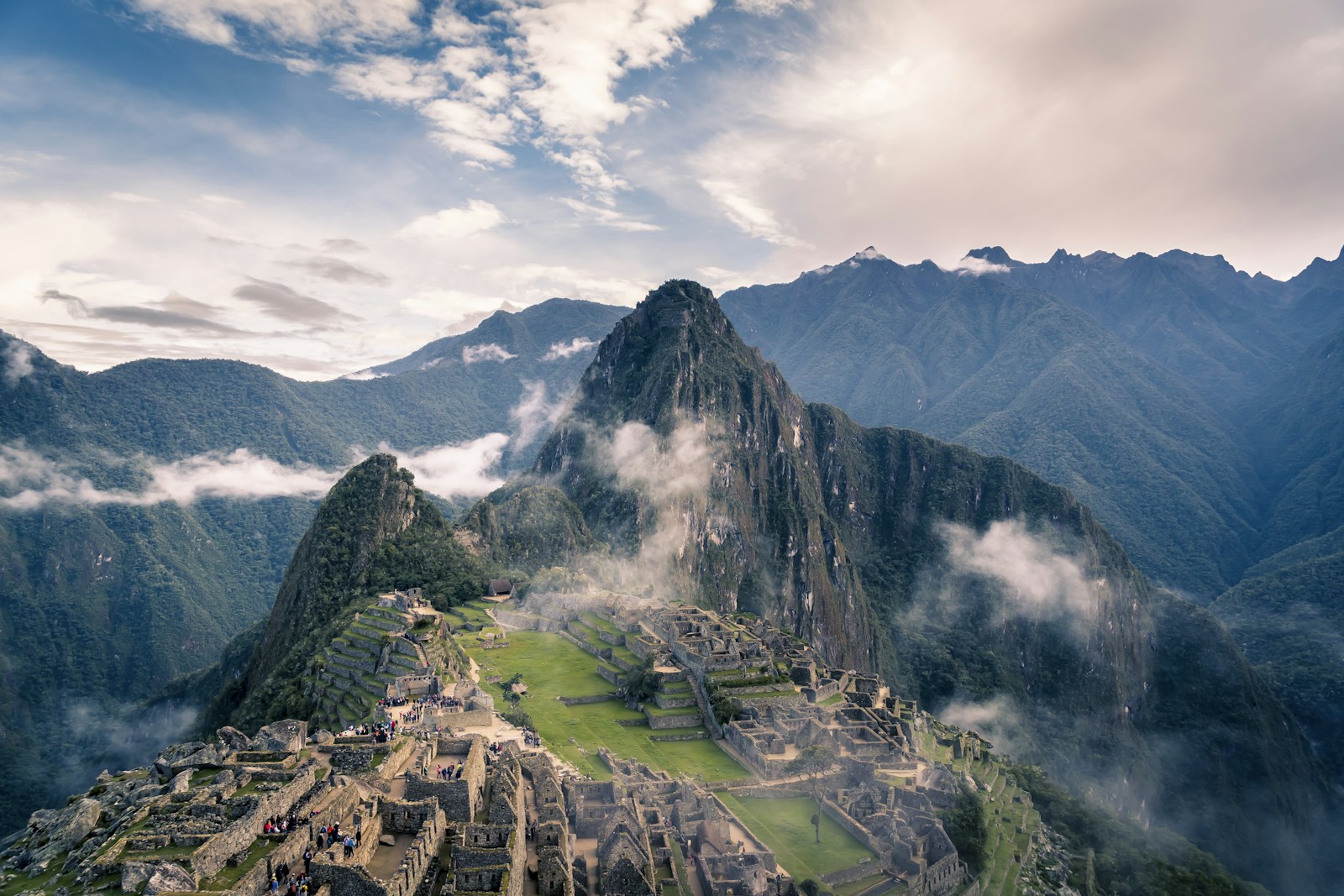
Forget generic advice; the absolute sweet spot for Peru, particularly if you're aiming for the Andes and Machu Picchu, is late April to early May. You're catching the tail end of the rainy season's lushness without the relentless downpours, and crucially, you're ahead of the June - August peak season crowds and prices. Think clear mountain views, passable trails, and hotel rates that haven't yet skyrocketed. If jungle is your priority, aim for the drier, cooler months between June and September to minimize mosquitoes, maximize wildlife sightings, and avoid impassable river conditions.
Climate at a glance
Peru's climate is a tale of three distinct geographical zones: the arid coastal desert, the Andean highlands (sierra), and the Amazon rainforest (selva). The coast, including Lima, experiences a unique 'garúa' fog from April to December, keeping things cool and overcast, with true sunshine only from January to March. The Andes operate on a clear wet/dry season cycle: November to April is wet, with heavy rains often closing trails, while May to October is dry, sunny, and cold at night. The Amazon generally follows the Andean pattern, with a pronounced dry season from June to October, although humidity remains high year - round. Altitude is a major factor, with temperatures dropping significantly for every thousand meters gained.
Best windows
- Andean Sweet Spot — Late April to Mid - May. This window offers the best of both worlds in the Andes: the tail end of the rainy season means lush, green landscapes but significantly fewer downpours. Trails are less crowded than peak season, and air is clear for stunning views.
- Dry Season Jungle & Andes — June to September. The prime dry season for both the Andes and the Amazon. Expect consistently clear, sunny days in the mountains and the lowest river levels for jungle expeditions, making wildlife viewing easier. Ideal for multi - day treks like the Inca Trail.
- Coastal Summer — January to March. For beach lovers and those exploring Lima, this is when the coastal fog (garúa) finally lifts. Expect warm, sunny days perfect for coastal activities and enjoying Lima's outdoor dining scene.
Shoulder sweet spots
- Early November — Early November. A narrow window after the dry season crowds disperse but before the heavy rains begin. Good for lower Andean treks; expect occasional showers but fewer people and better prices.
- Late March — Late March. Just as the heaviest rains subside in the Andes, offering a glimpse of the dry season's clarity before the main rush starts. Lush landscapes, but some trails may still be muddy.
- Mid - October — Mid - October. The very end of the dry season in the Andes. Crowds thin out, but you risk early seasonal rains. Still good for coastal exploration before the garúa fully sets in.
When to avoid
- Heavy Andean Rainy Season — Late January to Early March. Peak rainy season in the Andes, often resulting in trail closures (like the Inca Trail in February), landslides, and persistent cloud cover at Machu Picchu. Many tours scale back or stop entirely.
- Coastal Garúa & Highland Cold — July to August (Lima 's Southern Andes). While dry in the Andes, this is Lima's coldest, foggiest period. For the high Andes (Cusco, Puno), nights are bitterly cold, often dropping below freezing, making early starts uncomfortable. Expect peak crowds everywhere due to Northern Hemisphere holidays.
- Amazon Flood Season — February to April. Highest water levels in the Amazon, leading to flooded trails and fewer visible land animals. While unique for 'flooded forest' boat tours, traditional wildlife spotting is significantly harder.
Month by month
| Month | Weather | Crowds | Prices | Notes |
|---|---|---|---|---|
| January | Andes: Wet, 19°C/7°C, 160mm rain. Coast: Warm, sunny, 28°C/20°C. Amazon: Hot, humid, 30°C/22°C, 300mm rain. | Medium in coastal areas, Low in Andes/Amazon due to rain. | Mid (coast), Low (Andes/Amazon). | Lima beaches are packed with locals. Mountain trails very muddy. Amazon river levels rise. |
| February | Andes: Very wet, 18°C/7°C, 200mm rain. Coast: Hot, sunny, 29°C/21°C. Amazon: Hot, humid, 30°C/22°C, 320mm rain. | Low (Andes/Amazon), High (coast). | Low (Andes/Amazon), Mid - High (coast). | Inca Trail officially closed for maintenance. Rainiest month for Cusco and Machu Picchu. Coast is peak summer. |
| March | Andes: Wet, 19°C/7°C, 150mm rain. Coast: Warm, sunny, 28°C/20°C. Amazon: Hot, humid, 31°C/23°C, 280mm rain. | Low - Medium (Andes/Amazon), Medium (coast). | Mid. | Rains begin to subside in the Andes; Inca Trail reopens late in the month. Semana Santa (Holy Week) can cause price spikes. |
| April | Andes: Drying, 20°C/6°C, 70mm rain. Coast: Mild, 26°C/19°C, garúa starting. Amazon: Hot, humid, 31°C/23°C, 200mm rain. | Mid. | Mid. | Lush green landscapes in the Andes, beginning of the transition to dry season. Easter holidays can be busy. |
| May | Andes: Dry, mild, 20°C/4°C, 20mm rain. Coast: Cool, foggy, 23°C/17°C. Amazon: Warm, drying, 30°C/21°C, 150mm rain. | Mid - High (Andes). | Mid - High (Andes). | Excellent trekking conditions in the Andes. Inti Raymi festival preparations begin to pick up. Peruvian school breaks can occur. |
| June | Andes: Dry, cool, 20°C/2°C, 10mm rain. Coast: Cool, foggy, 22°C/16°C. Amazon: Drier, 29°C/20°C, 100mm rain. | High (Andes). | High (Andes). | Inti Raymi (Winter Solstice Festival) in Cusco causes peak crowds and prices. Dry season fully underway. |
| July | Andes: Dry, cold nights, 19°C/1°C, 10mm rain. Coast: Cool, dense fog, 21°C/15°C. Amazon: Dry season peak, 29°C/19°C, 80mm rain. | Peak (Andes). | Peak (Andes). | Northern Hemisphere summer holidays mean peak tourist numbers and prices, especially around Machu Picchu. Fiestas Patrias (Independence Day) is July 28 - 29. |
| August | Andes: Dry, very cold nights, 19°C/2°C, 10mm rain. Coast: Cool, persistent fog, 20°C/15°C. Amazon: Dry season, 30°C/19°C, 70mm rain. | Peak (Andes). | Peak (Andes). | Continued peak season for the Andes, with very cold overnight temperatures. River levels in the Amazon at their lowest for wildlife viewing. |
| September | Andes: Dry, warming, 21°C/4°C, 20mm rain. Coast: Mild, fog thinning, 21°C/15°C. Amazon: Warming, 31°C/20°C, 120mm rain. | Medium - High (Andes). | High (Andes). | Good month for trekking as tourist numbers begin to slightly decline but weather remains stable. Spring equinox. |
| October | Andes: Warming, beginning of rains, 22°C/6°C, 50mm rain. Coast: Warming, fog lifting, 22°C/16°C. Amazon: Warming, light rain, 32°C/21°C, 180mm rain. | Medium. | Mid. | Rains slowly return to the Andes, leading to greener landscapes. Señor de los Milagros (Lord of Miracles) processions in Lima. |
| November | Andes: Wet season begins, 22°C/7°C, 90mm rain. Coast: Warming, some sun, 24°C/18°C. Amazon: Wet season, 32°C/22°C, 250mm rain. | Low - Medium. | Low - Mid. | Good value month; expect afternoon showers in the Andes. All Saints' Day (Día de Todos los Santos) on Nov 1 is a national holiday. |
| December | Andes: Wet season, 21°C/7°C, 120mm rain. Coast: Warming, sunnier, 26°C/19°C. Amazon: Wet season, 31°C/22°C, 280mm rain. | Medium (coast), Low (Andes/Amazon). | Mid (coast), Low (Andes/Amazon). | Christmas and New Year's bring domestic tourism spikes to major cities and coastal areas, but Andes remain quiet due to rains. |
Festivals & events to plan around
- Semana Santa (Easter, variable March/April) – Major religious celebrations across Peru, especially Ayacucho and Cusco. Expect transport and accommodation to be booked solid and prices to jump 50 - 70% in affected areas.
- Inti Raymi (June 24) – Cusco's dazzling, elaborate Inca Festival of the Sun. Hotels book out 6 - 12 months in advance, and prices can double. Witnessing it requires planning and willingness to pay a premium.
- Fiestas Patrias (July 28 - 29) – Peru's Independence Day celebration. A major national holiday leading to domestic travel surges, particularly in Lima and coastal areas. Expect public transport to be crowded and coastal hotels pricey.
- Señor de los Milagros (October) – The 'Lord of Miracles' procession in Lima is one of the largest Catholic gatherings in the world. Roads close, and downtown Lima becomes a vibrant, purple - clad, crowded spectacle. Plan city movements accordingly.
- Cruces de Velacuy (May 2 - 3) – Festival of the Crosses, particularly vibrant in Cusco and surrounding villages, blending Catholic and Andean traditions. Smaller crowds than Inti Raymi but still a colorful cultural experience.
- Virgen de la Candelaria (February 2) – Puno's massive, vibrant festival honoring the Virgin. Expect spectacular parades, traditional dances, and very high demand for accommodation in Puno, often booked months ahead.
- Whale Watching Season (July to October) – Off the northern coast (Piura, Tumbes), humpback whales migrate. Peak viewing is August and September. Dedicated tours depart from Mancora, Organos, and Punta Sal.
- Amazon River Levels (February to May) – High water season in the Amazon, unique for 'flooded forest' excursions by canoe, but land - based wildlife viewing becomes harder as animals disperse. Conversely, the low water season (June - October) concentrates animals near rivers.
- Arequipa Anniversary (August 15) – A week - long celebration in La Ciudad Blanca (the White City) with parades, cultural events, and increased tourism. Book accommodations in advance.
What to pack (by season)
- February (Coast): Lightweight swimwear, reef - safe sunscreen, wide - brimmed hat, light cover - ups for intense coastal sun.
- April (Andes): Layers are key: quick - drying hiking trousers, thermal base layers for evenings, a waterproof shell jacket for afternoon showers, sturdy waterproof hiking boots.
- June (Andes): Down jacket or very warm fleece for freezing Andean nights, insulated hat and gloves for early morning treks, sturdy hiking boots for dry, dusty trails.
- August (Amazon): Long - sleeved, lightweight shirts and trousers (light colors to deter insects), strong insect repellent (DEET 30%+), wide - brimmed hat, quick - drying swimwear for river dips.
- October (Andes): Mid - weight fleece, long - sleeved shirts, lightweight waterproof jacket, sunglasses, and high - SPF sunblock for strong Andean sun at altitude.
- December (Coast): Light summer clothes, sandals, beach towel, and formal casual wear if celebrating holidays in Lima or major cities.
Timing tips
- Book Inca Trail permits and reputable tour operators 6 - 8 months in advance for the dry season (May - September), as daily quotas sell out rapidly. Even shoulder season popular treks require 3 - 4 months' lead time.
- Domestic flight prices within Peru (especially Lima-Cusco) triple during peak season (June - August) and national holidays. Booking at least 2 - 3 months out can save 30 - 50%. Tuesdays and Wednesdays often have the best fares.
- Machu Picchu entry tickets now require booking specific time slots and circuits. During peak season, book entry for 9 - 12 AM at least 2 months ahead to secure preferred times, or risk only late afternoon slots.
- For Inti Raymi (June 24th) in Cusco, accommodation near the Plaza de Armas needs to be secured a year in advance for prime viewing locations; otherwise, expect to stay outside the city center.
- Lima's 'garúa' fog impacts photography significantly from April to December. For sunny cityscapes, aim for January - March. Coastal excursions (Paracas, Ballestas Islands) are still possible in the fog, but epic views are rare.
- Altitude sickness (soroche) is a real concern in Cusco (3,400m) and Puno (3,800m). Plan at least 2 days to acclimatize before strenuous activity. Coca tea and soroche pills are widely available.
- Consider alternative treks to Machu Picchu (e.g., Salkantay, Lares) during peak season; they offer stunning scenery and are less restricted by permits, though still popular.
- The Amazon's high water season (Feb - May) means more mobility by canoe but fewer terrestrial animal sightings. Low water season (June - Oct) concentrates animals, making observation easier. Choose based on your priorities.
- Northern Peru (e.g., Kuelap, Trujillo) has a distinct climate, often drier and warmer than the south. It makes an excellent alternative during the Andean rainy season (Nov - April).
- Transportation to remote Andean villages can be severely impacted by heavy rains (Jan - Mar), with landslides and unpassable roads common. Always check local conditions before planning rural excursions.
FAQs
What is the best month to visit Machu Picchu?
May is arguably the best month to visit Machu Picchu. You'll experience average temperatures of around 20°C/4°C, significantly less rainfall (around 20mm), and the landscapes are still vibrantly green from the preceding wet season, all while crowds are still manageable before the July - August peak.When is the cheapest time to go to Peru?
The cheapest time to visit Peru is typically during the wet season, from January to March, excluding Semana Santa. Hotel prices in the Andes can drop by 20 - 40%, and flights are generally lower. However, be prepared for increased rainfall, with Cusco seeing averages of 150 - 200mm per month.When should I avoid Peru?
You should generally avoid Peru's Andean region from late January to early March if your primary goal is trekking, as this is the peak rainy season with up to 200mm of rain monthly. The Inca Trail is closed in February, and other trails are often muddy and impassable.How many days do you need for Machu Picchu?
To fully experience Machu Picchu and the Sacred Valley, you typically need a minimum of 3 - 4 days. This allows for 1 - 2 days of acclimatization in Cusco (3,400m) before visiting the ruins, preventing altitude sickness and allowing for exploration of the valley.What is the weather like in Lima in July?
In July, Lima experiences its peak 'garúa' (coastal fog) season. Expect cool, overcast days with average temperatures around 21°C/15°C and virtually no sunshine. It's not ideal for beaches, but good for museum visits and gastronomy.Is the Amazon rainforest in Peru always hot and wet?
While generally hot and humid, the Peruvian Amazon does have a distinct dry season from June to October. During this period, temperatures average 29 - 30°C/19 - 20°C, and rainfall drops significantly from 300mm+ to under 100mm per month, making it ideal for wildlife viewing.When is Peru's festival season?
Peru has multiple festival seasons, but arguably the most impactful for travelers are the June festivals in Cusco (Inti Raymi, Corpus Christi) and the August Fiestas Patrias. Inti Raymi (June 24) sees Cusco hotel prices double and requires booking 6 - 12 months ahead.What's the best month for wildlife in the Amazon?
The best months for wildlife spotting (especially land - based animals and birds) in the Peruvian Amazon are during the dry season, from July to September. Lower river levels concentrate animals around water sources, making them easier to observe. Expect average temperatures of 29 - 30°C and less than 100mm of rain.When do domestic flights to Cusco spike in price?
Domestic flights to Cusco from Lima spike dramatically during the dry season (June - August) and around national holidays like Fiestas Patrias (late July) and Semana Santa (March/April). Expect prices to be 50 - 100% higher than off - peak, often reaching $150-$200+ for a one - way fare.Is it worth visiting Peru in the rainy season?
Yes, visiting Peru in the rainy season (November - April) can be worthwhile, especially for budget travelers and those prioritizing lush green landscapes over guaranteed clear skies. While Machu Picchu may see 150 - 200mm of rain monthly, crowds are significantly smaller, and hotel prices in the Andes are 20 - 40% lower.


