
Itinerary
10 Days in Spain: Madrid, Seville & Barcelona
Three cities by AVE high-speed rail with a Córdoba day trip and no wasted transit days.
Overview
This 10-day itinerary prioritizes Spain's iconic cities and leverages the excellent AVE high-speed rail network for seamless transitions. You'll get a deep dive into Madrid's art and history, soak in Andalusia's Moorish grandeur and flamenco in Seville and Cordoba, and finish with Barcelona's unique Catalan modernism. We intentionally skip Valencia and other coastal detours to keep the pace vibrant but not rushed, ensuring quality time in each major hub and minimizing travel stress.
Who it's for
This itinerary is perfect for first-time visitors to Spain, culture lovers, and couples who appreciate efficient travel and well-paced city exploration. It suits those who enjoy world-class museums, historic sites, and lively evening atmospheres. Skip this if you prefer slow travel, extensive beach time, or rural landscapes; this route is decidedly urban-focused.
Best time to go
The best time for this route is late April to early June or mid-September to late October. Spring offers pleasant temperatures, blooming patios in Cordoba, and vibrant Semana Santa or Feria de Abril festivals (book months ahead!). Fall avoids the intense summer heat, especially in Andalusia, and the tourist crush of August. Avoid July and August; temperatures frequently exceed 40°C in Seville and Cordoba, making daytime sightseeing uncomfortable.
Budget
| Style | Per day | What it buys |
|---|---|---|
| Budget | €70-95/day | Hostel dorms or budget guesthouses, street food/market meals, public transport, free attractions or student discounts. |
| Mid-range | €150-220/day | 3-star hotels or charming B&Bs, a mix of casual restaurants and some nicer dinners, entry to all major sites, one domestic flight or premium train. |
| Comfort | €300-450+/day | 4-5 star hotels, gourmet dining experiences, private transfers or first-class rail, guided tours, flamenco shows with dinner. |
What to pack
- A light scarf or shawl for women (for church entry and cooler evenings)
- Comfortable, stylish walking shoes (expect 15-20k steps daily on cobblestones)
- Portable power bank (for phone navigation and photos all day)
- Plug adapter (Type F or Type C for Spain)
- Copies of passport and train tickets (digital & physical backup)
- A small cross-body bag or money belt (for crowded areas)
Day 1: Madrid: Arrival & Royal Grandeur
Base: Madrid
Morning. Arrive at Madrid-Barajas Airport (MAD), take the express bus (€5) to Atocha station, and check into your hotel near Puerta del Sol or Huertas. Acclimatize with a gentle stroll through Plaza Mayor and the Mercado de San Miguel, sampling some early tapas.
Afternoon. Head to the Royal Palace of Madrid. Arrive by 2 PM for smaller crowds. Focus on the State Rooms and the Royal Armory. Afterward, wander through the lovely Sabatini Gardens.
Evening. Dinner in the La Latina neighborhood, known for its traditional taverns and excellent tapas. Explore Calle Cava Baja for authentic choices like 'El Tempranillo'. Finish with a casual drink near Plaza de la Cebada.
🛏 Sleep: Huertas neighborhood — central, lively, and walkable to many major sights and evening activities.
🚆 Transport: Walking day, no transport beyond airport transfer.
💡 Tip: Pre-book your Royal Palace tickets online for a specific time slot to avoid queues, especially on weekends.
Day 2: Madrid: Art, Retiro & Flamenco
Base: Madrid
Morning. Start early at the Museo del Prado (opens 10 AM). Focus on the Spanish masters: Goya, Velázquez (Las Meninas), and El Greco. Aim for opening to beat the main rush.
Afternoon. After a quick lunch near the museum, spend the afternoon relaxing in El Retiro Park. Rent a rowboat on the lake, visit the Crystal Palace, or simply people-watch near the Statue of the Fallen Angel.
Evening. Experience a flamenco show in a tablao in the Barrio de las Letras (e.g., Casa Patas or Cardamomo). Book tickets well in advance, opting for a show-only ticket if you prefer to dine elsewhere. Dinner beforehand in the Santa Ana area.
🛏 Sleep: Huertas neighborhood — still your central base for Madrid.
🚆 Transport: Walking day, no transport.
💡 Tip: Many museums in Madrid offer free entry during specific evening hours (Prado: 6-8 PM Mon-Sat, 5-7 PM Sun). Use this for a quick second look or if you're on a tight budget, but expect crowds.
Day 3: Madrid to Seville: High-Speed South
Base: Seville
Morning. Enjoy a final Madrid breakfast. Then head to Atocha train station. Take the mid-morning AVE high-speed train to Seville (approx. 2.5-3 hours). Book your tickets several weeks in advance through Renfe for the best prices.
Afternoon. Arrive at Seville's Santa Justa station. Check into your hotel in Barrio Santa Cruz. Spend the afternoon wandering the labyrinthine alleys of the Santa Cruz quarter, getting lost among flower-filled patios and stopping for a casual lunch.
Evening. Dinner in the lively Triana neighborhood, just across the Puente de Isabel II. Explore Calle Betis for riverside restaurants or venture into the deeper parts for more traditional tapas bars like 'Blanca Paloma'.
🛏 Sleep: Barrio Santa Cruz — historic charm, proximity to the Cathedral and Alcázar, and excellent evening atmosphere.
🚆 Transport: AVE train from Madrid Atocha to Sevilla Santa Justa (approx. 2.5-3 hours). Book via Renfe.es.
💡 Tip: Download the Renfe app and add your tickets there; it's often smoother than printing or relying on email confirmations.
Day 4: Seville: Alhambra & Alcázar Majesty
Base: Seville
Morning. Visit the Real Alcázar of Seville (opens 9 AM). Pre-book your tickets online at least 6-8 weeks in advance, especially for morning slots, as they sell out. Aim to enter at opening and spend at least 3 hours exploring the palaces and gardens.
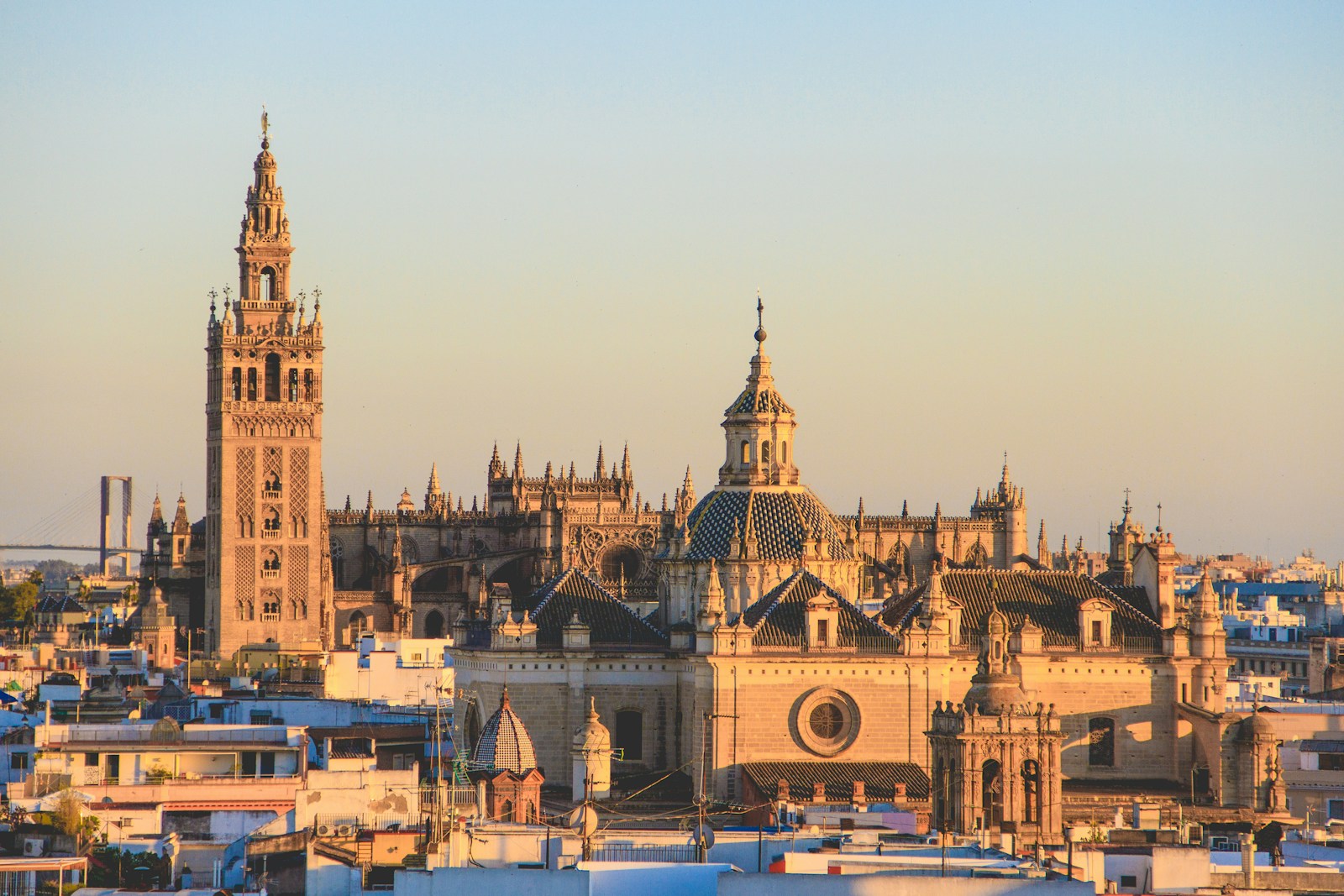
Afternoon. Lunch near the Cathedral. Then, enter the Seville Cathedral and climb La Giralda bell tower for panoramic city views. Allocate 2 hours. Afterward, relax with a horchata or tinto de verano in the nearby Plaza del Triunfo.
Evening. Walk across to the iconic Plaza de España, best visited around sunset for golden hour photos. Dinner in the Alameda de Hércules area, a vibrant boulevard with many trendy bars and restaurants catering to a younger crowd.
🛏 Sleep: Barrio Santa Cruz — continue enjoying the heart of Seville.
🚆 Transport: Walking day, no transport.
💡 Tip: Your Real Alcázar ticket also grants access to a quick visit to the Cuarto Real Alto (Royal Chambers) for an additional fee, offering a glimpse into the private royal apartments. Book this specific option when buying tickets.
Day 5: Seville: Triana & Flamenco Roots
Base: Seville
Morning. Cross into the Triana neighborhood. Visit the Triana Market, browsing fresh produce and local ceramics. Explore the ceramics workshops and the Castillo de San Jorge museum, which offers insight into the Spanish Inquisition.
Afternoon. Enjoy a traditional Sevillian lunch in Triana. Consider a cooking class focusing on Andalusian cuisine, or visit the Centro de Interpretación del Flamenco to understand the art form's history and cultural significance.
Evening. Seek out a more intimate, local flamenco experience in Triana, perhaps at a small bar like Bar Santa Ana or Peña Flamenca de Triana. These often have a more authentic, less tourist-oriented feel. Dinner in the same neighborhood.
🛏 Sleep: Barrio Santa Cruz.
🚆 Transport: Walking day, no transport.
💡 Tip: When searching for flamenco in Triana, look for 'peñas flamencas' (flamenco clubs) rather than exclusively 'tablaos'. They often feature local artists and a more community-focused atmosphere, sometimes requiring a small membership fee for the night.
Day 6: Cordoba: Mezquita & Patios
Base: Cordoba
Morning. Take an early morning AVE train from Seville to Cordoba (approx. 45 minutes). Check into your hotel in the Judería (Jewish Quarter). Head straight to the Mezquita-Cathedral (opens 8:30 AM for a short free entry window, then paid at 10 AM). Arrive early just before 10 AM to experience it with fewer crowds.
Afternoon. After exploring the Mezquita, wander through the Judería with its narrow, flower-lined streets. Visit the Calleja de las Flores and the Synagogue. Lunch at a traditional restaurant in the Judería. In the afternoon, visit the Viana Palace, famed for its twelve patios, or explore the Roman Bridge.
Evening. Dinner in the charming Judería, perhaps trying Salmorejo or Rabo de Toro (oxtail stew). Enjoy a stroll along the illuminated Roman Bridge for views of the Mezquita at night.
🛏 Sleep: Judería (Jewish Quarter) — central, charming, and walkable to all major sites.
🚆 Transport: AVE train from Sevilla Santa Justa to Cordoba (approx. 45 minutes). Book via Renfe.es.
💡 Tip: During the Cordoba Patios Festival in May, many private patios open to the public for free. Even outside of May, some are open year-round for a small fee, or you can join a courtyard tour.
Day 7: Cordoba to Barcelona: Overnight Flight
Base: Barcelona
Morning. Enjoy a leisurely Cordoba morning. Perhaps revisit a favorite spot or browse local craft shops. Have a final Andalusian lunch.
Afternoon. Take a taxi or local bus to Cordoba train station. Take the AVE train back to Madrid Atocha (approx. 2 hours). From Atocha, take the Cercanías train to Madrid-Barajas Airport (MAD) for your evening flight to Barcelona El Prat (BCN). Look for flights on Vueling or Iberia.
Evening. Arrive in Barcelona. Take the Aerobus (€5.90) to Plaça Catalunya, then a taxi/metro to your hotel in the Eixample or Gothic Quarter. Dinner in your chosen neighborhood – perhaps a casual tapas bar or a classic Catalan restaurant.
🛏 Sleep: Gothic Quarter or Eixample — both offer central access to sights and nightlife, with different vibes.
🚆 Transport: AVE train Cordoba to Madrid Atocha (2 hours), then Cercanías train to Madrid-Barajas Airport, then flight to Barcelona El Prat (1.5 hours flight time, 3-4 hours total travel).
💡 Tip: When booking your flight from Madrid to Barcelona, check the total cost including luggage. Budget airlines like Vueling might seem cheaper upfront but can add significant fees for checked bags.
Day 8: Barcelona: Gaudi's Masterpieces
Base: Barcelona
Morning. Start early at the Sagrada Familia (opens 9 AM). Pre-book tickets online at least 4-6 weeks in advance for a specific time slot, including tower access if desired. Allow 2-3 hours inside. Aim for morning light streaming through the stained glass.
Afternoon. Walk or take the metro to Park Güell. Pre-book tickets for the Monumental Zone online. Explore Gaudi's unique park design and enjoy panoramic views of the city. Lunch in the Gràcia neighborhood nearby, known for its charming squares.
Evening. Stroll down Passeig de Gràcia to admire Casa Batlló and Casa Milà (La Pedrera) from the outside, beautiful when illuminated at night. Dinner in the Eixample, focusing on modern Catalan cuisine.
🛏 Sleep: Gothic Quarter or Eixample.
🚆 Transport: Metro and walking day.
💡 Tip: For Sagrada Familia, the Nativity Façade tower offers better city views; the Passion Façade offers views of the interior structure. Choose based on your preference.
Day 9: Barcelona: Gothic & Bohemian El Born
Base: Barcelona
Morning. Explore the Gothic Quarter (Barri Gòtic) on foot, starting with the Barcelona Cathedral. Wander through Plaça Sant Jaume, Plaça del Rei, and discover hidden alleys. Then, head to Mercat de Sant Antoni for a lively market experience and breakfast.
Afternoon. Head to the El Born neighborhood. Visit the Picasso Museum (book tickets online). Explore the trendy boutiques and artisan shops. Relax with a vermouth in a bar like 'El Xampanyet', popular for its cava and seafood tapas.
Evening. Farewell dinner in El Born's Passeig del Born, offering a range of excellent restaurants. Consider a paella or fideuà. Enjoy the vibrant evening atmosphere with street performers.
🛏 Sleep: Gothic Quarter or Eixample.
🚆 Transport: Walking and Metro day.
💡 Tip: Many small, independent shops in El Born close for lunch, typically from 2 PM to 5 PM. Plan your shopping earlier in the morning or later in the afternoon.
Day 10: Barcelona: Departure
Base: Barcelona
Morning. Enjoy a final authentic Catalan breakfast — perhaps some 'pa amb tomàquet' (bread with tomato). Depending on your flight schedule, do some last-minute souvenir shopping around Las Ramblas (but be mindful of tourist traps) or revisit a favorite spot for a coffee.
Afternoon. Head to Barcelona El Prat (BCN) airport by Aerobus from Plaça Catalunya or Plaça d'Espanya (approx. 35-45 minutes) for your departure.
Evening. N/A
🛏 Sleep: N/A
🚆 Transport: Aerobus from Plaça Catalunya to Barcelona El Prat Airport (approx. 35-45 minutes).
💡 Tip: If you have an afternoon flight, check if your hotel offers a late checkout or luggage storage, allowing you to maximize your final morning in the city.
Travel tips
- When booking AVE trains through Renfe, create an account beforehand. It makes managing tickets and potential changes much easier.
- In Seville, avoid the horse-drawn carriage tours near the Cathedral; they are overpriced and not ethically ideal. Opt for a walking tour or an electric scooter rental instead.
- To save time and money on lunches in cities like Madrid and Seville, look for 'Menú del Día' options at local restaurants—a fixed-price, multi-course meal, usually Tuesday-Friday.
- For authentic tapas in Andalusia, seek out bars listed in local food blogs or ask hotel staff away from the main tourist areas. 'Free tapas with drink' is still a tradition in many smaller bars in Granada or Cordoba, less so Madrid/Seville.
- When visiting busy attractions like the Sagrada Familia or Alcázar, always pre-book the earliest possible time slot. This allows you to experience them with fewer people and better light.
- Learn a few basic Spanish phrases ('Hola', 'Gracias', 'Por favor', 'La cuenta, por favor'). While English is common in tourist areas, a little effort goes a long way and is appreciated by locals.
- Be mindful of your belongings, especially in crowded areas like Las Ramblas, train stations, and popular plazas. Use a cross-body bag worn in front or a money belt.
- In Barcelona, consider buying a T-Casual public transport card if you'll be using the metro and buses frequently. It's valid for 10 journeys and cheaper than single tickets, but not shareable.
- For the best paella in Barcelona, venture away from the super-touristy areas around Las Ramblas. El Born or Barceloneta (near the beach) have more reputable seafood-focused restaurants.
- Always validate your train or metro tickets before boarding. In some stations, there are turnstiles; in others, small machines on the platform.
FAQs
How much does the AVE high-speed train cost between cities?
AVE tickets vary significantly based on how far in advance you book. Madrid to Seville can range from €40 - 90 if booked 2 - 3 months out, while last - minute tickets can exceed €120. Booking at least a month in advance typically yields the best prices.Is a Eurail Pass worth it for this Spain itinerary?
For this 10 - day, four - city itinerary focused on Spanish AVE trains, a Eurail Pass is generally NOT worth it. Individual advance - purchase tickets on Renfe will almost certainly be cheaper and more flexible. Factor in mandatory seat reservation fees for AVE trains even with a pass.What is the best way to get to Madrid city center from Barajas Airport?
The Madrid Express Airport Bus is the most straightforward option, costing €5 and running 24/7 to Atocha train station, Cibeles, and O'Donnell. The Cercanías C1 or C10 train line (€2.60) is also efficient for reaching stations like Atocha or Nuevos Ministerios.How far in advance should I book tickets for major attractions?
For Sagrada Familia and Real Alcázar, book at least 4 - 8 weeks in advance, especially if you have specific time slots or tower access in mind. The Mezquita and Prado can be booked 1 - 2 weeks in advance. Cordoba Patios are seasonal.Can I do a day trip to Toledo or Segovia from Madrid?
Yes, both Toledo and Segovia are excellent day trips from Madrid, easily reached by high - speed Avant train in about 30 minutes each. However, this itinerary is already packed; adding one would require cutting a Madrid day or making another day exceptionally rushed.Is Barcelona safe for tourists?
Barcelona is generally safe, but petty crime like pickpocketing is prevalent, especially in crowded areas like Las Ramblas, Gothic Quarter, and on public transport. Be highly vigilant, keep valuables out of sight, and use a cross - body bag or money belt. Avoid walking alone in poorly lit areas late at night.


