
Itinerary
7 Days in Japan: Tokyo & Kyoto First-Timer Route
Tokyo, day trip to Hakone, then Kyoto by shinkansen — the tightest first-time Japan week that works.
Overview
This 7-day itinerary for first-timers in Japan focuses on the classic Tokyo-Kyoto-Nara route, prioritizing cultural immersion and efficient travel over trying to cram in too many destinations. We're skipping Osaka to allow more dedicated time in Kyoto's ancient temples and serene gardens, ensuring a less rushed pace. The trade-off is a deeper dive into two major cultural centers rather than a broader but more superficial sweep of the Kansai region.
Who it's for
This itinerary is ideal for first-time visitors to Japan looking for a well-paced introduction to its unique culture, especially couples or solo travelers who appreciate a blend of bustling city life and serene historical sites. It suits those who don't mind navigating public transport and are comfortable with moderate walking. Skip this if you prefer self-driving, want to extensively explore nightlife, or wish to visit more off-the-beaten-path destinations.
Best time to go
The best time for this route is late March to early April for cherry blossoms in Tokyo and Kyoto, or late November for stunning autumn foliage. May and October offer pleasant weather with fewer crowds, making them excellent shoulder season choices. Avoid the summer months (July-August) due to intense humidity and heat, especially in Kyoto, which can make temple hopping less enjoyable.
Budget
| Style | Per day | What it buys |
|---|---|---|
| Budget | $75-120/day | Hostel dorms/capsule hotels, street food/convenience store meals, local buses/subway. |
| Mid-range | $150-250/day | 3-star hotels/business hotels, a mix of casual restaurants and a few nicer meals, Shinkansen reserved seats. |
| Comfort | $300-500+/day | 4-5 star hotels/ryokans, a variety of restaurants including some upscale, private transfers for convenience, Green Car Shinkansen. |
What to pack
- A portable power bank for your phone (Google Maps and translation apps are essential).
- Slip-on shoes for easy removal at temples, ryokans, and some restaurants.
- A small, foldable travel umbrella (sudden showers are common, especially in spring/autumn).
- Modest clothing for temple visits (shoulders and knees covered).
- Japanese Yen (cash is still king for many smaller establishments and vending machines).
- A Suica or Pasmo IC card (can be purchased at any major train station) pre-loaded for seamless public transport.
- A light scarf or shawl for cooler evenings, particularly in Kyoto's open spaces.
Day 1: Tokyo: Arrival & Shinjuku's Neon Glow
Base: Tokyo
Morning. Arrive at Narita (NRT) or Haneda (HND) Airport. Take the Narita Express (N'EX) or Keisei Skyliner to Shinjuku Station. Check into your hotel in Shinjuku. Aim to arrive around midday to allow for settling in and navigating the transit from the airport.
Afternoon. Head to the Tokyo Metropolitan Government Building Observatory in Shinjuku (open 9:30 AM - 10:00 PM). It's free and offers panoramic views of the city, including Mount Fuji on a clear day, which is a great orientation. Afterward, wander through Shinjuku Gyoen National Garden (closes 4:30 PM, ¥500 entry) for a serene contrast to the urban bustle.
Evening. Experience Shinjuku at night. Explore the vibrant neon-lit streets of Kabukicho (be aware it's the red-light district, fascinating but can be overwhelming). For dinner, seek out a cozy izakaya in Shinjuku Golden Gai, a tiny district of over 200 small bars, each with its own niche personality. Grab some yakitori and a drink.
🛏 Sleep: Shinjuku – excellent transport links via Shinjuku Station, plenty of dining and entertainment options, and diverse accommodation from business hotels to upscale. Stay near the station for ultimate convenience.
🚆 Transport: Narita Express (N'EX) from NRT to Shinjuku (approx. 80-90 min, ¥3270) or Tokyo Monorail + Yamanote Line from HND (approx. 40-50 min, ¥670). Once in Shinjuku, walking + local subway.
💡 Tip: Pre-purchase your N'EX round-trip ticket online before arriving to save time and a little money, especially if flying into Narita.
Day 2: Tokyo: Shibuya & Harajuku's Pop Culture
Base: Tokyo
Morning. Start with the iconic Shibuya Crossing. Get there early (before 9 AM) to witness the wave of pedestrians without the overwhelming mid-day crowds, then head up to the MAGNET by SHIBUYA 109 rooftop for an elevated view. Afterwards, explore the trendy shops and cafes of Shibuya.
Afternoon. Walk from Shibuya to Harajuku (15-20 minutes). Explore Takeshita Street, the epicenter of Tokyo's youth fashion and culture, trying a famous Harajuku crêpe. Then, find peace at Meiji Jingu Shrine (open sunrise to sunset, free entry), a sprawling oasis dedicated to Emperor Meiji and Empress Shoken, located right next to Harajuku Station.
Evening. Dine in the vibrant Dotonbori-esque streets around Shibuya, focusing on casual Japanese fare like ramen or conveyor-belt sushi. Or, for a change of pace, explore the more upscale dining options in Omotesando, known for its elegant tree-lined avenue and high-end boutiques, just a short walk from Harajuku.
🛏 Sleep: Shinjuku – staying in the same hotel minimizes packing and allows for easier early starts from a familiar base.
🚆 Transport: Walking and Tokyo Metro (Yamanote Line for efficient loops around major districts).
💡 Tip: Use the Yamanote Line (JR Pass valid) to travel between Shibuya and Harajuku easily if you prefer not to walk, as both stations are directly on the loop.
Day 3: Tokyo: Asakusa's History & Ueno's Art
Base: Tokyo
Morning. Immerse yourself in old Tokyo at Asakusa. Visit Senso-ji Temple (always open, free), Tokyo's oldest temple, passing through Nakamise-dori market street. Aim to arrive right at 7 AM when the main hall opens to experience a quieter side before the tourist crush. Take a rickshaw ride for a unique perspective on the area's history.
Afternoon. Take the subway to Ueno Park (approx. 10-15 min). Spend the afternoon at one of Ueno's world-class museums, such as the Tokyo National Museum (closes 5 PM, ¥1000) for Japanese art and artifacts, or the Tokyo Metropolitan Art Museum. The park itself is a pleasant escape, especially in spring.
Evening. Enjoy dinner in Ueno, an area known for its diverse dining options, from casual izakayas to more refined Japanese cuisine. Consider trying unagi (grilled eel) at a local specialty restaurant. Afterwards, perhaps catch a kabuki performance in Ginza if your schedule aligns (check Shochiku Co. website for tickets and showtimes).
🛏 Sleep: Tokyo Station area or Ginza – reposition closer to your Shinkansen departure point for tomorrow. Ginza offers upscale dining and shopping, while Tokyo Station provides ultimate convenience for early train departures.
🚆 Transport: Tokyo Metro (Ginza Line from Asakusa to Ueno, then to Tokyo Station/Ginza).
💡 Tip: For Senso-ji, enter through a smaller side gate instead of Nakamise-dori first thing in the morning to reach the main hall directly and beat the initial rush of shoppers.
Day 4: Kyoto: Arrival & Gion's Geisha District
Base: Kyoto
Morning. Take an early Shinkansen (bullet train) from Tokyo Station to Kyoto Station (approx. 2.5 hours via Nozomi, reserve tickets in advance). Upon arrival, check your luggage into your hotel. If your room isn't ready, use a locker at Kyoto Station.
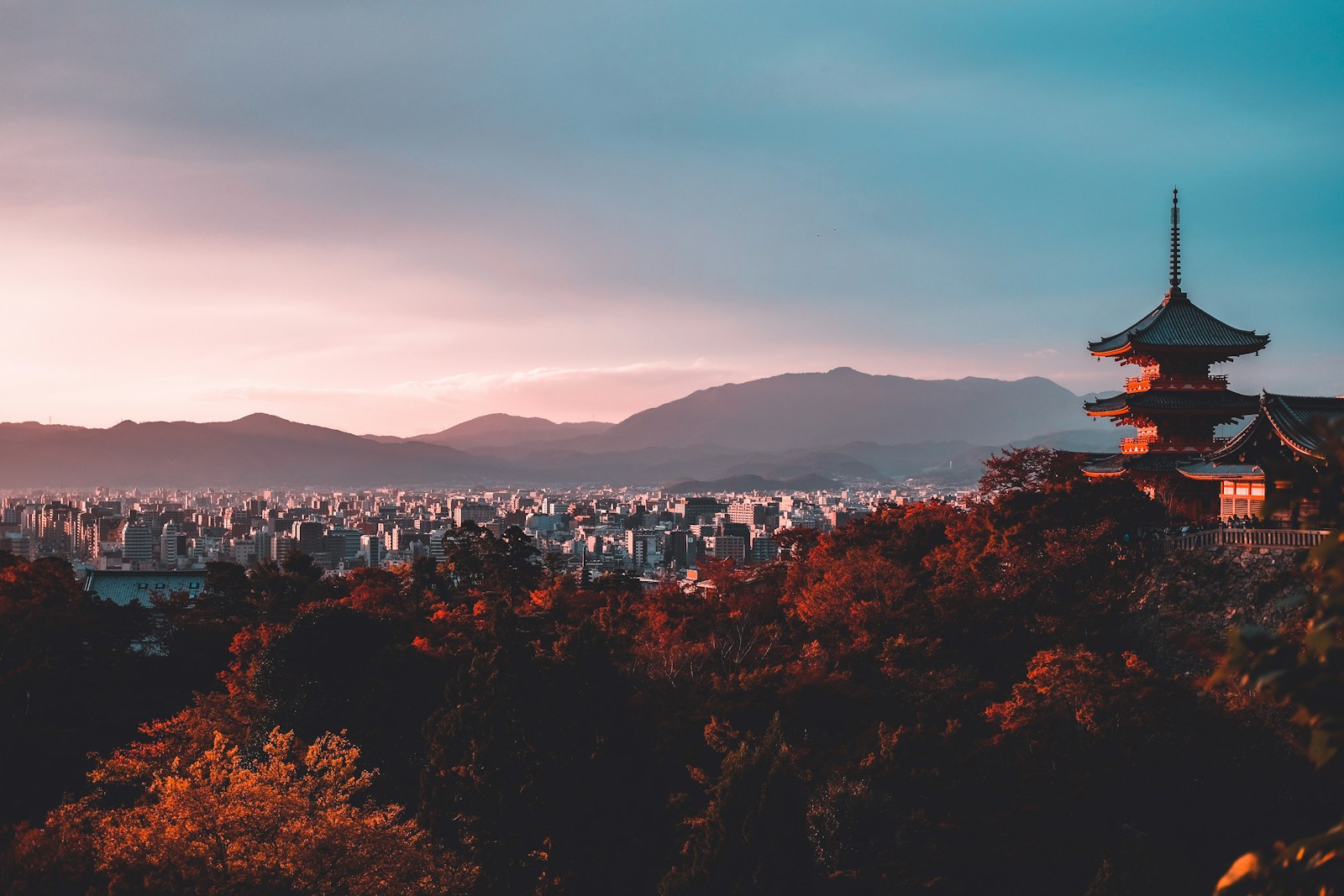
Afternoon. Head to Gion, Kyoto's famous geisha district. Start with Kiyomizu-dera Temple (6 AM - 6 PM, ¥400), a UNESCO World Heritage site with a stunning wooden stage offering panoramic views of Kyoto. Wander down the charming Sannenzaka and Ninenzaka slopes, lined with traditional shops and teahouses, leading towards Gion.
Evening. Dine in Gion. Seek out a traditional kyo-ryori (Kyoto cuisine) restaurant, or enjoy a more casual meal in a bustling area like Pontocho alley, known for its atmospheric lanterns and diverse eateries. Afterwards, stroll through the quieter backstreets of Gion, especially Hanamikoji-dori, hoping for a glimpse of a geiko (Kyoto geisha) or maiko (apprentice geisha) on their way to appointments.
🛏 Sleep: Kyoto Station area or Gion/Kawaramachi – Kyoto Station offers modern convenience and easy transit for day trips. Gion/Kawaramachi provides a more traditional, atmospheric experience with many cultural sites within walking distance.
🚆 Transport: Shinkansen 'Nozomi' from Tokyo Station to Kyoto Station (approx. 2.5 hours, ~¥13,000 unreserved, ~¥13,800 reserved). Local bus/subway in Kyoto for the afternoon.
💡 Tip: Book your Shinkansen tickets at least a day in advance, especially for Nozomi trains during peak season, as they can sell out. Use the JR Pass if applicable, but note Nozomi requires a surcharge or separate ticket.
Day 5: Kyoto: Arashiyama Bamboo & Golden Pavilion
Base: Kyoto
Morning. Journey to Arashiyama (approx. 30-40 min by train or bus). Visit the Arashiyama Bamboo Grove (always open, free), arriving right after sunrise (around 7 AM) to avoid the huge crowds and experience its quiet magic. Afterwards, explore Tenryu-ji Temple (8:30 AM - 5:00 PM, ¥500), another UNESCO site with beautiful gardens, which leads directly into the bamboo forest.
Afternoon. Take a scenic ride on the Sagano Romantic Train (book ahead, approx. 25 min, ¥630) along the Hozugawa River gorge (note: this only runs March-December). Afterward, head to Kinkaku-ji (Golden Pavilion) (9 AM - 5 PM, ¥400), a stunning Zen temple covered in gold leaf, one of Kyoto's most iconic sights. From Arashiyama, it's roughly 40-50 minutes by bus or train with a transfer.
Evening. Return to central Kyoto. For dinner, explore the vibrant Nishiki Market (closes around 6 PM, but surrounding restaurants stay open), known as 'Kyoto's Kitchen', for fresh seafood, pickles, and local delicacies. Or, indulge in a multi-course kaiseki meal for a refined culinary experience.
🛏 Sleep: Kyoto Station area or Gion/Kawaramachi – consistency in accommodation reduces travel stress.
🚆 Transport: JR Sagano Line from Kyoto Station to Saga-Arashiyama Station (approx. 17 min, ¥240). Local bus/taxi from Arashiyama to Kinkaku-ji. Local bus/subway back to central Kyoto.
💡 Tip: The Sagano Romantic Train often sells out, especially during cherry blossom and autumn foliage seasons. Book your tickets as soon as you arrive in Japan, or even try online through a third-party reseller if you're set on it.
Day 6: Nara: Deer Park & Todai-ji
Base: Kyoto
Morning. Take a short train ride from Kyoto Station to Nara (approx. 45 min via JR Nara Line Rapid, ¥720). Spend the morning in Nara Park (always open, free admission for the park itself), home to hundreds of wild sika deer who roam freely and bow for crackers (available for purchase, ¥200 for a pack).
Afternoon. Within Nara Park, visit Todai-ji Temple (7:30 AM - 5:30 PM, ¥600), a UNESCO World Heritage site housing a massive 15-meter-tall bronze Buddha statue in its Daibutsu-den (Great Buddha Hall), one of the world's largest wooden buildings. Explore the surrounding Nandaimon Gate with its impressive guardian statues.
Evening. Return to Kyoto. Enjoy a final Kyoto dinner in a neighborhood you haven't fully explored yet, perhaps around Kyoto Station for its modern dining scene, or venture to Fushimi Inari-taisha's nearby area for local eats if you plan an early morning visit there tomorrow (or consider doing it this evening if you're energetic and skip Nishiki Market).
🛏 Sleep: Kyoto Station area or Gion/Kawaramachi – your consistent base allows for easy day-tripping.
🚆 Transport: JR Nara Line Rapid from Kyoto Station to Nara Station (approx. 45 min, ¥720). Walking in Nara Park.
💡 Tip: While the deer in Nara Park are generally docile, remember they are wild animals. Avoid teasing them with crackers, always supervise children, and be mindful of their antlers, especially during mating season.
Day 7: Kyoto: Fushimi Inari & Departure
Base: Departure
Morning. Get an early start to Fushimi Inari-taisha Shrine (always open, free). Arrive by 7 AM to experience the iconic torii gate path with minimal crowds. Hike partly up the mountain, passing thousands of vibrant orange gates, or simply enjoy the lower shrines. This is arguably Kyoto's most photogenic spot. You can then head directly to Kansai International Airport (KIX) or Itami (ITM) from Fushimi Inari station (transfer to Kyoto Station, then onward).
Afternoon. Depending on your flight schedule, you can either enjoy a final Japanese meal near Kyoto Station before heading to the airport, or if time allows, visit a final spot like the Kyoto Imperial Palace (grounds always open, free; reservations needed for inside tours). Ensure you allow ample time for travel to the airport (KIX is ~75-90 min from Kyoto Station, ITM is ~55 min).
Evening. Depart from Kansai International Airport (KIX) or Itami Airport (ITM). Take the Haruka Limited Express train from Kyoto Station to KIX (approx. 75-80 min, ¥3,370 unreserved), or the Limousine Bus to ITM (approx. 55 min, ¥1,340).
🛏 Sleep: Overnight flight or your next destination.
🚆 Transport: JR Nara Line from Inari Station to Kyoto Station (approx. 5 min, ¥150). Haruka Limited Express from Kyoto Station to KIX, or Limousine Bus to ITM.
💡 Tip: If flying from Kansai International Airport (KIX), consider checking your larger luggage at Kyoto Station's JAL ABC or Yamato Transport counter the day before for airport delivery – this allows for a hands-free Fushimi Inari visit and smoother final day transit.
Day 1: Tokyo: Arrival & Shinjuku's Neon Glow
Base: Tokyo
Morning. Arrive at Narita (NRT) or Haneda (HND) Airport. Take the Narita Express (N'EX) or Keisei Skyliner to Shinjuku Station. Check into your hotel in Shinjuku. Aim to arrive around midday to allow for settling in and navigating the transit from the airport.
Afternoon. Head to the Tokyo Metropolitan Government Building Observatory in Shinjuku (open 9:30 AM - 10:00 PM). It's free and offers panoramic views of the city, including Mount Fuji on a clear day, which is a great orientation. Afterward, wander through Shinjuku Gyoen National Garden (closes 4:30 PM, ¥500 entry) for a serene contrast to the urban bustle.
Evening. Experience Shinjuku at night. Explore the vibrant neon-lit streets of Kabukicho (be aware it's the red-light district, fascinating but can be overwhelming). For dinner, seek out a cozy izakaya in Shinjuku Golden Gai, a tiny district of over 200 small bars, each with its own niche personality. Grab some yakitori and a drink.
🛏 Sleep: Shinjuku – excellent transport links via Shinjuku Station, plenty of dining and entertainment options, and diverse accommodation from business hotels to upscale. Stay near the station for ultimate convenience.
🚆 Transport: Narita Express (N'EX) from NRT to Shinjuku (approx. 80-90 min, ¥3270) or Tokyo Monorail + Yamanote Line from HND (approx. 40-50 min, ¥670). Once in Shinjuku, walking + local subway.
💡 Tip: Pre-purchase your N'EX round-trip ticket online before arriving to save time and a little money, especially if flying into Narita.
Day 2: Tokyo: Shibuya & Harajuku's Pop Culture
Base: Tokyo
Morning. Start with the iconic Shibuya Crossing. Get there early (before 9 AM) to witness the wave of pedestrians without the overwhelming mid-day crowds, then head up to the MAGNET by SHIBUYA 109 rooftop for an elevated view. Afterwards, explore the trendy shops and cafes of Shibuya.
Afternoon. Walk from Shibuya to Harajuku (15-20 minutes). Explore Takeshita Street, the epicenter of Tokyo's youth fashion and culture, trying a famous Harajuku crêpe. Then, find peace at Meiji Jingu Shrine (open sunrise to sunset, free entry), a sprawling oasis dedicated to Emperor Meiji and Empress Shoken, located right next to Harajuku Station.
Evening. Dine in the vibrant Dotonbori-esque streets around Shibuya, focusing on casual Japanese fare like ramen or conveyor-belt sushi. Or, for a change of pace, explore the more upscale dining options in Omotesando, known for its elegant tree-lined avenue and high-end boutiques, just a short walk from Harajuku.
🛏 Sleep: Shinjuku – staying in the same hotel minimizes packing and allows for easier early starts from a familiar base.
🚆 Transport: Walking and Tokyo Metro (Yamanote Line for efficient loops around major districts).
💡 Tip: Use the Yamanote Line (JR Pass valid) to travel between Shibuya and Harajuku easily if you prefer not to walk, as both stations are directly on the loop.
Day 3: Tokyo: Asakusa's History & Ueno's Art
Base: Tokyo
Morning. Immerse yourself in old Tokyo at Asakusa. Visit Senso-ji Temple (always open, free), Tokyo's oldest temple, passing through Nakamise-dori market street. Aim to arrive right at 7 AM when the main hall opens to experience a quieter side before the tourist crush. Take a rickshaw ride for a unique perspective on the area's history.
Afternoon. Take the subway to Ueno Park (approx. 10-15 min). Spend the afternoon at one of Ueno's world-class museums, such as the Tokyo National Museum (closes 5 PM, ¥1000) for Japanese art and artifacts, or the Tokyo Metropolitan Art Museum. The park itself is a pleasant escape, especially in spring.
Evening. Enjoy dinner in Ueno, an area known for its diverse dining options, from casual izakayas to more refined Japanese cuisine. Consider trying unagi (grilled eel) at a local specialty restaurant. Afterwards, perhaps catch a kabuki performance in Ginza if your schedule aligns (check Shochiku Co. website for tickets and showtimes).
🛏 Sleep: Tokyo Station area or Ginza – reposition closer to your Shinkansen departure point for tomorrow. Ginza offers upscale dining and shopping, while Tokyo Station provides ultimate convenience for early train departures.
🚆 Transport: Tokyo Metro (Ginza Line from Asakusa to Ueno, then to Tokyo Station/Ginza).
💡 Tip: For Senso-ji, enter through a smaller side gate instead of Nakamise-dori first thing in the morning to reach the main hall directly and beat the initial rush of shoppers.
Day 4: Kyoto: Arrival & Gion's Geisha District
Base: Kyoto
Morning. Take an early Shinkansen (bullet train) from Tokyo Station to Kyoto Station (approx. 2.5 hours via Nozomi, reserve tickets in advance). Upon arrival, check your luggage into your hotel. If your room isn't ready, use a locker at Kyoto Station.
Afternoon. Head to Gion, Kyoto's famous geisha district. Start with Kiyomizu-dera Temple (6 AM - 6 PM, ¥400), a UNESCO World Heritage site with a stunning wooden stage offering panoramic views of Kyoto. Wander down the charming Sannenzaka and Ninenzaka slopes, lined with traditional shops and teahouses, leading towards Gion.
Evening. Dine in Gion. Seek out a traditional kyo-ryori (Kyoto cuisine) restaurant, or enjoy a more casual meal in a bustling area like Pontocho alley, known for its atmospheric lanterns and diverse eateries. Afterwards, stroll through the quieter backstreets of Gion, especially Hanamikoji-dori, hoping for a glimpse of a geiko (Kyoto geisha) or maiko (apprentice geisha) on their way to appointments.
🛏 Sleep: Kyoto Station area or Gion/Kawaramachi – Kyoto Station offers modern convenience and easy transit for day trips. Gion/Kawaramachi provides a more traditional, atmospheric experience with many cultural sites within walking distance.
🚆 Transport: Shinkansen 'Nozomi' from Tokyo Station to Kyoto Station (approx. 2.5 hours, ~¥13,000 unreserved, ~¥13,800 reserved). Local bus/subway in Kyoto for the afternoon.
💡 Tip: Book your Shinkansen tickets at least a day in advance, especially for Nozomi trains during peak season, as they can sell out. Use the JR Pass if applicable, but note Nozomi requires a surcharge or separate ticket.
Day 5: Kyoto: Arashiyama Bamboo & Golden Pavilion
Base: Kyoto
Morning. Journey to Arashiyama (approx. 30-40 min by train or bus). Visit the Arashiyama Bamboo Grove (always open, free), arriving right after sunrise (around 7 AM) to avoid the huge crowds and experience its quiet magic. Afterwards, explore Tenryu-ji Temple (8:30 AM - 5:00 PM, ¥500), another UNESCO site with beautiful gardens, which leads directly into the bamboo forest.
Afternoon. Take a scenic ride on the Sagano Romantic Train (book ahead, approx. 25 min, ¥630) along the Hozugawa River gorge (note: this only runs March-December). Afterward, head to Kinkaku-ji (Golden Pavilion) (9 AM - 5 PM, ¥400), a stunning Zen temple covered in gold leaf, one of Kyoto's most iconic sights. From Arashiyama, it's roughly 40-50 minutes by bus or train with a transfer.
Evening. Return to central Kyoto. For dinner, explore the vibrant Nishiki Market (closes around 6 PM, but surrounding restaurants stay open), known as 'Kyoto's Kitchen', for fresh seafood, pickles, and local delicacies. Or, indulge in a multi-course kaiseki meal for a refined culinary experience.
🛏 Sleep: Kyoto Station area or Gion/Kawaramachi – consistency in accommodation reduces travel stress.
🚆 Transport: JR Sagano Line from Kyoto Station to Saga-Arashiyama Station (approx. 17 min, ¥240). Local bus/taxi from Arashiyama to Kinkaku-ji. Local bus/subway back to central Kyoto.
💡 Tip: The Sagano Romantic Train often sells out, especially during cherry blossom and autumn foliage seasons. Book your tickets as soon as you arrive in Japan, or even try online through a third-party reseller if you're set on it.
Day 6: Nara: Deer Park & Todai-ji
Base: Kyoto
Morning. Take a short train ride from Kyoto Station to Nara (approx. 45 min via JR Nara Line Rapid, ¥720). Spend the morning in Nara Park (always open, free admission for the park itself), home to hundreds of wild sika deer who roam freely and bow for crackers (available for purchase, ¥200 for a pack).
Afternoon. Within Nara Park, visit Todai-ji Temple (7:30 AM - 5:30 PM, ¥600), a UNESCO World Heritage site housing a massive 15-meter-tall bronze Buddha statue in its Daibutsu-den (Great Buddha Hall), one of the world's largest wooden buildings. Explore the surrounding Nandaimon Gate with its impressive guardian statues.
Evening. Return to Kyoto. Enjoy a final Kyoto dinner in a neighborhood you haven't fully explored yet, perhaps around Kyoto Station for its modern dining scene, or venture to Fushimi Inari-taisha's nearby area for local eats if you plan an early morning visit there tomorrow (or consider doing it this evening if you're energetic and skip Nishiki Market).
🛏 Sleep: Kyoto Station area or Gion/Kawaramachi – your consistent base allows for easy day-tripping.
🚆 Transport: JR Nara Line Rapid from Kyoto Station to Nara Station (approx. 45 min, ¥720). Walking in Nara Park.
💡 Tip: While the deer in Nara Park are generally docile, remember they are wild animals. Avoid teasing them with crackers, always supervise children, and be mindful of their antlers, especially during mating season.
Day 7: Kyoto: Fushimi Inari & Departure
Base: Departure
Morning. Get an early start to Fushimi Inari-taisha Shrine (always open, free). Arrive by 7 AM to experience the iconic torii gate path with minimal crowds. Hike partly up the mountain, passing thousands of vibrant orange gates, or simply enjoy the lower shrines. This is arguably Kyoto's most photogenic spot. You can then head directly to Kansai International Airport (KIX) or Itami (ITM) from Fushimi Inari station (transfer to Kyoto Station, then onward).
Afternoon. Depending on your flight schedule, you can either enjoy a final Japanese meal near Kyoto Station before heading to the airport, or if time allows, visit a final spot like the Kyoto Imperial Palace (grounds always open, free; reservations needed for inside tours). Ensure you allow ample time for travel to the airport (KIX is ~75-90 min from Kyoto Station, ITM is ~55 min).
Evening. Depart from Kansai International Airport (KIX) or Itami Airport (ITM). Take the Haruka Limited Express train from Kyoto Station to KIX (approx. 75-80 min, ¥3,370 unreserved), or the Limousine Bus to ITM (approx. 55 min, ¥1,340).
🛏 Sleep: Overnight flight or your next destination.
🚆 Transport: JR Nara Line from Inari Station to Kyoto Station (approx. 5 min, ¥150). Haruka Limited Express from Kyoto Station to KIX, or Limousine Bus to ITM.
💡 Tip: If flying from Kansai International Airport (KIX), consider checking your larger luggage at Kyoto Station's JAL ABC or Yamato Transport counter the day before for airport delivery – this allows for a hands-free Fushimi Inari visit and smoother final day transit.
Travel tips
- While a Japan Rail Pass can be economical for longer trips, for a 7-day Tokyo-Kyoto-Nara itinerary, individual Shinkansen tickets (especially Nozomi) often work out cheaper or comparable, giving you more flexibility. Do the math for your exact route.
- Always carry a small amount of cash. While major cities accept cards, many smaller restaurants, shops, and temple offerings are cash-only.
- Learning a few basic Japanese phrases like 'Arigato gozaimasu' (Thank you), 'Sumimasen' (Excuse me/Sorry), and 'Konnichiwa' (Hello) goes a long way with locals.
- Download Google Maps and Japan Official Travel App's 'Japan Transit Planner' for accurate and essential public transport navigation, including costs and platform numbers.
- For popular restaurants, especially in Tokyo and Kyoto, consider making reservations a few days in advance using your hotel concierge or a third-party booking service like TableCheck.
- Look for 'Set Lunch' (teishoku) menus offered by many restaurants during weekdays; they're an excellent way to sample quality Japanese cuisine at a significantly lower price point than dinner.
- Bags larger than 160cm (length + width + height) or those that exceed 60cm in length require a 'oversized baggage' reservation on the Shinkansen. Book these special seats when you purchase your ticket.
- Many temples and shrines, particularly in Kyoto, open very early (e.g., 6 AM or 7 AM). Visiting right at opening offers a much more peaceful and less crowded experience, allowing for better photos and reflection.
- Do not tip in Japan. It is not customary and can even be considered rude. Excellent service is simply expected.
FAQs
How much does a 7-day Japan Rail Pass cost and is it worth it for this itinerary?
A 7 - day Japan Rail Pass costs around ¥50,000 (currently, as of late 2023). For this specific Tokyo - Kyoto - Nara itinerary, individual Shinkansen tickets (Tokyo - Kyoto round trip and Kyoto - Nara day trip) will likely total less than ¥30,000, making the JR Pass generally not cost - effective. However, if you plan additional side trips beyond Nara or prioritize convenience over slight savings, consider it.What is the best way to get around Tokyo and Kyoto?
In Tokyo, the most efficient way to get around is using the extensive subway and JR train lines, especially the Yamanote Line. In Kyoto, an excellent bus network covers most major attractions, supplemented by two subway lines. Purchasing a Suica or Pasmo IC card is highly recommended for seamless travel on all local trains and buses.Do I need to make restaurant reservations in Japan?
For casual eateries, ramen shops, and standard izakayas, reservations are generally not needed. However, for popular kaiseki (multi - course) restaurants, specific sushi counters, or any establishment with limited seating, it's highly advisable to book at least a few days to a week in advance, often through your hotel concierge or online booking platforms like TableCheck or OpenTable JP.Is English widely spoken in Japan?
In major tourist areas, hotels, and larger train stations, you'll find English speakers, but it's not universally common. Street signs and public transport are often in English, but having a translation app (like Google Translate) is incredibly helpful for smaller shops, restaurants, and general interactions. Most Japanese people are very polite and will try their best to assist you.Can I use my credit card everywhere in Japan?
While credit card acceptance is growing, especially in major department stores, hotels, and chain restaurants, Japan is still largely a cash - based society. Many smaller shops, temples, shrines, some traditional ryokans, and local eateries prefer or only accept cash. Always carry sufficient Japanese Yen.What are the rules for visiting temples and shrines?
When visiting temples and shrines, dress modestly, ensuring shoulders and knees are covered. Remove your shoes before entering many temple halls or traditional buildings. Refrain from taking photos of Buddha statues or inside sacred areas where signs prohibit it. Be respectful, keep your voice down, and don't disturb worshippers.


