
Itinerary
10 Days in India: Delhi, Agra & Rajasthan
Old Delhi, the Taj at sunrise, and Jaipur forts — with realistic travel times.
Overview
This 10 - day itinerary dives deep into India's iconic Golden Triangle, adding a spiritual pause in Pushkar before looping back to Delhi. We're prioritizing depth over rushing through sights, balancing the intense energy of Delhi and Agra with the calmer pace of Jaipur and the lakeside tranquility of Pushkar. Expect early starts for key monuments and evenings dedicated to market exploration and local culinary adventures. It’s a route that truly gets under the skin of North India, demanding your full attention.
Who it's for
This itinerary is ideal for first - time visitors to India who want a comprehensive, yet manageable, introduction to the Golden Triangle's history, culture, and vibrant chaos. It suits couples or small groups willing to embrace early mornings and busy markets. Skip this if you dislike long train journeys or prefer independent driving; the distances between cities are significant and best covered by train or private car with a driver.
Best time to go
The sweet spot for this Golden Triangle route is October to March. Outside of this, you’re looking at oppressive heat (April - June) or monsoon rains (July - September) which can severely impact travel times and comfort, especially in the desert - adjacent areas of Rajasthan. Diwali, usually in October or November, is a vibrant but crowded time to visit, while Holi (March) brings an explosion of color. Aim for November or February for pleasant weather and fewer crowds.
Budget
| Style | Per day | What it buys |
|---|---|---|
| Budget | $40 - 65/day | Hostel dorms or basic guesthouses, street food, local buses/trains (sleeper class). Expect to haggle for everything. |
| Mid - range | $90 - 140/day | Clean 3 - star hotels, mix of local restaurants and mid - range cafes, AC train travel (3AC/2AC), pre - booked taxis. |
| Comfort | $180 - 300+/day | Boutique hotels or 4 - star properties, fine dining, private car and driver throughout, domestic flights for longer legs. |
What to pack
- Loose, breathable clothing (cotton or linen) covering shoulders and knees for temple visits.
- A lightweight scarf or shawl for women, useful for temple entry and sun protection.
- Comfortable walking sandals that are easy to slip on and off for monument entries.
- A small medical kit with rehydration salts, anti - diarrhea medication, and band - aids.
- Portable power bank for charging phones on the go, especially during long travel days.
- Earplugs for noisy train journeys or early morning street sounds.
Day 1: Delhi: Old City immersion & spice market chaos
Base: Delhi
Morning. Arrive at Indira Gandhi International Airport (DEL). After checking into your hotel in Paharganj or Karol Bagh, head straight to Old Delhi. Start at the Red Fort (closed Mondays, aim for a 9:30 AM entry) from the Lahore Gate, but don't linger too long inside; the real magic is outside. Afterward, dive into Chandni Chowk, taking a cycle rickshaw through its narrow lanes.
Afternoon. Lunch is street food in Chandni Chowk – parathas from Parathe Wali Gali or chole bhature from Sita Ram Diwan Chand. Post - lunch, explore the Khari Baoli Spice Market, Asia's largest, where the sensory overload is magnificent. Head up to the rooftop for a panoramic view of the old city.
Evening. Dinner in Connaught Place, a more modern area, at a restaurant like Saravana Bhavan for excellent South Indian thali. Take a leisurely evening stroll around the Georgian - style colonnades. Be aware of your surroundings and consider a pre - booked taxi back to your accommodation.
🛏 Sleep: Paharganj/Karol Bagh — central, well - connected to public transport, and offers a good range of budget to mid - range hotels.
🚆 Transport: Walking and cycle rickshaws within Old Delhi; Delhi Metro for longer distances within Delhi; no intercity transport today.
💡 Tip: Download the Delhi Metro map beforehand. It's the most efficient way to navigate the city's vast distances, but avoid rush hour (8 - 10 AM, 5 - 7 PM) if possible.
Day 2: Delhi: Mughal grandeur & Qutub Minar
Base: Delhi
Morning. Start with Humayun's Tomb (opens 6 AM), often considered a precursor to the Taj Mahal. Arrive right at opening to experience the serene gardens before the crowds. Allow 2 hours here, then head to India Gate for a quick photo stop, followed by a drive past the Parliament House and Rashtrapati Bhavan (President's Residence).
Afternoon. Lunch in Khan Market, an upscale area with plenty of cafes and restaurants. Afterward, visit Qutub Minar (opens 6:30 AM), a UNESCO World Heritage site. Explore the complex, including the Iron Pillar and Quwwat - ul - Islam Mosque, allowing at least 1.5 - 2 hours.
Evening. Explore Hauz Khas Village, a charming urban village with a medieval reservoir and ruins, now home to trendy cafes and boutiques. Have dinner at a rooftop restaurant overlooking the lake and ruins.
🛏 Sleep: Paharganj/Karol Bagh — stick to the same base for continuity and ease of access to the railway station tomorrow.
🚆 Transport: Private car with driver or Uber/Ola for efficient city navigation; no intercity transport today.
💡 Tip: For Qutub Minar and Humayun's Tomb, consider hiring a licensed guide at the entrance for deeper historical context; negotiate the price upfront (around INR 500 - 800 for 1 - 2 hours).
Day 3: Agra: Taj Mahal at dawn & Agra Fort
Base: Agra
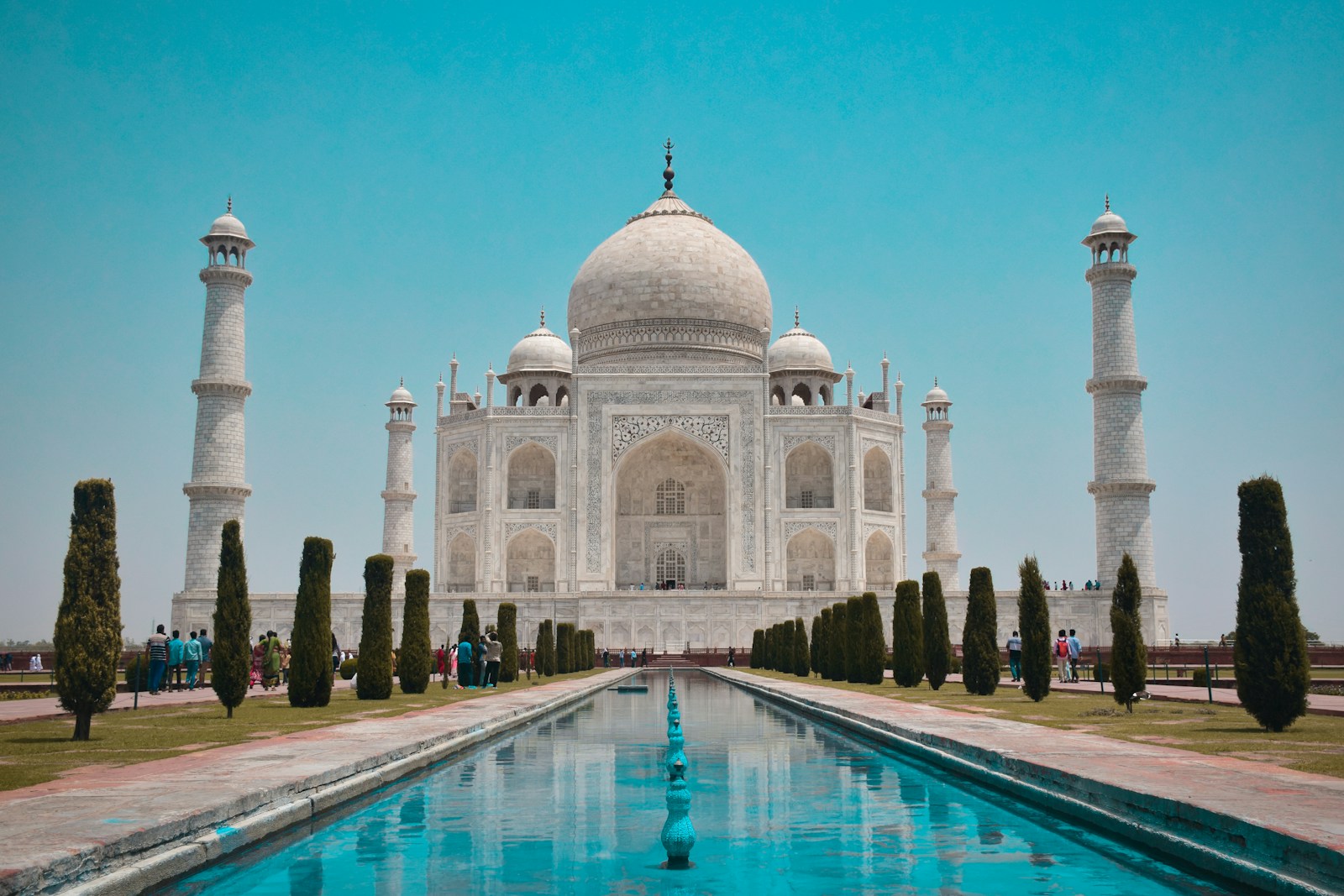
Morning. Take the early morning Gatimaan Express from Delhi's Hazrat Nizamuddin (NZM) to Agra Cantt (AGC) (departs ~8:10 AM, arrives ~9:50 AM). Upon arrival, check into your hotel and head straight for the Taj Mahal (opens 30 minutes before sunrise, closed Fridays). Aim to be there before sunrise for the best light and fewer crowds. Allow 3 - 4 hours to properly soak it in.
Afternoon. After the Taj, visit Agra Fort (opens 6 AM), a massive red sandstone fortress that served as the main residence of the Mughal emperors. Explore its palaces, mosques, and audience halls, noting the distant views of the Taj Mahal from across the Yamuna River. Lunch at a local restaurant near the fort, like The Local House for traditional thali.
Evening. Visit Mehtab Bagh for a sunset view of the Taj Mahal from across the river – it's a quieter, often overlooked perspective. For dinner, explore the Sadar Bazaar area, known for its local eateries and street food. Try Petha, Agra's famous sweet delicacy.
🛏 Sleep: Agra Cantt area — close to the railway station and many hotels, making early morning departures and arrivals convenient.
🚆 Transport: Gatimaan Express from Delhi to Agra (journey ~1 hour 40 minutes); pre - book tickets via IRCTC or a reliable agent a month in advance. Rickshaws/taxis for local transport in Agra.
💡 Tip: Book your Taj Mahal tickets online in advance via the official Archaeological Survey of India website to save time and skip queues at the ticket counter. Foreigner entry is INR 1100 + 200 (for main mausoleum access).
Day 4: Fatehpur Sikri & Jaipur: Pink City Arrival
Base: Jaipur
Morning. After an early breakfast, depart for Fatehpur Sikri (opens 6 AM, 1 hour drive from Agra). This perfectly preserved Mughal ghost city, a UNESCO World Heritage site, served as the capital for a brief period. Focus on Jama Masjid, Buland Darwaza, and the Tomb of Salim Chishti. Allow 2 - 3 hours.
Afternoon. Continue your journey to Jaipur (approx. 4 - 5 hours drive from Fatehpur Sikri). Upon arrival, check into your hotel. If time permits, take a walk through Johari Bazaar, famous for its jewelry and textiles, to get a feel for the Pink City.
Evening. Dinner at Peacock Rooftop Restaurant at Hotel Pearl Palace – excellent food, great ambiance, and often live music. Alternatively, try a traditional Rajasthani thali at Chokhi Dhani, an ethnic village resort experience (requires a dedicated evening).
🛏 Sleep: Old City/Pink City area — for easy walking access to major attractions like Hawa Mahal and City Palace, and a vibrant street atmosphere.
🚆 Transport: Pre - booked private taxi with driver from Agra to Jaipur, including the stop at Fatehpur Sikri. This is the most practical option for this leg.
💡 Tip: When visiting Fatehpur Sikri, ignore the touts and self - proclaimed guides at the entrance. Stick to the official ticket counter and consider hiring an authorized guide if you want commentary.
Day 5: Jaipur: Forts, Palaces & Markets
Base: Jaipur
Morning. Start early with Amer Fort (Amber Fort) (opens 8 AM), located just outside the city. Arrive before 9 AM to avoid the largest crowds. Take an elephant ride (controversial, consider a jeep ride instead) or walk up to the fort. Explore its intricate palaces, courtyards, and Sheesh Mahal (Mirror Palace). Allow 2.5 - 3 hours.
Afternoon. Return to the city for a quick photo stop at Jal Mahal (Water Palace) from Mansagar Lake. Lunch at a cafe near City Palace. Then, visit the City Palace (opens 9:30 AM), a complex of courtyards, gardens, and buildings, home to the Chandra Mahal and Mubarak Mahal. Walk to the nearby Hawa Mahal (Palace of Winds) for exterior photos.
Evening. Explore the vibrant Bapu Bazaar, known for its leather goods (Jaipuri juttis - traditional shoes) and textiles. Dinner at Laxmi Mishtan Bhandar (LMB) for traditional Rajasthani vegetarian food, especially their famous Ghewar sweet.
🛏 Sleep: Old City/Pink City area — continue to soak in the central energy and proximity to sights.
🚆 Transport: Private car with driver or auto - rickshaws for getting around Jaipur's attractions; no intercity transport today.
💡 Tip: Bargaining is expected in all bazaars. Start at 30 - 50% of the quoted price and negotiate politely but firmly. It's part of the shopping experience in India.
Day 6: Jaipur: Astronomy & Stepwells, then Pushkar bound
Base: Pushkar
Morning. Visit Jantar Mantar (opens 9 AM), the royal observatory and UNESCO World Heritage site, featuring a collection of architectural astronomical instruments. Hire a guide to understand its ingenious design. Afterward, drive to Panna Meena ka Kund, a stunning ancient stepwell near Amer Fort, for photos.
Afternoon. Lunch in a modern cafe near C Scheme or Civil Lines, perhaps Anokhi Cafe for organic fare. Then, embark on your journey to Pushkar (approx. 3 - 4 hours drive). Check into your guesthouse upon arrival.
Evening. Take a leisurely walk around Pushkar Lake, observing the various ghats and temples. Dinner at a rooftop cafe overlooking the lake, enjoying the relaxed, spiritual ambiance. Try some of the local vegetarian food, as Pushkar is a holy town.
🛏 Sleep: Near Pushkar Lake — choose a guesthouse with a rooftop view of the lake for a truly immersive experience.
🚆 Transport: Pre - booked private taxi with driver from Jaipur to Pushkar. This allows for flexibility and comfort.
💡 Tip: Pushkar is a holy town; alcohol and non - vegetarian food are generally not served. Respect local customs by dressing modestly, especially when visiting temples or the lake.
Day 7: Pushkar: Sacred lake & desert vibes
Base: Pushkar
Morning. Start with a sunrise visit to Pushkar Lake, observing pilgrims taking holy dips. Then, visit the Brahma Temple (opens 6:30 AM), one of the few temples dedicated to Lord Brahma in the world. Explore the colorful Pushkar Bazaar, famous for its handicrafts, textiles, and silver jewelry.
Afternoon. Lunch at a lakeside cafe, enjoying the peaceful atmosphere. In the afternoon, consider a camel safari into the surrounding desert (short 1 - 2 hour rides are common) for a taste of rural Rajasthan and sunset views. Pre - book through your guesthouse or a reputable local operator.
Evening. Enjoy another serene evening by the lake, perhaps attending a small aarti (prayer ceremony) at one of the ghats. Dinner at a restaurant with live Rajasthani folk music, if available, for an authentic cultural experience.
🛏 Sleep: Near Pushkar Lake — enjoy one more night of this tranquil escape.
🚆 Transport: Walking and local auto - rickshaws for getting around Pushkar; no intercity transport today.
💡 Tip: Be wary of 'priests' at the Pushkar ghats who might pressure you into performing pujas (religious rituals) and then demand exorbitant donations. A polite but firm 'no thank you' is sufficient.
Day 8: Return to Delhi: Train journey & evening markets
Base: Delhi
Morning. Enjoy a relaxed breakfast in Pushkar. Then, drive to Ajmer Junction (approx. 30 minutes) to catch a train back to Delhi. The Ajmer - Delhi Shatabdi Express (departs ~3:40 PM, arrives ~10:40 PM) is a good option. Purchase a packed lunch or snacks for the journey.
Afternoon. The train journey back to Delhi is long but comfortable if you've booked AC chair car. Use the time to relax, read, or reflect on your India experiences. Alternatively, take an earlier train if you prefer arriving sooner, though direct trains from Ajmer to Delhi can be less frequent.
Evening. Arrive in Delhi and check back into your hotel. If you're not too tired, explore Dilli Haat, an open - air market showcasing crafts, food, and cultural performances from different Indian states. Have a late dinner there, sampling regional specialties.
🛏 Sleep: Aerocity/Mahipalpur area — convenient for early morning airport access, with modern hotels and good connectivity.
🚆 Transport: Private taxi from Pushkar to Ajmer Junction; train (Shatabdi Express) from Ajmer to Delhi; taxi/Uber to hotel in Delhi.
💡 Tip: Book train tickets from Ajmer to Delhi well in advance, especially for popular Shatabdi or Rajdhani services, as they sell out quickly. Use the IRCTC website or a trusted local agent.
Day 9: Delhi: Exploring Lutyens' Delhi & Souvenirs
Base: Delhi
Morning. Start your day with a visit to the Lotus Temple (opens 9 AM, closed Mondays), a Baháʼí House of Worship known for its distinctive lotus - like architectural shape. It's a peaceful space for meditation. Afterward, head to Agrasen ki Baoli, an ancient stepwell in the heart of the city, an architectural marvel and a quiet escape.
Afternoon. Lunch at a cafe in Hauz Khas Village again, or explore the contemporary art scene in Feroz Shah Kotla, a ruin with spiritual significance. Spend the afternoon shopping for souvenirs at Dilli Haat or Janpath Market, known for its eclectic mix of clothes, jewelry, and handicrafts.
Evening. Enjoy a farewell dinner in Khan Market or a fine - dining experience in South Delhi. Consider a cooking class if you're interested in Indian cuisine, or simply relax and reflect on your journey. This is a day for slower exploration and enjoying the city's modern side.
🛏 Sleep: Aerocity/Mahipalpur area — maintains proximity to the airport for your departure tomorrow.
🚆 Transport: Metro or private car/Uber for Delhi city exploration; no intercity transport today.
💡 Tip: If shopping at Janpath Market, remember to haggle fiercely. Vendors expect it, and you can often get items for half or even a third of the initial asking price.
Day 10: Delhi: Departure
Base: Delhi
Morning. Depending on your flight schedule, enjoy a final Indian breakfast at your hotel. If you have a later flight, consider a quick visit to the Akshardham Temple (opens 9:30 AM, closed Mondays), a sprawling complex dedicated to Swaminarayan, known for its intricate carvings and exhibitions. Allow 3 - 4 hours here, but check baggage restrictions if going straight to the airport.
Afternoon. Transfer to Indira Gandhi International Airport (DEL) for your departure. Ensure you allow ample time for traffic, especially if traveling during peak hours.
Evening. Depart from Delhi.
🛏 Sleep: N/A
🚆 Transport: Taxi/Uber to Delhi Airport.
💡 Tip: Arrive at Delhi airport at least 3 hours before your international flight. Security can be time - consuming, and terminals are large. Check your baggage allowance with your airline beforehand.
Travel tips
- When taking auto - rickshaws, always agree on the price BEFORE you start the journey. For longer distances, use ride - hailing apps like Uber or Ola for transparent pricing.
- Always carry small denominations of Indian Rupees (INR 10, 20, 50, 100) for street vendors, tips, and small purchases. Many places don't have change for larger notes.
- Be prepared for touts and hawkers at major tourist sites. A polite but firm 'no thank you' (nahi shukriya in Hindi) is usually effective. Avoid engaging in long conversations unless you intend to buy.
- For train travel, book tickets weeks or even months in advance through the official IRCTC website (requires an Indian phone number for registration, so an agent is often easier for foreigners) or trusted platforms like MakeMyTrip. AC Chair Car or 3AC are comfortable options.
- Stay vigilant about your belongings in crowded areas, especially markets and train stations. Use a cross - body bag or a money belt.
- Carry a reusable water bottle and consider a water purifier or purification tablets. While bottled water is widely available, reducing plastic waste is always good. See our guide on Safe Drinking Water Abroad for more.
- Embrace the chaos. India is an assault on the senses, and while it can be overwhelming, leaning into the experience rather than fighting it will make your trip far more enjoyable.
- Learn a few basic Hindi phrases like 'Namaste' (hello/goodbye), 'Dhanyawad' (thank you), and 'Kitna hai?' (How much?). Locals appreciate the effort.
- When visiting religious sites, remember to remove your shoes. Some temples may also require covering your head; keep a scarf handy.
FAQs
Do I need a visa for India?
Yes, most foreign nationals require a visa to enter India. E - visas are available for citizens of many countries and can be applied for online, typically taking 3 - 5 business days to process. Always check the official Indian government visa website for the most up - to - date requirements for your nationality before you travel.Is it safe to travel solo in India?
Solo travel, especially for women, requires extra vigilance in India. Stick to well - lit, busy areas, avoid going out alone late at night, and always inform someone of your whereabouts. Pre - book taxis or use ride - hailing apps. This itinerary is well - suited for solo travel, but always prioritize safety. See also our guide on Solo Female Travel Safety.What's the best way to get around between cities?
For this Golden Triangle route, a combination of trains (like the Gatimaan Express between Delhi and Agra) and pre - booked private cars with drivers is most efficient. Buses are cheaper but often slower and less comfortable for long distances. Train travel in India is an experience in itself.What kind of food should I expect?
Expect a rich variety of North Indian vegetarian and non - vegetarian cuisine. Staples include curries, tandoori breads (naan, roti), biryani, and various lentil (dal) dishes. Street food is ubiquitous but choose vendors with high turnover and visible hygiene. Drink only bottled or purified water to avoid getting sick.How much should I tip in India?
Tipping is not as standardized as in some Western countries but is appreciated. For restaurant staff, 5 - 10% is customary for good service. For private drivers, around INR 300 - 500 per day is a good guideline. For porters or hotel staff, INR 50 - 100 is sufficient. See our full guide on Global Tipping Etiquette for more.What is the internet and mobile situation like?
Local SIM cards are readily available with cheap data plans from providers like Airtel or Jio, but often require passport photos and can take 24 - 48 hours to activate. Alternatively, consider an eSIM for immediate connectivity upon arrival, which can be more convenient. Wi - Fi is common in hotels and many cafes.


