
Travel Costs
How Much Does a Trip to India Cost? (2026 Breakdown)
Golden Triangle plus a Kerala or Goa add-on — trains, private-car days, and where Indian hotel tiers actually land.
Overview
Don't let the 'cheap India' myth fool you completely. While local costs are low, internal flights, premium trains, and anything resembling comfort quickly add up. A 14 - day trip can swing from $500 to $5,000 per person, largely dictated by your accommodation choices, the number of internal flights you take, and whether you opt for private drivers over public transport. Food is generally inexpensive, but quality Western - style meals or high - end dining will be a noticeable line item. The sheer size of the country means transport, especially expedited options, will dominate your budget. Cost of living in India is generally lower than in many Western countries, which contributes to the perception of it being a cheap destination. However, as noted, certain amenities and travel styles can significantly increase the overall cost. For more detailed insights into planning your visit, you might want to explore the best time to visit India.
Currency & payments
The Indian Rupee (INR) is the local currency. As of late 2024, the exchange rate hovers around 83 INR to 1 USD. ATMs are widely available in cities and larger towns, but always use bank - attached machines for security. Major credit cards (Visa, Mastercard) are accepted in most hotels, upscale restaurants, and larger stores, but smaller establishments, street vendors, and auto - rickshaws are cash - only. Keep smaller denominations (10, 20, 50, 100 INR notes) for daily transactions and tipping. Tipping is not mandatory but appreciated for good service; 5 - 10% in restaurants, 50 - 100 INR for drivers, and a small amount for hotel staff is common.
When to book
Flights into India are typically cheapest 3 - 5 months out, avoiding the peak December - January holiday season where prices can jump 30 - 50%. Domestic flights see less fluctuation but book 2 - 4 weeks in advance for better rates on carriers like IndiGo and Vistara, especially for popular routes like Delhi - Mumbai or Delhi - Goa. Train tickets, particularly for AC classes on popular routes, can sell out months in advance; use 12Go.asia or IRCTC. Hotels often have promotions closer to the date during the shoulder seasons (October/March), but securing a good price for December/January requires booking 4 - 6 months out, especially for sought - after heritage properties or beach resorts.
Daily & trip budget
| Style | Per day | Per trip | What it buys |
|---|---|---|---|
| Budget | $35 - 50/day | $490 - 700 for 14 days (excl. flights) | Hostel dorms/basic guesthouses, street food/local thalis, sleeper class trains/local buses, minimal paid activities. |
| Mid - range | $80 - 130/day | $1120 - 1820 for 14 days (excl. flights) | 3 - star hotels/boutique guesthouses, mix of local restaurants and mid - range dining, AC train classes/occasional internal flights, moderate activity spend. |
| Comfort | $200 - 400+/day | $2800 - 5600+ for 14 days (excl. flights) | 4 - 5 star hotels, fine dining, internal flights/private drivers, guided tours and premium experiences. |
Cost by category
| Category | Budget | Mid - range | Comfort | Notes |
|---|---|---|---|---|
| Flights (from major hub) | $800 - 1200 | $1000 - 1600 | $1500 - 2500+ | Round - trip from NYC/London to Delhi/Mumbai. Use Skyscanner, Google Flights. |
| Accommodation | $15 - 30/night | $40 - 80/night | $120 - 300+/night | Zostel/Hostelworld for budget; Booking.com/Agoda for mid - range (e.g., Treebo, FabHotels); higher - end hotels like Taj, Oberoi. |
| Food & drink | $10 - 20/day | $30 - 50/day | $60 - 100+/day | Street food, local thali joints; mid - range restaurants; fine dining/international cuisine. |
| Local transport | $5 - 15/day | $20 - 40/day | $50 - 100+/day | Auto - rickshaws, metro; taxis/Ola/Uber, AC trains; private car & driver, internal flights. |
| Activities & entrance fees | $5 - 15/day | $20 - 40/day | $50 - 150+/day | Basic monument entry (Taj Mahal ~$20); guided tours, national park safaris (Ranthambore ~$70 - 100). |
| Internal Travel (Trains/Flights) | $80 - 150 for 14 days | $200 - 400 for 14 days | $500 - 1000+ for 14 days | Sleeper Class/non - AC trains; AC 2/3 Tier trains, 1 - 2 internal flights; multiple internal flights (IndiGo, Vistara), premium train classes. |
| Visa | $25 - 80 | $25 - 80 | $25 - 80 | e - Visa for 30/60/90 days costs between $25 - 80 depending on duration and nationality. |
A day in the life (sample spend)
Budget day. Budget traveler in Delhi/Agra: Hostel dorm in Paharganj $12, street food breakfast $1, metro to Red Fort $0.50, Red Fort entry $7, rickshaw to Jama Masjid $1.20, local lunch $3, India Gate visit (free), Old Delhi dinner $4, metro back $0.50, water/snacks $2 = $31.20 for the day.
Mid - range day. Mid - range traveler in Jaipur: Boutique hotel $65, hotel breakfast (included), Uber to Amber Fort $5, Amber Fort entry $12, aRajasthani thali lunch $10, City Palace entry $8, evening cooking class $35, dinner at mid - range restaurant $15, Uber back $5 = $155 for the day (skewed by cooking class).
Comfort day. Comfort traveler in Udaipur: 5 - star hotel Lake Palace $350 (shared cost), buffet breakfast (included), private car to city tours $60, boat ride on Lake Pichola $25, high - end lunch with lake view $40, shopping for artisan crafts $80, fine dining dinner $70, evening cultural show $30 = $655 for the day (heavily dependent on hotel choice and shopping).
Money savers
- Utilize the extensive Indian railway network: Sleeper Class is incredibly cheap for overnight journeys, saving on accommodation costs while covering distance. Book via 12Go.asia well in advance. Consider AC 2 or 3 - Tier for a balance of comfort and cost.
- Eat local: Stick to street food, 'thali' restaurants (all - you - can - eat platters), and local eateries. Ask for recommendations from locals rather than relying on tourist traps. This will cut food costs by 60 - 80%.
- Bargain for auto - rickshaws and markets: Always negotiate prices for rickshaws (aim for 30 - 50% off the initial quote) and at local markets. Start at half the asking price and work up. Use Ola/Uber for transparent pricing where available.
- Choose guesthouses over hotels: Family - run guesthouses offer better value, often including breakfast or home - cooked meals, and provide a more authentic experience than chain hotels.
- Limit internal flights: While they save time, internal flights are a significant cost. Opt for overnight trains or long - distance buses for a more budget - friendly approach if time permits.
- Travel during shoulder seasons: March - April or October - November offer pleasant weather and lower prices for flights and accommodation compared to the peak winter months.
Spending tips
- Use payment apps like Google Pay or Paytm: Many Indian vendors, even small ones, accept digital payments. This reduces the need for cash and simplifies transactions. Link it to your local SIM card for easier use.
- Withdraw cash from bank ATMs only: Stick to ATMs attached to major banks (SBI, HDFC, ICICI) to minimize the risk of card skimming. Inform your bank before travel to avoid card freezes.
- Negotiate for everything (politely): From auto - rickshaws to market purchases and even some guesthouses, negotiation is part of the culture. Do it with a smile and good humor.
- Book AC train tickets well in advance: For comfort and to secure a seat, book AC 2 - Tier or AC 3 - Tier tickets 1 - 3 months ahead via 12Go.asia or IRCTC, especially for popular routes like Delhi - Varanasi.
- Get a local SIM card upon arrival: An Airtel or Jio SIM with a data plan is inexpensive (starts at ~INR 300 for 1.5GB/day for a month) and essential for navigation, booking Ubers/Olas, and communication. Purchase at the airport or official stores.
- Research taxi/rickshaw fares beforehand: Use Google Maps for approximate distances, then check the Ola/Uber app for estimated fares to gauge a fair price before negotiating with an auto - rickshaw driver.
- Budget for a comfort day/night: India can be intense. Splurge on a nicer hotel or a comfortable internal flight once or twice to recharge; it prevents burnout and can be a money saver by helping you avoid costly mistakes due to fatigue.
- Always carry small change: Breaking large notes (INR 500, 2000) for small purchases can be challenging, especially for street vendors. Keep a stash of INR 10, 20, 50, and 100 notes handy.
FAQs
How much does a trip to the Taj Mahal cost?
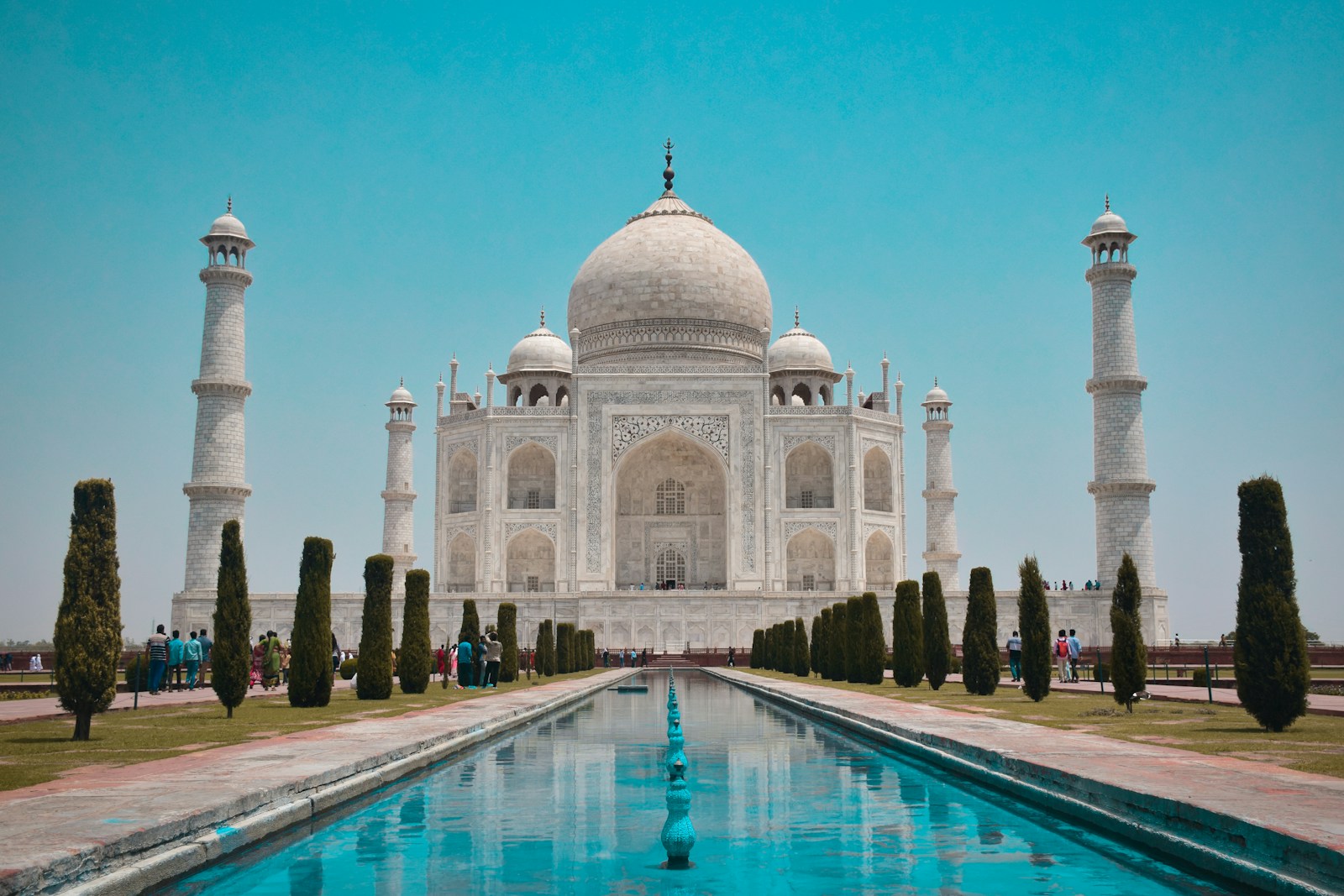
The entry fee for foreign tourists to the Taj Mahal is currently INR 1100 - 1200 (around $13 - 14 USD). This does not include the optional golf cart ride from the parking to the gate (INR 10 - 20) or a guide (INR 500 - 1500 depending on negotiation).Is food expensive in India?
No, local food is incredibly cheap. You can eat a filling, delicious meal from a street vendor for as little as INR 50 - 150 ($0.60-$1.80 USD). A meal in a mid - range local restaurant typically costs INR 200 - 400 ($2.40-$4.80 USD).How much should I budget for a private driver in India?
For a full day (8 - 10 hours) city tour or inter - city transfer, a private car with a driver can cost INR 2500 - 4000 ($30 - 48 USD) for a sedan, and INR 4000 - 6000 ($48 - 72 USD) for an SUV, excluding tolls and parking. Prices increase for multi - day trips and longer distances.Are internal flights in India expensive?
Compared to train travel, yes. A short internal flight (e.g., Delhi - Jaipur) can cost INR 2500 - 5000 ($30 - 60 USD) one - way with airlines like IndiGo or Vistara. Longer routes (e.g., Delhi - Goa) can be INR 4000 - 8000 ($48 - 96 USD) one - way, especially if booked closer to the travel date.What's the best way to get around cities in India?
For convenience and transparent pricing, use ride - hailing apps like Ola or Uber in major cities; fares for a 5km ride are typically INR 150 - 250 ($1.80-$3 USD). For shorter distances, auto - rickshaws are cheaper (negotiate for INR 50 - 100 for a short ride) but require bargaining.How much does a good hostel cost in India?
A bed in a highly - rated hostel dorm in a major city like Delhi, Jaipur, or Varanasi typically costs INR 500 - 1000 ($6 - 12 USD) per night. Private rooms in hostels can range from INR 1200 - 2500 ($14 - 30 USD).Should I buy a SIM card in India?
Absolutely. An Indian SIM card (Airtel or Jio) costs around INR 100 - 200 ($1.20-$2.40 USD) for the SIM itself, plus a data plan starting from INR 300 ($3.60 USD) for 1.5GB/day for 28 days. It's essential for navigation, booking transport, and staying connected.How much should I tip in India?
Tipping isn't strictly mandatory but is customary for good service. For restaurant meals, 5 - 10% is appropriate. For hotel staff, INR 50 - 100 per service. For drivers on a full - day hire, INR 200 - 500 is common. For luggage porters, INR 50 - 100 per bag.


