
Itinerary
12 Days in Peru: Lima, Cusco & Machu Picchu
Acclimatisation done right, Sacred Valley, and the Machu Picchu ticket sequence.
Overview
This 12-day Peru itinerary is built for travelers who crave both deep historical immersion and serious hiking challenges. Unlike rushed tours, we build in crucial acclimatization days in Cusco and a proper buffer before hitting the Inca Trail, ensuring you actually enjoy the high-altitude treks. We prioritize authentic experiences and local transport over sterile tourist bubbles, but this means you'll need to be comfortable with early starts and varied conditions.
Who it's for
This itinerary is perfect for active couples or solo adventurers who are reasonably fit and have a keen interest in pre-Columbian history and challenging hikes. It suits travelers who appreciate authentic local interactions and aren't afraid of early mornings or basic accommodations in rural areas. Skip this if you prefer luxury resorts, dislike high altitudes, or are unwilling to trek for multiple days.
Best time to go
The absolute best time to visit Peru for this specific history and hiking itinerary is during the dry season, from May to October. Expect clear skies and fewer rain disruptions, especially crucial for the Inca Trail and other Andean hikes. Shoulder seasons (April, November) can offer fewer crowds and slightly lower prices, but with an increased chance of rain. Avoid January to March due to heavy rains, which often close parts of the Inca Trail.
Budget
| Style | Per day | What it buys |
|---|---|---|
| Budget | US$70-95/day | Hostel dorms, street food/local markets, combis (shared vans), and basic train class to Machu Picchu. Expect a tighter budget with less flexibility. |
| Mid-range | US$150-220/day | 3-star hotels/guesthouses, a mix of local eateries and sit-down restaurants, some private transfers/taxis, and Expedition train class. A comfortable balance. |
| Comfort | US$300-450+/day | Boutique hotels, higher-end restaurants, private transfers, and Vistadome or Hiram Bingham train classes. More luxury, less logistical stress. |
What to pack
- Layered clothing (temperatures vary wildly from coast to mountains)
- Sturdy hiking boots (broken-in, waterproof for Inca Trail)
- Rain gear (jacket and pants, even in dry season)
- Altitude sickness medication (Diamox, prescribed by your doctor)
- Water purification tablets or a Steripen (essential for treks)
- Headlamp with extra batteries (for early morning treks and hostels)
- Sun protection (hat, sunglasses, high-SPF sunscreen – UV is intense at altitude)
- A small, quick-drying towel (hostels and treks)
Day 1: Lima: Arrival & Coastal Charm
Base: Lima
Morning. Arrive at Jorge Chávez International Airport (LIM), clear customs, and take a pre-booked taxi (Green Taxi or Taxi Directo are reliable) to Miraflores. Check into your hotel and take it easy; jet lag is real. Aim for a late morning arrival to allow for smooth transitions.
Afternoon. Stroll along the Malecón in Miraflores, enjoying the cliffside parks and ocean views. Grab lunch at a cevichería in the neighborhood, trying a classic 'leche de tigre'. Visit Parque del Amor, then walk down to Larcomar for a coffee with a view.
Evening. Explore Barranco, Lima's bohemian district. Dinner in Barranco; focus on a Pisco Sour tasting at a local bar like Ayahuasca Restobar. This neighborhood offers vibrant street art and a lively evening atmosphere.
🛏 Sleep: Miraflores – excellent for first-timers, safe, walkable, and packed with dining options.
🚆 Transport: Airport taxi to Miraflores (approx. 1 hour, S/50-70).
💡 Tip: Always pre-book your airport taxi or use official stands inside the airport. Do not take unofficial taxis from outside the terminal.
Day 2: Lima: Historical Core & Gastronomy
Base: Lima
Morning. Start early with a guided walking tour of Lima's Historic Centre (a UNESCO World Heritage site). Focus on Plaza Mayor, the Cathedral, and the Monastery of San Francisco with its catacombs. Go right at opening to avoid the worst crowds.
Afternoon. Lunch in the Historic Centre – try 'lomo saltado' at a traditional 'huarique'. Afterwards, visit the Museo de Arte de Lima (MALI) to understand Peru's artistic heritage, or the Museo Larco in Pueblo Libre for pre-Columbian artifacts (a longer taxi ride, but worth it).
Evening. Dinner in San Isidro or Miraflores. Consider a higher-end restaurant to experience Lima's acclaimed culinary scene. Central, Maido, and Astrid y Gastón often require reservations weeks in advance.
🛏 Sleep: Miraflores – consistent base for exploring Lima.
🚆 Transport: Walking and local taxis/ride-shares (e.g., Uber, Cabify) within Lima.
💡 Tip: If visiting the San Francisco catacombs, be aware that it can be a bit claustrophobic and contains actual human remains.
Day 3: Cusco: Acclimatization & San Pedro Market
Base: Cusco
Morning. Fly from Lima to Cusco (approx. 1.5 hours). Take a pre-booked taxi from Cusco airport to your hotel in the historic center. Spend the morning slowly acclimatizing to the 3,400m (11,150ft) altitude. Drink coca tea, avoid strenuous activity, and eat light. Seriously, take it easy.
Afternoon. Gentle exploration of the San Pedro Market. It's a vibrant, authentic market where you can see local produce, textiles, and even try some local snacks. Avoid overexertion. Later, a very slow stroll around Plaza de Armas.
Evening. Dinner in the historic center. Choose a restaurant near your hotel. Opt for a light, easily digestible meal. Many restaurants around Plaza de Armas offer tourist menus. Prioritize rest.
🛏 Sleep: Cusco Historic Center – central, easy access to everything, and good for acclimatization.
🚆 Transport: Flight from Lima to Cusco (LATAM or Sky Airline, book in advance, ~US$50-100). Taxi from Cusco airport to hotel (approx. 20 mins, S/20-30).
💡 Tip: Do not attempt to hike or drink alcohol on your first day in Cusco. Altitude sickness can ruin your trip, and it's better to be safe than sorry.
Day 4: Cusco: Inca & Colonial History
Base: Cusco
Morning. Visit Qorikancha (Temple of the Sun) at opening. This site showcases a fascinating blend of Inca and colonial architecture. Afterwards, explore the Cusco Cathedral and its impressive colonial art collection in Plaza de Armas.
Afternoon. Explore the artistic San Blas neighborhood. Wander its narrow, cobbled streets, browse artisan workshops, and enjoy the panoramic views over Cusco. Have lunch at a cafe in San Blas, away from the main square's tourist traps.
Evening. Dinner in the historic center, perhaps trying a traditional 'rocoto relleno' (stuffed spicy pepper). Consider a low-key evening with a traditional music show near Plaza Regocijo, but don't stay out too late.
🛏 Sleep: Cusco Historic Center – continue enjoying the central location.
🚆 Transport: Walking day within Cusco.
💡 Tip: The Cusco Tourist Ticket (Boleto Turístico) covers Qorikancha, the Cathedral, and many Sacred Valley sites. Purchase it on your first full day to save money if you plan to visit multiple sites.
Day 5: Sacred Valley: Pisac & Ollantaytambo
Base: Ollantaytambo
Morning. Take a taxi or shared van (colectivo) from Cusco to Pisac. Arrive early to explore the Pisac Inca ruins high above the town before the tour buses arrive. Then, descend to browse the vibrant Pisac market, known for its textiles and ceramics.
Afternoon. Continue by colectivo or taxi to Ollantaytambo (approx. 1.5-2 hours from Pisac). Have lunch in Ollantaytambo town, then explore the impressive Ollantaytambo Fortress. This massive Inca site was a ceremonial center and a military stronghold.
Evening. Dinner in Ollantaytambo. The town has a relaxed, ancient feel. Enjoy a simple meal at a local 'picantería'. The pace is slower here, perfect before tomorrow's trek.
🛏 Sleep: Ollantaytambo – crucial for an early start to Machu Picchu or the Inca Trail, bypassing the need to travel from Cusco.
🚆 Transport: Colectivo/taxi from Cusco to Pisac (approx. 1 hour, S/5-10). Colectivo/taxi from Pisac to Ollantaytambo (approx. 1.5-2 hours, S/10-15).
💡 Tip: When taking colectivos, confirm the price with the driver before getting in. They typically leave when full, so be prepared for a short wait.
Day 6: Inca Trail: Day 1 (Ollantaytambo to Wayllabamba)
Base: Wayllabamba (campsite)
Morning. Early start (around 5:30 AM) from Ollantaytambo to Km 82 (Piscacucho), the official start of the Inca Trail. Meet your trekking group, porters, and guides. Begin the moderate 14 km trek, passing through various archaeological sites like Patallacta. The initial incline is gentle.
Afternoon. Enjoy a packed lunch provided by your trekking crew. Continue hiking towards the first campsite at Wayllabamba (approx. 3,000m/9,840ft). The scenery shifts from farmland to cloud forest. Pace yourself; tomorrow is the hardest day.
Evening. Arrive at Wayllabamba campsite. Settle into your tent. Enjoy a hearty dinner prepared by the trek cook. Your guide will provide a briefing for the next day. Stargazing opportunities are excellent if the sky is clear.
🛏 Sleep: Campsite at Wayllabamba (tent camping).
🚆 Transport: Private transport from Ollantaytambo to Km 82 (included with Inca Trail tour, approx. 30 mins). Trekking on foot.
💡 Tip: Hire your Inca Trail tour well in advance (6+ months) from a reputable operator. Permits are limited to 500 per day, including porters and guides.
Day 7: Inca Trail: Day 2 (Dead Woman's Pass)
Base: Chaquicocha (campsite)
Morning. The most challenging day: ascend to Warmiwañusqa (Dead Woman's Pass) at 4,215m (13,828ft). Start early (around 6 AM) to tackle the steep, 4-hour climb. The views from the pass are breathtaking and worth every step.
Afternoon. Descend from Dead Woman's Pass. This descent is also challenging, with steep steps. Enjoy lunch en route. Continue to the second campsite, typically at Pacaymayo or Chaquicocha, both offering stunning views.
Evening. Arrive at camp. Relax your tired muscles. Enjoy another hot meal. Your guide will share more about Inca history and astronomy. It's a demanding day, so early to bed.
🛏 Sleep: Campsite at Chaquicocha or Pacaymayo (tent camping).
🚆 Transport: Trekking on foot.
💡 Tip: Use trekking poles! They significantly reduce strain on your knees during both ascents and descents, especially on Day 2. Ensure they have rubber tips to protect the trail.
Day 8: Inca Trail: Day 3 (Ruins & Cloud Forest)
Base: Wiñaywayna (campsite)
Morning. A beautiful day with several archaeological sites. Ascend gently to the second pass, Runkurakay (3,950m/12,960ft), visiting the circular ruins. Descend to Sayacmarca, another impressive Inca site.
Afternoon. Trek through the cloud forest, often referred to as the 'Inca flat' section, with more gentle ups and downs. Visit Phuyupatamarca ('Town in the Clouds') with its intricate water channels. Continue to Wiñaywayna, one of the most beautiful sites on the trail, for lunch.
Evening. Spend the night at the Wiñaywayna campsite, just a short distance from Machu Picchu. This is usually the final night with your porters, so expect a farewell ceremony and tips for the crew.
🛏 Sleep: Campsite at Wiñaywayna (tent camping).
🚆 Transport: Trekking on foot.
💡 Tip: This is a great day for photography. Keep your camera accessible for the stunning ruins and cloud forest views, but protect it from potential rain or mist.
Day 9: Machu Picchu: Sunrise & Exploration
Base: Aguas Calientes
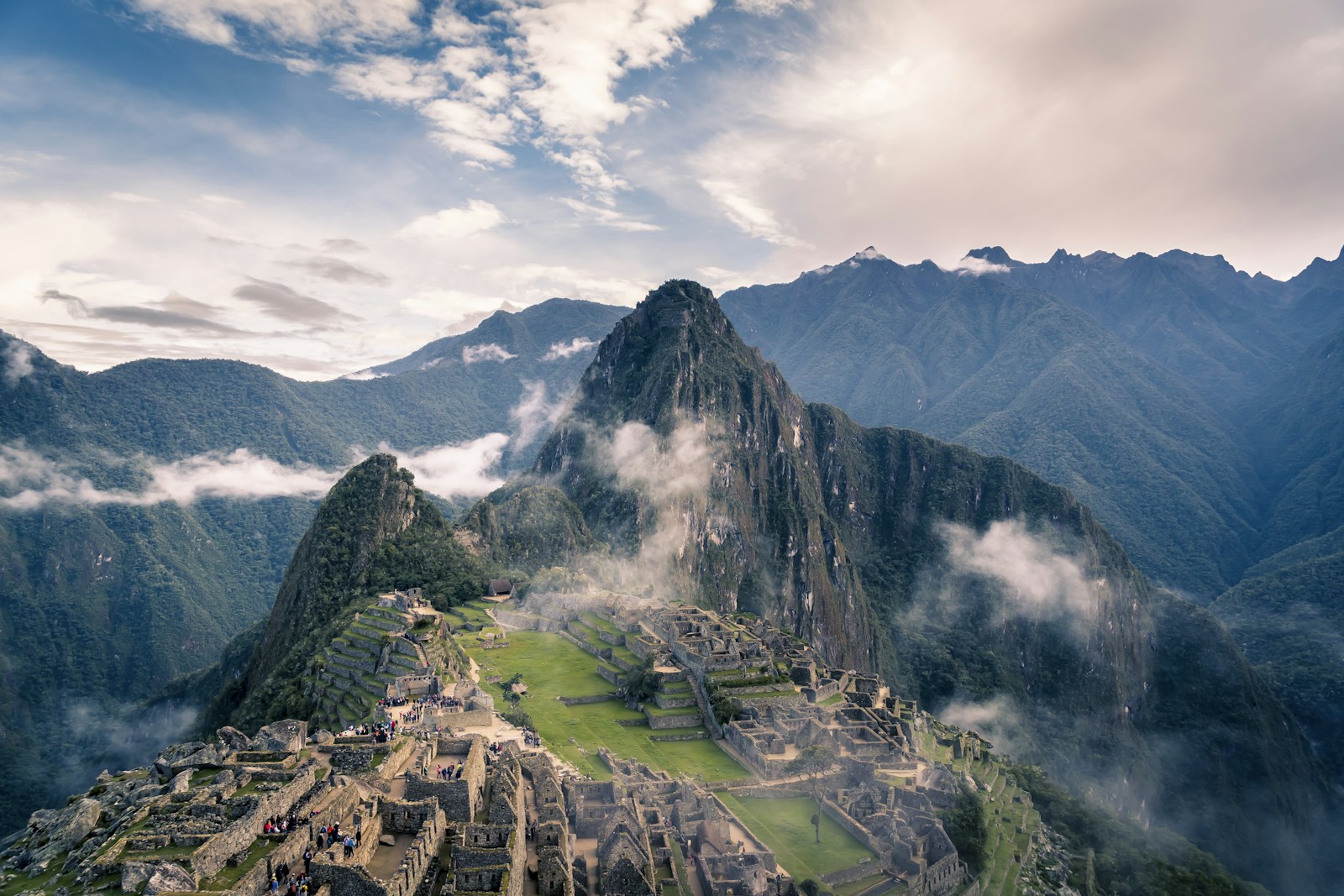
Morning. Wake up early (around 3:30-4 AM) for the final push to the Sun Gate (Inti Punku). Arrive at Inti Punku just as the sun rises over Machu Picchu (weather permitting). Descend into the citadel for your guided tour. This is when the site is least crowded.
Afternoon. After your main guided tour, you'll have some free time to explore Machu Picchu independently. If you booked in advance, hike Huayna Picchu or Machu Picchu Mountain (allow 2-3 hours). Afterwards, take the bus down to Aguas Calientes.
Evening. Check into your hotel in Aguas Calientes. Enjoy a much-deserved hot shower and a celebratory dinner at one of the town's restaurants. The town is touristy, but has good food options.
🛏 Sleep: Aguas Calientes – convenient for post-Machu Picchu relaxation.
🚆 Transport: Trekking on foot to Machu Picchu. Bus from Machu Picchu to Aguas Calientes (US$12 one way, buy tickets in Aguas Calientes).
💡 Tip: Book your Machu Picchu entry tickets and any mountain hikes (Huayna Picchu/Machu Picchu Mountain) months in advance, specifying the entry circuit and time slot. Check the official Peruvian government site.
Day 10: Aguas Calientes: Relaxation & Return to Cusco
Base: Cusco
Morning. Enjoy a relaxed morning in Aguas Calientes. You might visit the hot springs for a soak (they are quite basic) or simply enjoy a leisurely breakfast. Explore the artisanal market for souvenirs. No rush today.
Afternoon. Take the scenic train (Expedition or Vistadome) from Aguas Calientes to Ollantaytambo (approx. 1.5-2 hours). From Ollantaytambo, a pre-arranged taxi or shared van will take you back to Cusco (approx. 1.5 hours).
Evening. Dinner in Cusco. You'll likely be craving something substantial after the trek. Head to the San Blas neighborhood for a cozy, authentic meal. Celebrate completing the Inca Trail!
🛏 Sleep: Cusco Historic Center – back to your familiar base.
🚆 Transport: Train from Aguas Calientes to Ollantaytambo (PeruRail or Inca Rail, book in advance, ~US$60-100+). Taxi/van from Ollantaytambo to Cusco (approx. 1.5 hours, S/100-150 for a private taxi, less for shared).
💡 Tip: If you don't mind carrying your main luggage, you can store it at your Cusco hotel while trekking and pick it up upon your return. Only take a small daypack on the Inca Trail.
Day 11: Cusco: Rainbow Mountain (Optional) or Rest Day
Base: Cusco
Morning. OPTION 1 (Intense): Early 3 AM start for a full-day tour to Rainbow Mountain (Vinicunca). The drive is about 3 hours, followed by a strenuous 1.5-2 hour hike at high altitude (5,200m/17,060ft). You'll spend about an hour at the summit.
Afternoon. OPTION 1: Descend and drive back to Cusco, arriving late afternoon/early evening. OPTION 2 (Relaxed): If not doing Rainbow Mountain, spend the day exploring more of Cusco at your leisure. Visit the Inca Museum, shop for souvenirs, or enjoy a long lunch.
Evening. Dinner in Cusco. If you did Rainbow Mountain, you'll be tired and probably just want a quick, easy meal. If you had a rest day, explore a new restaurant or enjoy a final Pisco Sour.
🛏 Sleep: Cusco Historic Center – final night in the Inca capital.
🚆 Transport: Tour bus for Rainbow Mountain (approx. 6 hours total driving + 3-4 hours hiking). Otherwise, walking in Cusco.
💡 Tip: Rainbow Mountain is incredibly popular and crowded. If you do go, manage expectations regarding solitude and be prepared for the significant altitude. Consider a less-crowded alternative like Palcoyo.
Day 12: Cusco: Departure
Base: Depart
Morning. Depending on your flight schedule, enjoy a final Cusco breakfast. You might have time for last-minute souvenir shopping around Plaza de Armas or a quick visit to a museum you missed.
Afternoon. Take a pre-booked taxi from your hotel to Cusco airport (CUZ) for your domestic flight back to Lima. Ensure you arrive at least 2 hours before your flight. Connect to your international departure from Lima.
Evening. Depart Lima for your international flight home. Reflect on your incredible journey through Peru's history and landscapes.
🛏 Sleep: On plane.
🚆 Transport: Taxi from hotel to Cusco airport (approx. 20 mins, S/20-30). Flight from Cusco to Lima (LATAM or Sky Airline, book in advance, ~US$50-100). International flight from Lima.
💡 Tip: Keep some Peruvian Soles (S/) for airport transfers and any last-minute purchases. You can exchange leftover currency at the airport, but rates are generally worse.
Travel tips
- Always carry small denominations of Peruvian Soles (S/) for market purchases, small restaurants, and public transport. Many places, especially outside major cities, don't accept cards.
- When visiting markets like San Pedro, politely ask before taking photos of vendors or their stalls. A simple '¿Puedo sacar una foto?' goes a long way.
- Be wary of 'free' walking tours in Lima or Cusco. While some are legitimate, many operate on tips and can pressure you for excessive amounts or steer you to specific shops.
- For the Inca Trail, ensure your daypack is light. Porters carry your main luggage, so you only need essentials for the day's trek (water, snacks, rain gear, camera).
- Consider purchasing a local SIM card or an eSIM upon arrival in Lima. Claro or Movistar offer good coverage, even in parts of the Sacred Valley, which is invaluable for navigation or emergencies.
- While ATMs are available in major cities, carry some cash. Notify your bank of your travel dates to avoid card freezes. Check out our guide on Travel Money & Cards Abroad.
- If you're prone to motion sickness, take medication before bus rides, especially the winding road from Ollantaytambo to Cusco or the infamous ride to Rainbow Mountain.
- Always negotiate taxi fares before getting in, especially outside of Lima. For longer distances, agree on a price in Soles.
- Book your train tickets for the Cusco to Machu Picchu route well in advance, especially during peak season. Inca Rail and PeruRail are the main operators. Early morning trains sell out fast.
- Be aware that food poisoning can happen. Stick to bottled water, avoid unpeeled fruits, and choose busy restaurants with high turnover. Our guide on How to Avoid Getting Sick While Traveling has more tips.
FAQs
How much does the Inca Trail cost?
A 4 - day, 3 - night Inca Trail trek typically costs between US$600 - 1200 per person, depending on the operator and inclusions. This usually covers guides, porters, food, tents, and entry permits, but not tips for the crew.Do I need a visa for Peru?
Most tourists from North America, Western Europe, Australia, and New Zealand do not need a visa for stays up to 90 or 183 days. Always check the official Peruvian government immigration website or your country's foreign travel advice for the latest requirements before your trip.What is the best way to get to Machu Picchu?
The best way is by train from Ollantaytambo or Cusco to Aguas Calientes, followed by a bus up to the citadel. The 4 - day Inca Trail trek is another iconic option, ending directly at Machu Picchu. For full details, see our Cusco to Machu Picchu Route Guide.Is altitude sickness a serious concern?
Yes, altitude sickness (soroche) is a serious concern in Cusco and on the Inca Trail. Cusco is at 3,400m (11,150ft). Take it seriously: acclimatize slowly, stay hydrated, avoid alcohol and heavy meals initially, and consult your doctor about preventative medication like Diamox.How safe is Peru for tourists?
Peru is generally safe for tourists, especially in major tourist areas like Lima (Miraflores, Barranco) and Cusco. However, petty crime like pickpocketing is common. Avoid walking alone at night in poorly lit areas and be aware of your surroundings, just like in any major city globally. For general safety advice, refer to our Solo Female Travel Safety guide.What currency is used in Peru and should I bring cash?
The official currency is the Peruvian Sol (S/). While credit cards are accepted in many hotels and larger restaurants, especially in Lima and Cusco, you will need cash for markets, smaller eateries, taxis, and tips. We recommend carrying a mix of cash and cards, and using ATMs in secure locations. For more on managing your money abroad, read our guide on Travel Money & Cards Abroad.Can I do the Inca Trail without a tour guide?
No, it is strictly prohibited to hike the Classic Inca Trail (4 - day route) independently. You must go with an authorized tour operator, accompanied by a licensed guide and porters. This is to protect the trail and manage visitor numbers.What's the food like in Peru?
Peruvian cuisine is world - renowned and incredibly diverse. Expect fresh ceviche on the coast, hearty Andean stews (like 'lomo saltado' or 'aji de gallina') in the mountains, and unique superfoods. Don't miss trying 'pisco sour', the national drink. Be adventurous, but prioritize safe eating practices.


