
Best Time to Visit
Best Time to Visit India (2026 Month-by-Month Guide)
Monsoon timing north vs south, Rajasthan cool season, and the weeks when Ladakh, Kerala and Goa are all viable.
Overview
The best time to visit India is definitively from late October to early March. This window offers pleasant, dry weather across most of the country, from the cool desert nights of Rajasthan to the warm, sunny beaches of Goa and Kerala, perfectly sidestepping the intense pre-monsoon heat and the deluge of the summer monsoon. While December and January see peak crowds and prices, the comfortable temperatures and vibrant festival calendar make it a sought-after period for good reason. For savvy travelers, November and February offer a sweet spot, balancing excellent weather with slightly fewer people.
Climate at a glance
India's climate is primarily dominated by the monsoon, a seasonal wind system that dictates wet and dry periods. From June to September, the Southwest Monsoon brings heavy rainfall to most of the country, particularly the west coast and northeast, driven by moisture-laden winds from the Arabian Sea and Bay of Bengal. The post-monsoon period from October to March is typically dry and cooler, especially in northern India where temperatures can drop significantly due to continental air masses. Southern India remains warm year-round, with the Eastern Coastal Plains experiencing a secondary, shorter Northeast Monsoon from October to December. Altitude plays a crucial role in the Himalayas, where winters are harsh and summers are mild, while the Thar Desert experiences extreme temperature swings.
Best windows
- Post-Monsoon Perfection — Late October to early December. The monsoon rains have receded, leaving behind lush landscapes and clear skies. Temperatures are warm and comfortable across most regions, from Delhi's 28°C highs to Kerala's 30°C. Humidity drops significantly, and major festivals like Diwali often fall within this period, adding to the cultural vibrancy.
- Winter Sun & Culture — Mid-December to late February. This is prime tourist season for a reason: consistently dry, sunny weather. Northern India experiences pleasantly cool days (Delhi averages 23°C/9°C) perfect for sightseeing, while southern beaches are idyllic (Goa 31°C/20°C). Ideal for exploring Rajasthan's forts, cruising Kerala's backwaters, or relaxing on Goan beaches.
- Spring Renewal in the North — Late February to mid-March. A narrow window that still offers good weather across many regions before the intense pre-monsoon heat sets in. Temperatures begin to climb, but days are still largely pleasant and dry (Delhi 28°C/14°C). The crowds from peak winter have thinned, offering a more relaxed experience, especially in the north.
Shoulder sweet spots
- Monsoon Fringe Benefits — Mid-September to mid-October. As the monsoon retreats, the landscape is incredibly green, and waterfalls are at their fullest. While occasional showers can still occur, particularly in the south, this period offers fewer crowds and lower prices, especially in Rajasthan and the Himayalas. North India sees temperatures around 32°C/20°C.
- Pre-Monsoon Calm — Early March to mid-April. Temperatures begin to rise significantly, especially in central and southern India, making it hot for extensive touring. However, it's a good time for Himalayan trekking before the main monsoon, or for specific festivals like Holi. Crowds are thinner and prices start to drop, with Delhi hitting 35°C/20°C.
- Himalayan Summer Escape — Late April to early June. While the plains sizzle, the Himalayan regions like Ladakh, Himachal Pradesh, and Uttarakhand offer a cool escape (Leh 20°C/5°C). This is the prime trekking season in the mountains, with lush valleys and clear views before the monsoon clouds gather, though access roads can still be challenging early on.
When to avoid
- Monsoon Deluge — June to August. The Southwest Monsoon brings torrential rains and high humidity to most of India. While some regions, like Ladakh, are rain-shadowed and excellent, many popular tourist areas experience significant disruption, including flooded roads, limited activities, and increased risk of disease. Goa averages 900mm of rain in July, with daily heavy showers.
- Pre-Monsoon Scorcher — Mid-April to early June. Temperatures across the plains and central India soar, often exceeding 40°C, with high humidity. Outdoor activities become exhausting and potentially dangerous, and many domestic tourists head to hill stations. Delhi regularly hits 42°C in May, making sightseeing unbearable.
- Post-Monsoon Cyclones — Late September to November (Bay of Bengal). While generally a good period, the Bay of Bengal coast (Odisha, Andhra Pradesh, Tamil Nadu) is susceptible to cyclones as the monsoon withdraws. These can bring heavy rains, strong winds, and coastal disruption, impacting travel plans in localized areas.
Month by month
| Month | Weather | Crowds | Prices | Notes |
|---|---|---|---|---|
| Jan | Cool, dry, sunny: Delhi 21°C/7°C, Chennai 29°C/21°C. North India can see fog; South is warm. Rain minimal. | Peak — especially Rajasthan, Goa, Kerala. School holidays in effect. | High — flights, hotels book out months ahead. New Year surcharges. | Jaipur Literature Festival brings crowds; excellent time for wildlife safaris in Madhya Pradesh. |
| Feb | Pleasant, dry: Delhi 23°C/9°C, Mumbai 31°C/17°C. Ideal weather across most of the country. Rainfall very low. | High, but easing slightly after Jan peak. Still busy in popular circuits. | High, though some smaller discounts emerge late in the month. | Kumbh Mela (every 3 years) could draw millions; Maha Shivaratri (Hindu festival) observed nationwide. |
| Mar | Warm, increasingly hot: Delhi 29°C/14°C, Kolkata 35°C/22°C. South is very hot. Dry nationwide. Humidity rises. | Medium — winter crowds dissipate, but large groups for festivals. Holi festival creates local spikes. | Mid — a good compromise for budget travelers before peak summer. | Holi (festival of colors) can cause travel disruptions; excellent for exploring cooler Himalayan foothills. |
| Apr | Very hot, dry: Delhi 36°C/20°C, Hyderabad 39°C/25°C. Uncomfortable in central plains. Hill stations become popular. Rainfall still low. | Medium — domestic tourism to hill stations or coastal areas. Fewer international visitors. | Mid — flights and major hotels adjust for season. Local price variation. | Vishu (Kerala New Year) in mid-April; Ladakh access roads begin to open by end of month. |
| May | Scorching, pre-monsoon: Delhi 40°C/26°C, Chennai 39°C/29°C. Extreme heat and rising humidity nationwide. Dust storms in north. Rainfall minimal but storm risk rises. | Low international, High domestic (hill stations). Many businesses close afternoons in hotter regions. | Low — best deals on flights and hotels on the plains. Hill stations stay mid-high. | Himalayan trekking season in full swing; peak time for wildlife viewing at waterholes in dry national parks. |
| Jun | Monsoon arrives: Mumbai 32°C/26°C, avg 500mm rain. Delhi 38°C/28°C with pre-monsoon storms. Heavy rains in west/north-east. High humidity. | Low — fewest international tourists. Trekking in Ladakh and Spiti is ideal due to rain-shadow. | Low — bottom of the pricing curve. Best for budget trips outside main tourist areas. | Rath Yatra (Puri, Odisha) is a major religious procession; heavy rains can cause travel delays and localized flooding. |
| Jul | Peak monsoon: Goa 29°C/25°C, avg 900mm rain. Extensive rainfall across most of India. High humidity. Northern plains see some relief from extreme heat but still warm. | Low — very few foreign tourists. Best for specialized visits to rain-shadow regions or specific festivals. | Low — best time for deepest discounts on accommodation and tours outside rain-shadow areas. | Hemis Festival (Ladakh) is a major Buddhist festival; Valley of Flowers National Park (Uttarakhand) is lush and open. |
| Aug | Monsoon continues: Kerala 28°C/24°C, avg 400mm rain. Delhi 34°C/27°C, less intense rains. Still very wet and humid. Occasional breaks in rain. | Low, beginning to pick up slightly by month-end as monsoon weakens. Domestic travel for festivals. | Low, but rising slightly towards end of month. Good deals still available. | Onam (Kerala's harvest festival) features elaborate boat races and feasts; Independence Day (Aug 15th) leads to some closures. |
| Sep | Monsoon retreat: Mumbai 31°C/24°C, avg 250mm rain. Delhi 33°C/24°C, reduced humidity. Landscapes are green. Occasional late showers, especially south. | Medium-Low — good time to visit before peak season. Landscapes are refreshed. Prices beginning to climb. | Mid-Low — transition month. Value can be found, especially early in the month. | Ganesh Chaturthi (Mumbai) is a vibrant celebration; trekking season in higher Himalayas reopens now. |
| Oct | Post-monsoon, pleasant: Delhi 32°C/19°C, Goa 31°C/23°C. Clear skies and dropping humidity. Occasional cyclones possible on Bay of Bengal coast. Minimal rainfall. | Medium — tourist season effectively begins. Popular destinations become busy, especially late Oct. | Mid — rising quickly. Book flights and hotels well in advance for late October/November. | Diwali (the festival of lights) often falls in late Oct/early Nov, causing closures and price spikes. Ranthambore wildlife sightings improve. |
| Nov | Cool, dry, ideal: Delhi 28°C/13°C, Kerala 30°C/23°C. Perfect weather for most of India, low humidity. Consistently sunny. Barely any rainfall. | High — peak season well underway. Especially busy in Rajasthan, Goa, Kerala. | High — peak season rates across the board. Advance booking essential. | Pushkar Camel Fair (Rajasthan) is a unique cultural event; excellent time for beach holidays in Goa and Kerala. |
| Dec | Cool, dry: Delhi 23°C/8°C (can be foggy), Goa 31°C/20°C. North India experiences cool nights, pleasant days. South is warm. Low humidity. Minimal rain. | Peak — especially around Christmas and New Year. Flights and hotels are at maximum capacity/price. | Peak — highest prices of the year. Expect surcharges and mandatory festive dinners. | Christmas and New Year celebrations particularly vibrant in Goa and Kerala; wildlife viewing is excellent as foliage thins. |
Festivals & events to plan around
- Diwali (late Oct–early Nov) — India's largest festival of lights, leading to widespread celebrations, shop closures, and increased domestic travel and hotel prices.
- Holi (March) — The vibrant 'festival of colors' across north India, can cause travel disruptions and limited services for 2-3 days; book travel around this carefully.
- Pushkar Camel Fair (late Oct–Nov) — A unique, massive livestock and cultural fair in Rajasthan drawing huge crowds and requiring very early accommodation bookings.
- Kumbh Mela (every 3 years, Jan-Mar) — A monumental Hindu pilgrimage occurring at different locations, drawing tens of millions, creating logistical challenges in the host city.
- Onam (Aug–Sep) — Kerala's harvest festival featuring elaborate snake boat races and feasts, a unique cultural experience but requires planning around local specific events.
- Rath Yatra (June/July) — The Chariot Festival in Puri, Odisha, attracts millions of devotees, causing significant crowding and transport issues in the region.
- Hemis Festival (July) — A major Buddhist festival in Ladakh, offering colorful masked dances and cultural immersion; ideal for monsoon season travel to the Himalayas.
- Jaipur Literature Festival (Jan) — An internationally renowned literary event that draws crowds to Jaipur, impacting hotel availability and prices in the city.
What to pack (by season)
- January (North India): A substantial down jacket for Delhi's chilly mornings and evenings, plus thermal layers. South India: Light layers. Always: comfortable walking shoes.
- March (North/Central): Light cotton clothing for warm days, a light jacket for cooler evenings. Sunscreen and a wide-brimmed hat become essential. Sturdy sandals for Holi.
- May (Nationwide): Very light, breathable cotton clothing. Wide-brimmed hat, high-SPF sunscreen, and sunglasses are non-negotiable. Rehydration salts are a good idea.
- July (Monsoon regions): Lightweight, quick-drying clothing (synthetics preferable to cotton). Waterproof rain jacket (not just an umbrella), waterproof backpack cover, insect repellent. Waterproof sandals.
- September (Transition): Light layers for varying temperatures. A light rain jacket or umbrella still useful for occasional showers. Breathable footwear.
- November (Nationwide): Long-sleeved shirts and light trousers for sun protection during the day. A light sweater or fleece for evenings, especially in North India. Reef-safe sunscreen for coastal areas.
Timing tips
- Himalayan Road Access: Roads to high-altitude areas like Ladakh (Manali-Leh highway) are typically only open from late May/early June to mid-October. Plan mountain trips accordingly.
- Train Bookings: Indian Railways tickets, especially for popular routes and sleeper classes, can sell out 60-90 days in advance, particularly during peak season (Dec-Feb) and festivals. Use IRCTC's foreign tourist quota if available.
- Festival Price Spikes: During major festivals like Diwali and Christmas/New Year, expect hotel prices in popular destinations to increase by 50-100%, and flights by 30-50%. Book 4-6 months out.
- Southern Monsoon: While the main monsoon hits June-Sept, parts of the east coast (Tamil Nadu, Andhra Pradesh) experience a secondary 'Northeast Monsoon' from October to December. Don't assume all of India is dry.
- Wildlife Safaris: National parks like Ranthambore and Bandhavgarh close during the core monsoon months (July-September). The best viewing is generally Oct-Apr, with March-May offering higher chances due to animals congregating at waterholes.
- Domestic Flight Deals: For significant savings, book domestic flights at least 2-3 months in advance. Prices typically surge within 6 weeks of departure, especially during festival periods.
- Desert Extremes: Rajasthan's deserts experience extreme temperature swings; expect 30°C days and 5°C nights in December/January. Pack layers, not just light clothing. Avoid May and June.
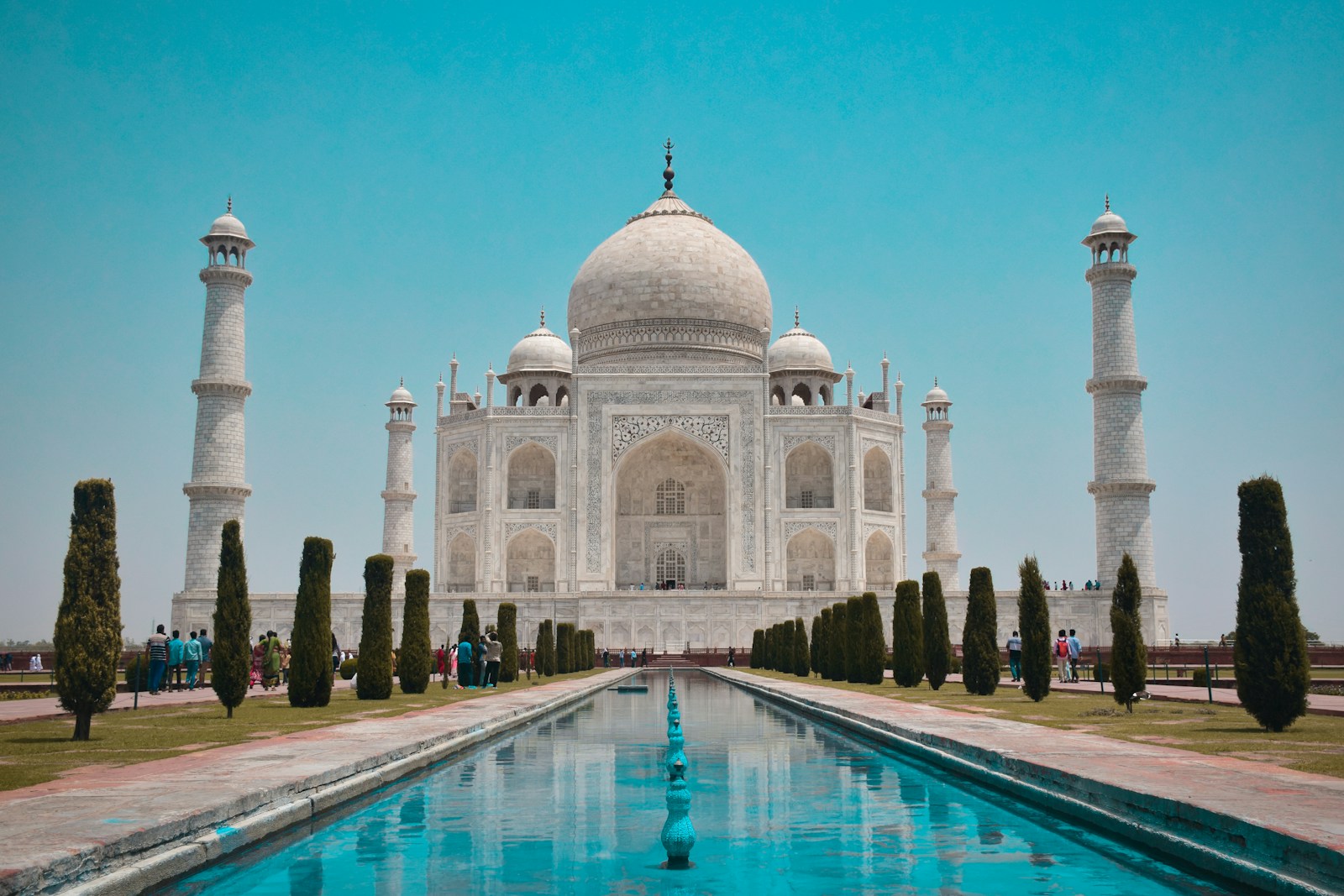
- Early Morning Starts: To beat the heat and crowds, especially at popular historical sites in North India (e.g., Taj Mahal, Jaipur forts), aim to start sightseeing right at opening time (e.g., 6:00 AM).
- Malaria Risk: Mosquito activity peaks during and immediately after the monsoon (July-October). Take precautions, especially in rural areas, during these months.
- Regional Holidays: Keep an eye on regional public holidays beyond national ones; they can lead to localized business closures and transport congestion.
FAQs
What is the absolute best month for good weather across most of India?
November is arguably the absolute best month, offering consistently pleasant, dry weather across most of India, with average temperatures in Delhi around 28°C/13°C and even warmer in the south. Humidity is low, and the monsoon has fully retreated.When is India cheapest to visit?
July and August are consistently the cheapest months due to the intense monsoon season, with hotel prices often dropping by 30 - 50% in major tourist areas. Expect daily heavy rainfall in many regions, however.When should I avoid Rajasthan?
Avoid Rajasthan from late April to early July when temperatures regularly exceed 40°C, making daytime exploration unbearable and potentially unsafe. December to February offers ideal 25°C days.Is it safe to visit India during monsoon season?
Visiting during monsoon (June - August) carries higher risks of travel disruptions (flooding, landslides), increased humidity, and mosquito - borne diseases. However, rain - shadow regions like Ladakh are at their best, averaging only 30mm rain in July.When can I see snow in India?
You can typically see snow in the Himalayan regions (e.g., Himachal Pradesh, Uttarakhand, Sikkim) from late November to March, with peak snowfall in January and February. High passes can be closed during this period.What's the best time for a beach holiday in Goa or Kerala?
Late October to early March is ideal for beach holidays in Goa and Kerala, with warm temperatures (Goa 31°C/20°C in December), clear skies, and calm seas. Avoid the monsoon from June to September.When are the crowds thinnest in India?
Crowds are thinnest during the core monsoon months of July and August, and also during the extreme pre - monsoon heat of May, especially in central and northern plains. Expect very high temperatures (40°C+) in May.How far in advance should I book for peak season (Dec-Jan)?
For peak season travel (December - January), especially over Christmas and New Year, you should book flights and popular accommodation at least 4 - 6 months in advance. Train tickets can require 3 months notice.When are India's national parks open for safaris?
Most national parks (e.g., Ranthambore, Bandhavgarh) are open from October to June. They typically close during the monsoon season (July - September), with specific dates varying by park. The 'buffer zones' may remain open. Peak viewing is March - May.


